When startled beachgoers along the sun-drenched coast of Southern California first spotted a sea turtle emerging from the surf earlier this year, their immediate instinct was to call for emergency wildlife assistance. Bathers and coastal walkers assumed the marine animal was in distress, injured, or disoriented, having somehow strayed far outside its normal geographic range. However, wildlife authorities arriving at the scene quickly realized that the animal was neither hurt nor lost. Instead, they were witnessing a nesting mother—marking the northernmost documentation of sea turtle nesting in recorded history.
Now, those historic nests have reached a remarkable milestone. For the first time ever, olive ridley sea turtles have successfully hatched in California. This unprecedented event represents a monumental first not only for the Golden State, but for the entire United States West Coast. While sea turtles are regular visitors to the broader Pacific Ocean, they overwhelmingly prefer the warm, predictable climates of tropical and subtropical beaches for their complex reproductive cycles. The successful incubation and birth of these hatchlings on temperate California shores have captured the attention of marine biologists, conservationists, and wildlife experts worldwide.
The extraordinary chain of events began back in September, when an olive ridley sea turtle was first documented digging a nest and laying eggs on a beach near Saal Beach in Orange County, California. Just a few days later, in a stunning confirmation that the initial sighting was not merely a bizarre isolated incident, a second sea turtle was spotted nesting near the Huntington Beach Pier, situated just a few miles south of the first location.
Expert analysis of photographs taken of these nesting mothers by wildlife specialists and researchers revealed a critical detail: the nests belonged to at least two distinct turtles. This distinction is vital to understanding the scale of the occurrence. Olive ridley sea turtles typically lay between one and three clutches of eggs each year during their breeding season, with each clutch averaging roughly 100 eggs. The photographic evidence and geographical spacing confirmed that multiple mothers had chosen the southern California coastline to deposit their precious cargo.
Initially, conservation measures were put into immediate effect. Local wildlife authorities roped off the natural nesting sites directly on the California beaches, creating secure perimeters to protect the fragile eggs from curious onlookers, beachgoers, and potential human disruption. However, nature soon intervened in a dramatic fashion. A powerful tropical storm churned toward the Southern California coast, threatening to flood and destroy the coastal nests with surging tides and heavy rainfall.
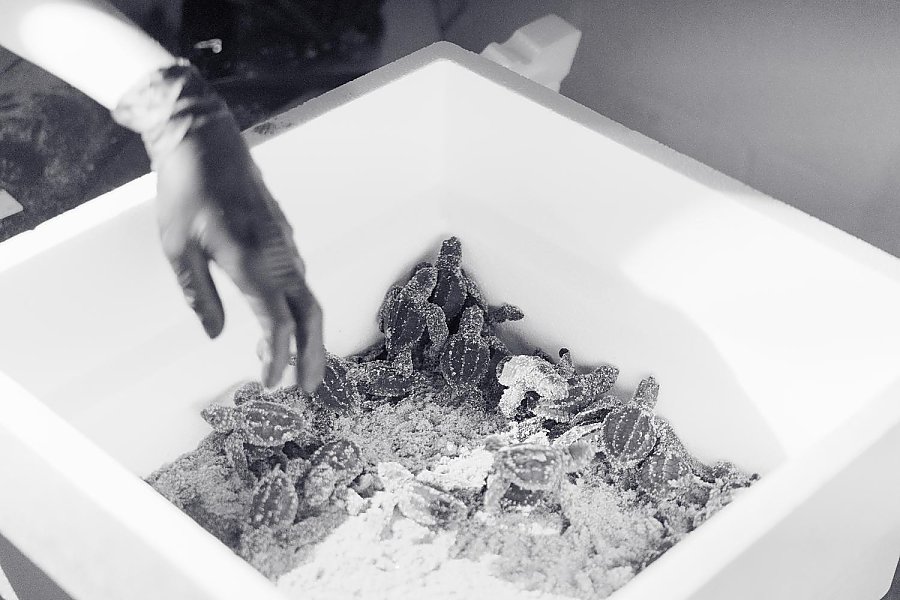
Faced with an imminent environmental hazard, marine experts made the difficult decision to intervene. The fragile eggs were carefully exhumed from their sandy coastal berths and transferred to the specialized facilities of the Aquarium of the Pacific. There, the eggs were placed inside tightly controlled incubators, where marine biologists continuously monitored temperature, humidity, and overall development until the incubation period reached its completion. According to the U.S. Fish and Wildlife Service, a third nest discovered roughly 100 miles further north unfortunately suffered a different fate, having been completely destroyed by high tides and severe coastal erosion before intervention could take place.
Despite the hurdles posed by the weather, the conservation efforts ultimately bore fruit. Rescuers had successfully gathered a total of 204 eggs from the two primary California nests. Following weeks of careful incubation and monitoring, the first major breakthrough occurred in mid-November. On November 14 and again on November 15, hatchlings originating from the natural nesting process were prepared for their journey back to the wild. Out of the total collected eggs, 94 successfully hatched, setting the stage for their historic return to the Pacific Ocean in two separate, carefully managed release operations near the original nesting sites.
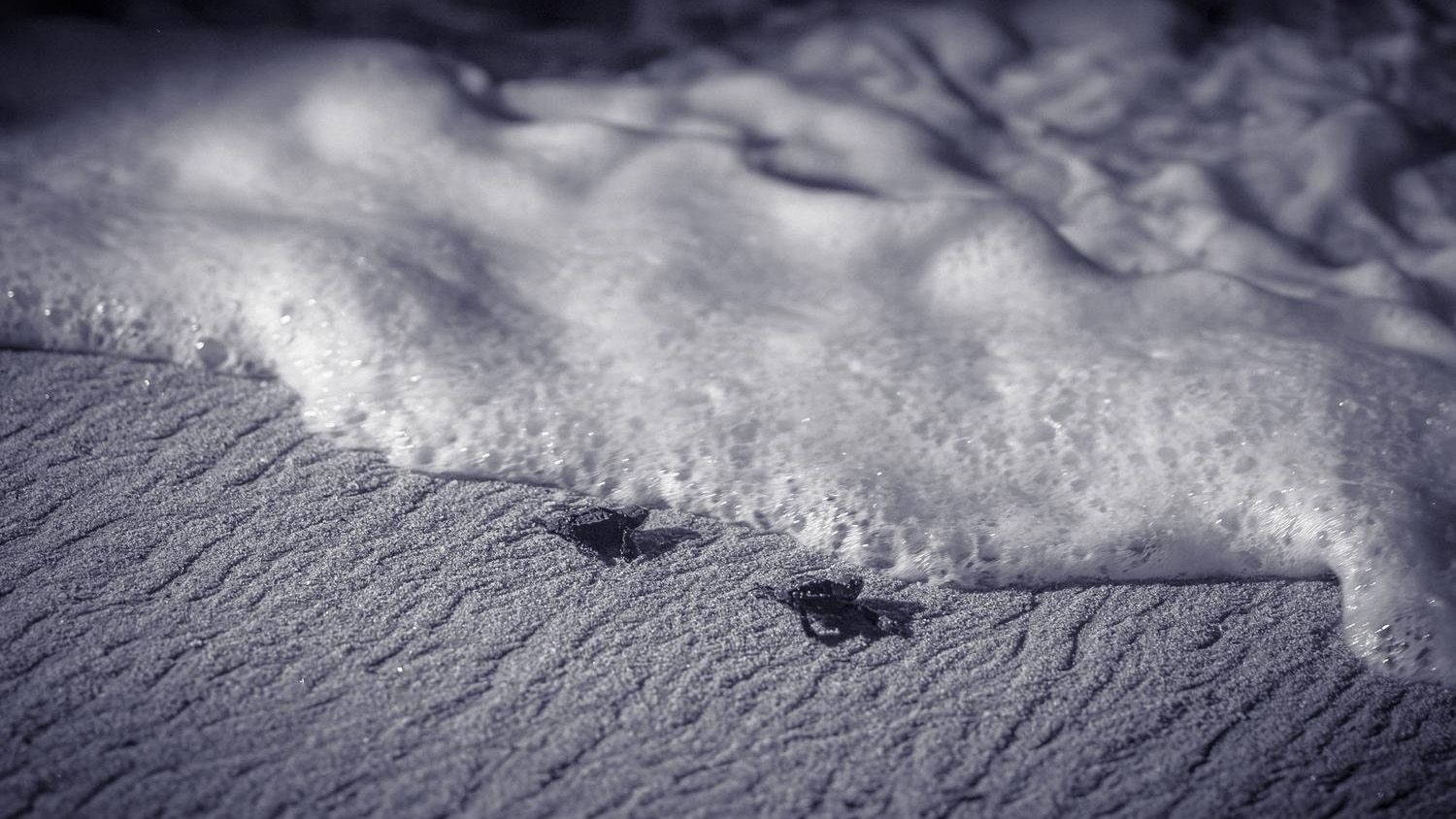
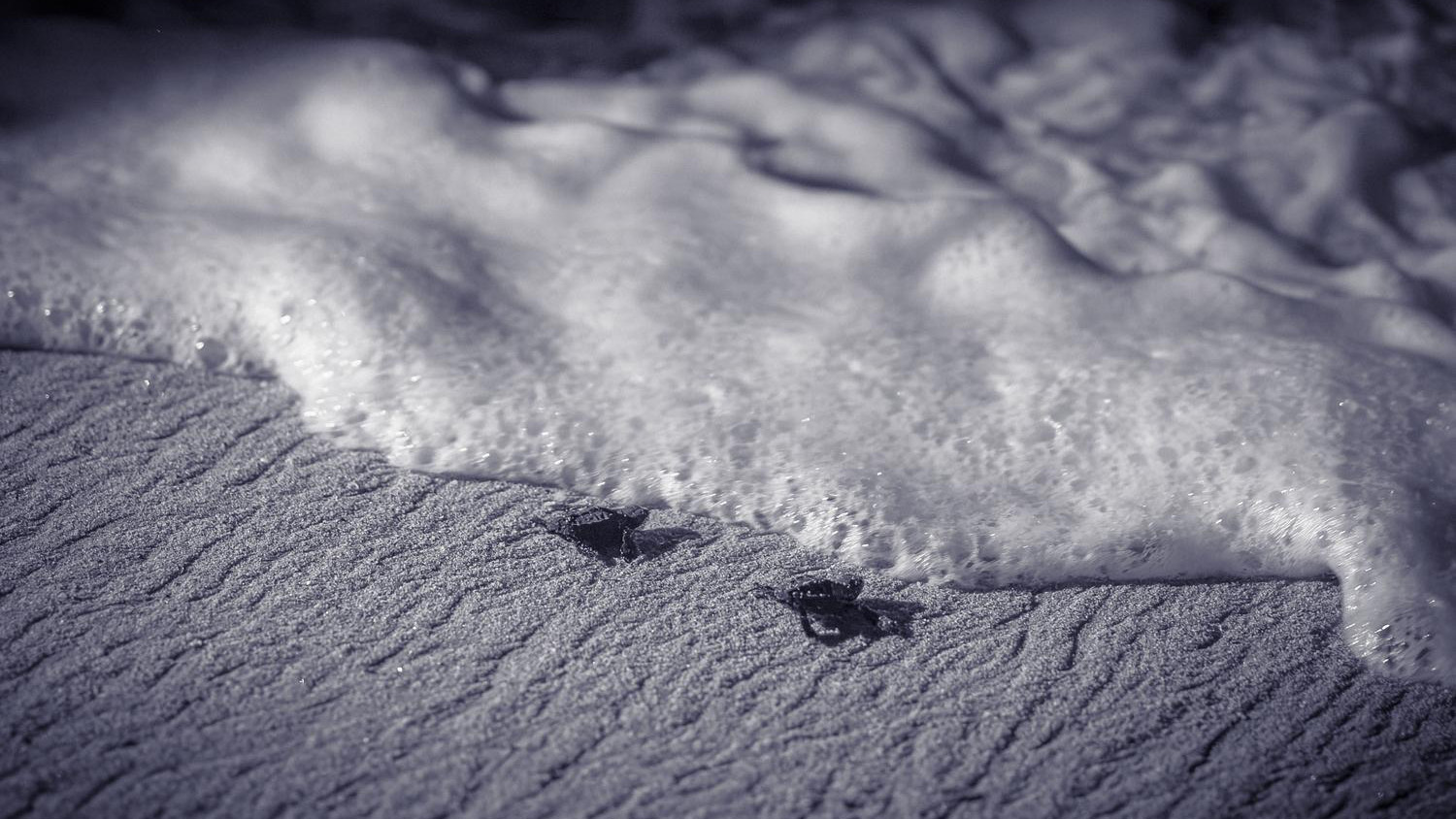
The Aquarium of the Pacific documented the releases, sharing photographs and video footage that captured the tiny hatchlings making their tentative first steps toward the surf. Notably, the release imagery was recorded entirely in black-and-white using specialized infrared light. There was a strict scientific protocol behind this artistic choice. Sea turtle hatchlings possess an innate, powerful biological instinct to crawl toward the brightest horizon, which under natural conditions is the luminous reflection of the moon and stars over the ocean water.
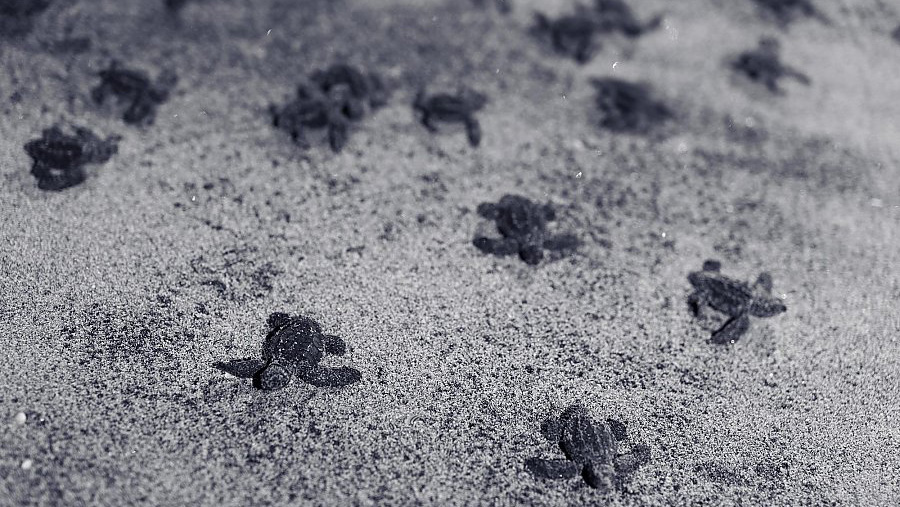
However, this vital survival instinct can easily be compromised by modern civilization. Artificial light pollution from coastal boardwalks, streetlights, and flash photography can severely disorient hatchlings, causing them to crawl inland toward danger rather than toward the safety of the sea. To prevent any confusion or distress, wildlife rescuers relied exclusively on infrared lighting to guide the tiny turtles safely across the sand.
Representatives from the Aquarium of the Pacific emphasized that professional photographers and media personnel maintained a strict, safe distance throughout the entirety of the release process. Wildlife officials used the occasion to issue a broader public reminder that sea turtles are heavily protected species under both state and federal law, and that members of the public must never approach, touch, or otherwise disturb nesting turtles or their vulnerable offspring.
While adult olive ridley sea turtles are occasionally spotted swimming off the coast of California—often carried northward by warm ocean currents—nesting activity in the region has remained entirely undocumented until now. Marine scientists and climatologists believe that unusually warm ocean temperatures, heavily influenced by cyclical climate phenomena such as El Niño, played a primary role in coaxing the nesting mothers far outside their traditional tropical breeding grounds. As ocean temperatures shift and marine ecosystems experience broader changes, researchers are closely monitoring whether such unusual nesting behaviors might become more frequent in the future.
The olive ridley sea turtle stands as one of the smallest and most abundant species of sea turtle found across the globe, yet their populations face numerous threats from habitat loss, marine pollution, and accidental entanglement in fishing gear. Newborn hatchlings are remarkably diminutive, typically weighing between 0.6 and 1 ounce, which translates to roughly 20 to 30 grams. To put their tiny scale into perspective, marine experts note that these newly hatched California olive ridleys are roughly the size of a standard strawberry.
As these resilient hatchlings slip beneath the waves of the Pacific Ocean, conservationists and researchers remain hopeful that this unprecedented event marks a resilient chapter for a protected species navigating a rapidly changing marine environment.