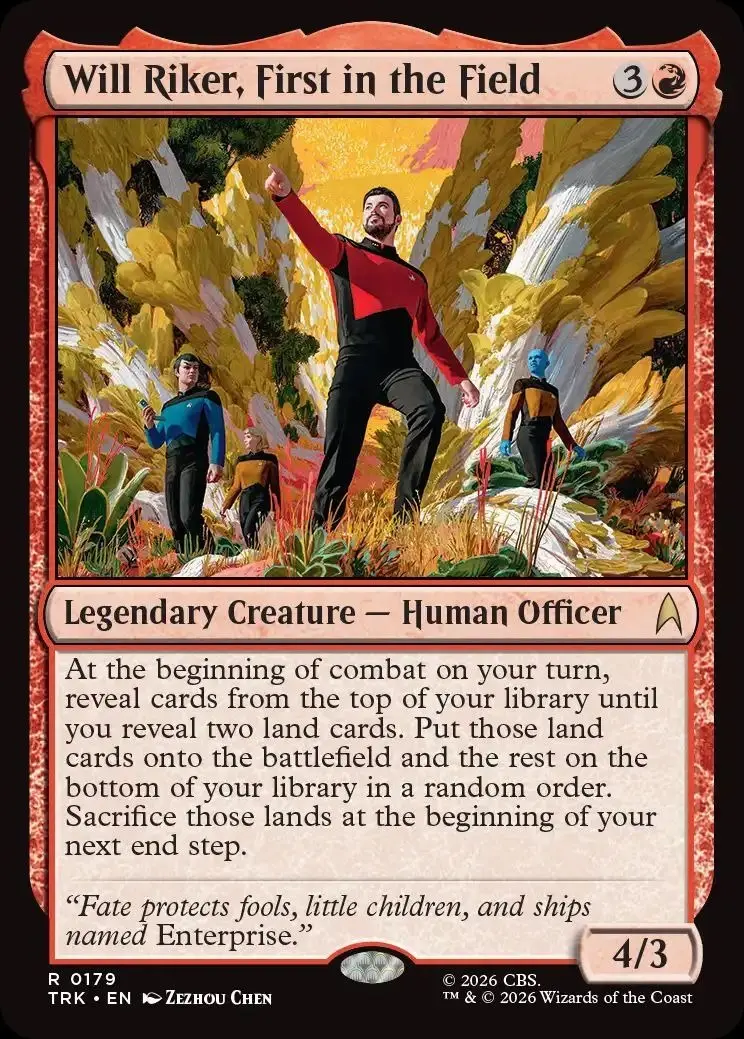
Wizards of the Coast has expanded its ongoing Universes Beyond series with a crossover that brings the iconic science-fiction universe of Star Trek to Magic: The Gathering. Available now for both tabletop play and digital via Magic: The Gathering Arena, the new collection has undergone early testing by players eager to see how a franchise defined by exploration, diplomacy, and interstellar starships translates to a trading card game format that traditionally relies on fantasy spells, combat phases, and mana pools.
When evaluating pop-culture crossovers in card games, superficial references and Easter eggs are often easy to include, but they rarely sustain player interest over long periods of time. While nods to modern iterations like the animated series Star Trek: Prodigy and the J.J. Abrams-verse film Star Trek Beyond are bound to catch the attention of franchise completionists, the long-term success of a Universes Beyond set ultimately hinges on its mechanical execution. The best adaptations successfully capture the core themes of their source material, transforming narrative motifs into functional rules that make the set feel like a genuine extension of the universe being represented, rather than merely another popular intellectual property folded into an active content pipeline.
Early gameplay testing suggests that the Star Trek set manages this transition effectively, utilizing specific mechanical frameworks to mirror the thematic pillars of Starfleet and the broader galaxy. Among the most prominent mechanical additions is "Strange New Worlds," a blue-green deck archetype that rewards players for maintaining a diverse array of land types rather than simply stacking basic resources like Islands and Forests. Utilizing cards such as Deep Space Scan allows a player to draw cards scaling directly with the number of uniquely named lands they control, while those same diverse territories simultaneously lower the activation costs needed to power up assets like the Astute Terraformer.
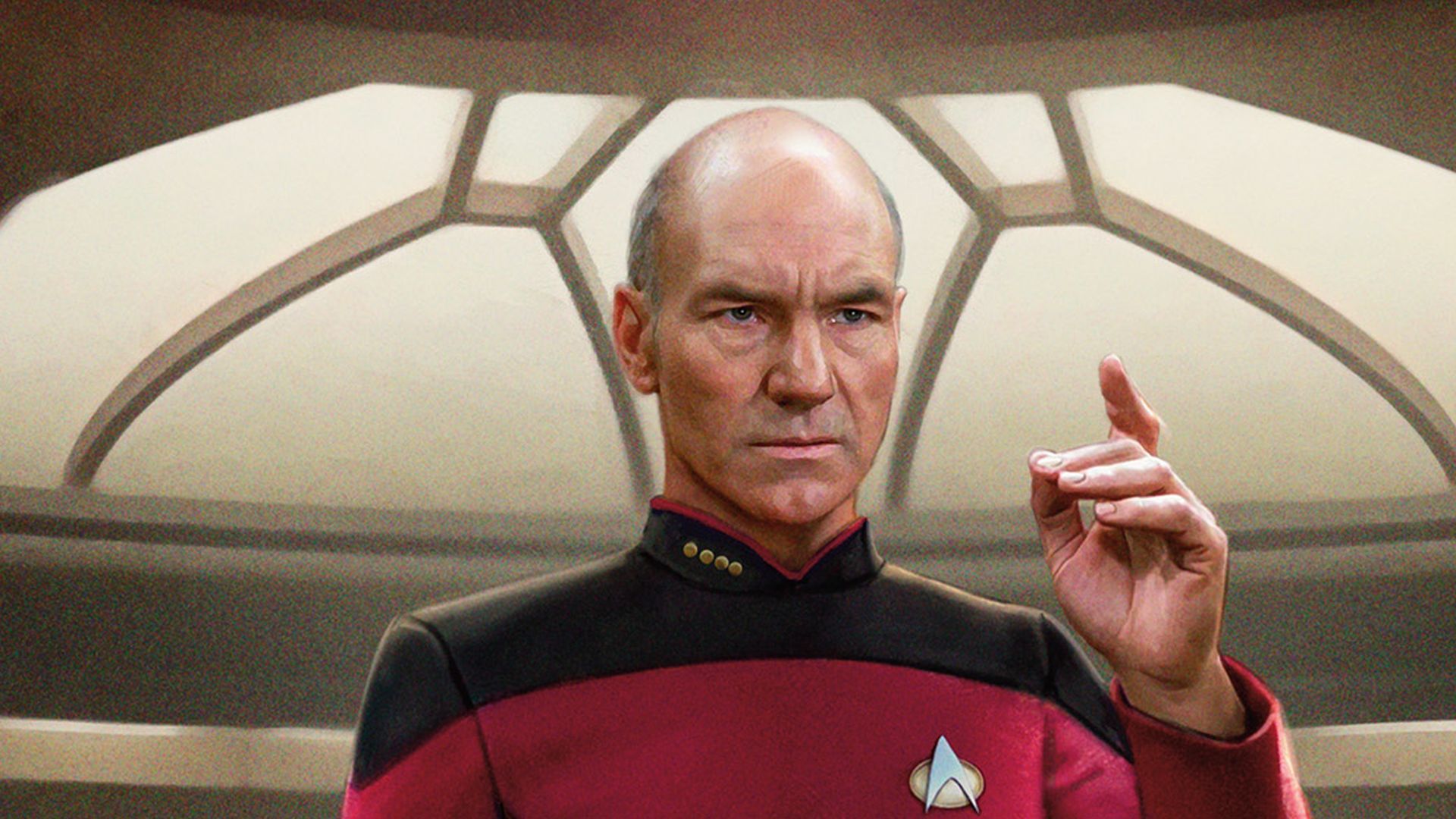
Complementing the exploration-focused land mechanics is the "Federation" keyword, which grants distinct gameplay bonuses for controlling a variety of different creature types concurrently on the battlefield. By encouraging players to deploy iconic species side-by-side—such as Vulcans, Klingons, and Romulans, though notably excluding the Borg—the set emphasizes the core Star Trek ethos of cooperation and interstellar diversity. Players are mechanically incentivized to construct a multi-species crew and venture into the final frontier, a theme literally reinforced by a card aptly named Final Frontier.
The set also incorporates and expands upon spacecraft mechanics previously introduced in other recent expansions like Edge of Eternities. In this system, starships enter the field with limited baseline capabilities and require players to "station" them by tapping available creatures to add charge counters. Once sufficient counters are accumulated, the vessels unlock their full suite of abilities, including flight and combat readiness. Characters like Lt. Cmdr. Geordi La Forge serve as efficient synergies within this framework, effectively doubling the rate at which charge counters are applied and allowing players to mobilize key flagships twice as fast.
While the set features cards representing several different iterations of the legendary vessel, certain variants introduce unique tactical advantages on the tabletop. The U.S.S. Enterprise-A, Free Spirit variant, for instance, immediately generates three red 1/1 officer tokens upon entering the battlefield. This sudden influx of crew members not only accelerates the ship’s stationing requirements but also provides disposable defenders to absorb enemy attacks, a clever nod to the classic science-fiction trope of expendable security personnel clad in red uniforms.
Further leaning into the franchise’s specific lore and mechanics are additional keyword interactions. A "Beam Me Up" mechanic provides a tactical recovery option, allowing players to pull a card back from their discard pile by returning another card currently on the battlefield back to their hand. Meanwhile, an "assimilate" mechanic allows players managing Borg-themed decks to strip opposing creatures of their existing creature types and convert them into controlled artifacts.
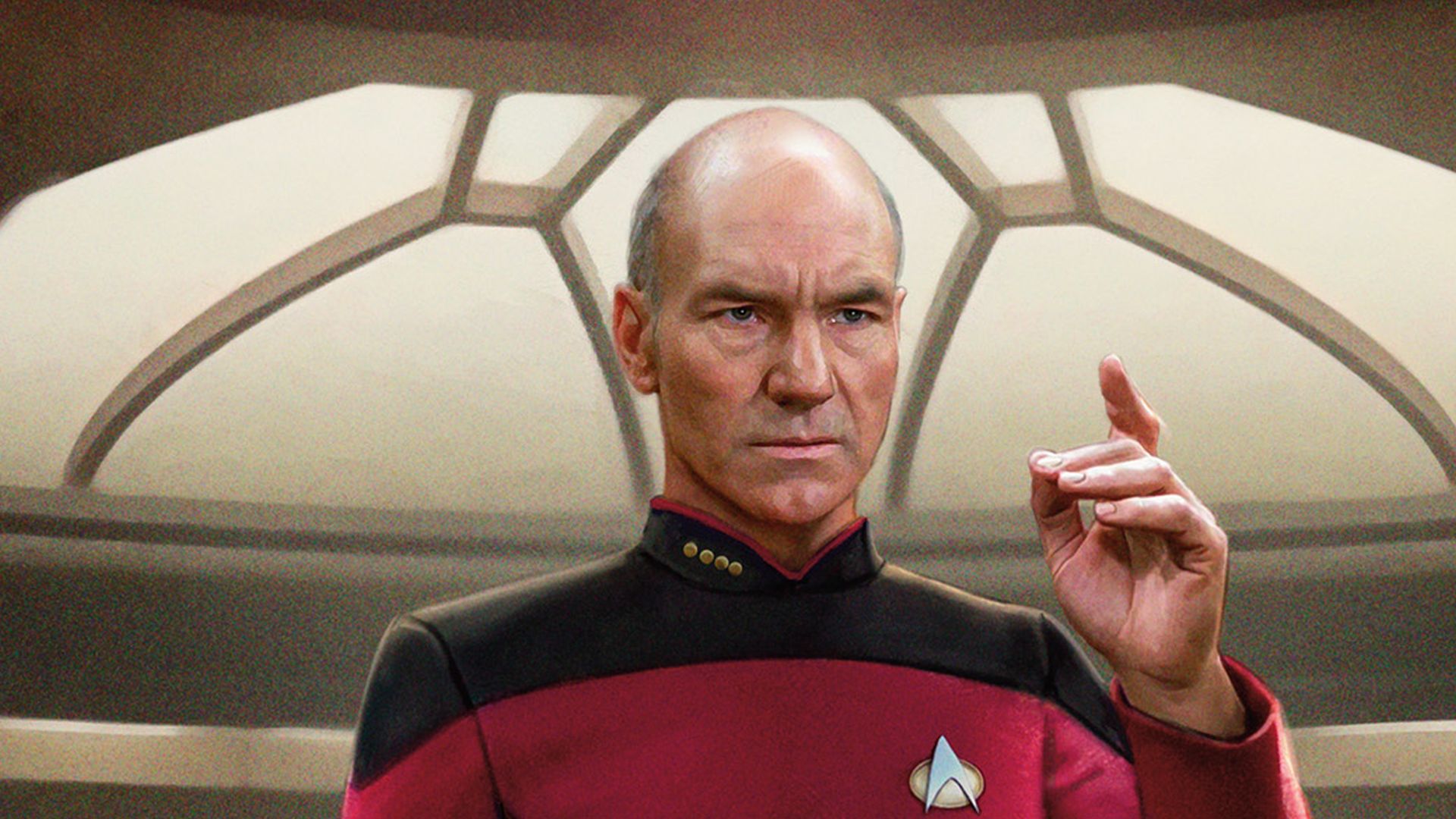
Despite the inclusion of adversarial factions, the defining mechanical feel of the Star Trek set remains rooted in teamwork and collective effort. Cards like Common Goal enable pairs of creatures to combine their damage output during combat skirmishes, while a broader suite of abilities triggers additional benefits when creatures with a combined power threshold of eight attack simultaneously as a unified front. The inclusion of characters such as Worf, Honor-Bound Warrior—who doubles his own power when participating in such coordinated offensives—has proven to be a reliable win condition for aggressive red-white deck configurations.
Ultimately, the set succeeds by capturing the optimistic, collaborative spirit of its source material, reflecting an ideal where diverse individuals overcome crises by working together and embracing their differences. Magic: The Gathering’s Star Trek crossover set is available now for players exploring both physical tabletop formats and digital matches on Arena.