PARIS — The Aura Blockchain Consortium is significantly expanding its digital product passport capabilities through a new, strategic partnership with French supply chain traceability platform Fairly Made. This collaboration brings granular environmental impact data directly into Aura’s blockchain-based product identification platform, a vital step as the global luxury industry prepares for sweeping new European Union regulations regarding transparency and sustainability.
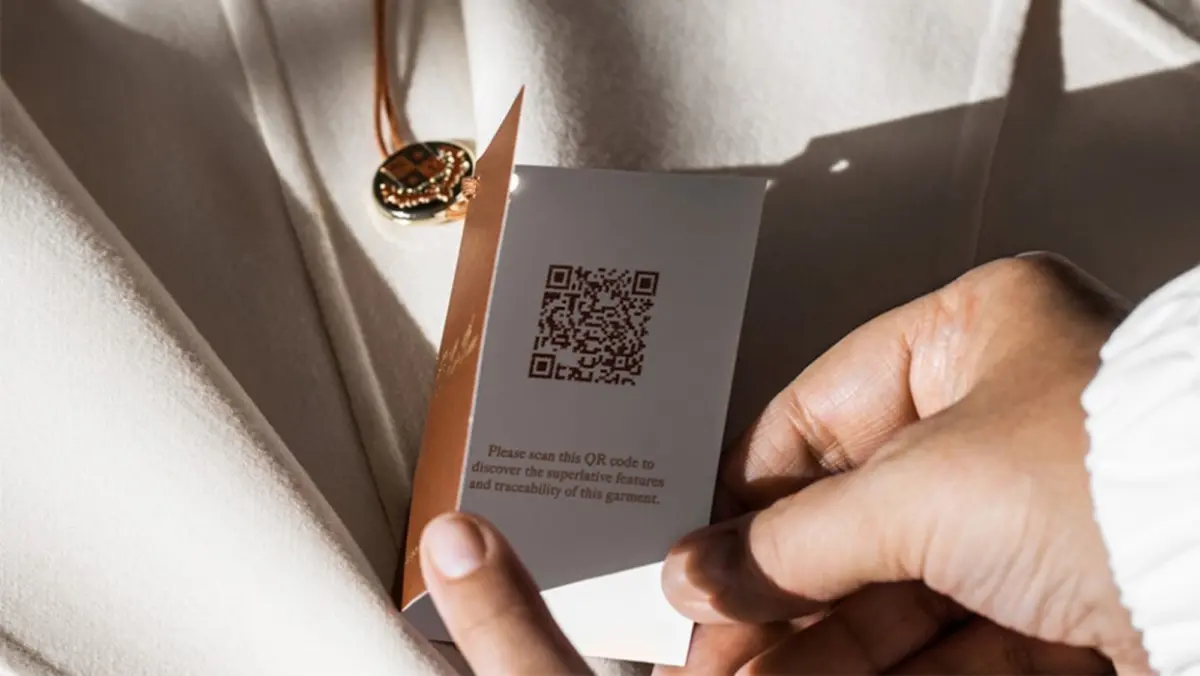
By joining forces, Fairly Made’s robust supply chain mapping and environmental impact data will be seamlessly matched to relevant products and displayed directly within Aura’s digital product passport (DPP) product. Under this integrated system, consumers will be able to access comprehensive information—including product composition, the geographic origins of raw materials, complex manufacturing processes, and measured environmental impact—simply by scanning an NFC chip or a QR code linked to an individual product.
The high-profile deal arrives as newly appointed chief executive officer Marcel Härtlein, a former Lalique executive who officially took the reins in January, works to move Aura beyond its foundational origins as a pure blockchain platform. Instead, the leadership team is actively growing the consortium into a comprehensive infrastructure and service provider tailored specifically to the evolving needs of the luxury industry.
“Traceability is the foundation for a more transparent and accountable future for luxury,” Härtlein said regarding the partnership. “By connecting a product’s origins, journey and environmental impact, we can help brands turn information into lasting trust. Our partnership with Fairly Made demonstrates how this traceability can enrich the customer experience by making information clear and accessible for consumers, while providing brands with a solution that is simple to integrate.”
Speaking to industry reporters earlier this year, Härtlein described this next phase of the consortium’s ongoing development as a deliberate move toward becoming a “value-creating industry orchestrator.” In this capacity, Aura aims to actively help its member brands scale the adoption of traceability and transparency technologies across their global business operations.
Aura was originally founded in 2021 by a powerhouse group of luxury conglomerates and brands, including LVMH Moët Hennessy Louis Vuitton, OTB, Prada Group, and Richemont. Today, the consortium counts more than 50 luxury brands among its members and has successfully registered more than 80 million individual products on its blockchain infrastructure. Härtlein, who succeeded Romain Carrere as chief executive officer, is working alongside newly appointed chairman Stefano Rosso, who took over the leadership role from Prada’s Lorenzo Bertelli.
One of the most persistent and complex challenges facing luxury brands as they scramble to prepare for mandatory digital product passports is successfully connecting the vast amounts of information they have already collected across disparate supply chains with product-level disclosures and customer-facing digital services.

“By connecting Fairly Made to Aura, brands streamline their compliance work and create a seamless flow of environmental data from their supply chain to each product,” said Fairly Made co-CEO Laure Betsch. She added that the integration will make vital environmental impact data much more accessible to everyday consumers, ultimately empowering them to make more informed purchasing decisions when investing in luxury goods.
Sustainable luxury pioneer Another Tomorrow has been named as the first brand to deploy the combined technological solution, with a public rollout officially scheduled to take place before the end of the year.
“At Another Tomorrow, transparency is at the heart of everything we do,” said founder and co-CEO Vanessa Barboni Hallik. Under the upcoming deployment, the brand’s digital product passports will showcase detailed environmental information alongside a host of additional product-related and after-sales services. These value-added features will include secure certificates of ownership, rich product storytelling, and integration with Another Tomorrow’s established Authenticated Resale program.
The timing of the partnership aligns closely with broader regulatory shifts across Europe. The European Union is steadily moving toward the widespread, mandatory adoption of digital product passports under the umbrella of the Ecodesign for Sustainable Products Regulation, commonly referred to as ESPR. Textiles and fashion goods are widely expected to be among the primary product categories covered by these upcoming compliance requirements, which are anticipated to be officially unveiled in 2027.
Meanwhile, in France, a regulated environmental-cost display for clothing has also been introduced. This national framework allows brands to voluntarily calculate and display the total environmental cost of individual products in accordance with a standardized, government-established methodology. These localized metrics can also be easily incorporated into digital product passports through the newly established technological bridge between Aura and Fairly Made.
Fairly Made, which specializes in providing supply chain traceability, life-cycle assessment, and ecodesign software specifically designed for the fashion and apparel sector, currently works with approximately 130 brands and has successfully onboarded more than 35,000 suppliers globally in 2026 alone.
The traceability platform also expanded its international footprint into the United States earlier this year, officially opening a dedicated office there in May. In the U.S. market, Another Tomorrow stands out as one of Fairly Made’s early brand adopters, alongside industry giants like G-III Apparel Group. G-III manages a sprawling portfolio of more than 30 owned and licensed brands worldwide, encompassing major names such as DKNY, Donna Karan, Marc Jacobs, Karl Lagerfeld, Calvin Klein, Tommy Hilfiger, BCBG, Sonia Rykiel, Vince Camuto, and French Connection, underscoring the expanding scale of supply chain transparency initiatives across the international fashion landscape.