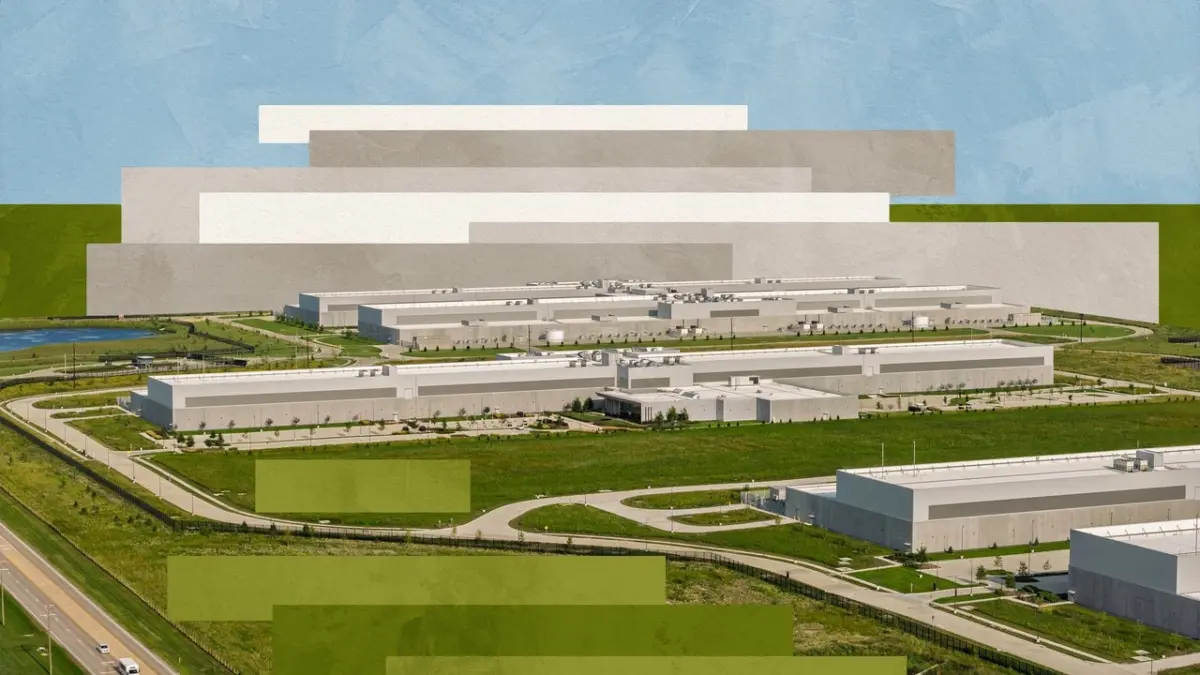
Tech Giants Must Rethink the Ugly Reality of Data Centers
The United States is currently experiencing a historic, trillion-dollar boom in artificial intelligence investment, and massive data centers sit directly at the epicenter of this economic and technological wave. However, this unprecedented digital expansion is colliding head-on with a harsh physical reality. Amid rising public anxiety over power grid instability, intense criticisms regarding massive water consumption, and complex moral quandaries surrounding rapid tech development, the physical infrastructure powering the AI revolution is facing severe and escalating backlash from the very communities earmarked for site development.
To combat this growing friction, the newly formed AI Infrastructure Coalition—a prominent trade organization whose high-profile members include tech giants such as Google, Meta, and Microsoft—has stepped forward with a series of diplomatic measures. The coalition hopes that formal pledges to strictly limit resource consumption, prioritize local hiring initiatives, and invest heavily in community improvement projects will ease mounting tensions and win over skeptical residents. But despite these well-funded diplomatic efforts, industry leaders may be overlooking one surprisingly fundamental and deeply human grievance: people simply do not want to live next to massive, industrial eyesores.
When examining the staggering budgets allocated by data center developers, the financial disparity regarding exterior architecture becomes glaringly obvious. Of all the millions of dollars that tech companies and developers are pouring into these massive structures, barely a fraction is allocated to thoughtful visual design and architectural integration. While industry experts and financial analysts fully expect the vast majority of capital expenditures to go toward essential functional components—such as advanced AI servers, complex electrical and power substations, heavy-duty cooling systems, and specialized labor—the visual aesthetics of the buildings themselves cannot continue to be sidelined as an afterthought. Far more time, effort, and financial resources must be dedicated to this critical part of the equation if developers hope to secure long-term community acceptance.
Without a dramatic shift in architectural priorities, AI companies risk feeding directly into an already growing list of valid reasons for local residents to fiercely resist new construction. Neighborhoods across the country are already organizing against incoming developments, and this grassroots backlash is rapidly reaching the most vital data center hubs in the United States. In Texas, for instance, the tension has escalated to the point where Governor Greg Abbott took the unprecedented step of implementing a statewide moratorium. This administrative halt requires a comprehensive energy audit for all incoming AI companies, freezing crucial electrical grid approvals while state officials assess the load. Furthermore, incoming political leadership has signaled an even firmer stance; governor-elect Gina Hinojosa has publicly stated that she intends to push the boundaries further by maintaining a strict moratorium until the state legislature passes robust new data center regulations specifically designed to protect Texas residents and their strained utility infrastructure.
AI companies and their real estate developers will clearly need to get deeply creative to handle the sheer scale of this multifaceted challenge. While it is true that improving how these massive centers look will not miraculously solve every underlying systemic issue—such as grid reliability or environmental footprint—investing heavily in their visual appeal and architectural harmony would undoubtedly help soften the blow.
From a psychological perspective, human beings are inherently visual creatures who tend to view nicer-looking things far more favorably than sterile, industrial monoliths. Behavioral and psychological researchers have even documented a fascinating phenomenon known as aesthetic bias, having found that people routinely attribute greater moral standing and positive attributes to animals, objects, and buildings that they perceive as more beautiful or well-designed. Data centers, which currently battle deeply negative public perceptions regarding corporate intrusion and environmental strain, could certainly benefit from that psychological boost.
Unfortunately, current data center designs tend to have the exact opposite psychological and economic effect on local populations. The prevailing architectural model relies on massive, windowless, gray commercial units that are simply not pleasant to look at. From an economic standpoint, the sudden appearance of these monolithic industrial blocks can spark severe and immediate anxiety among local homeowners regarding property values and market liquidity. Neighbors naturally worry about whether they will be able to sell their homes at a fair price in the future if they choose to relocate, transforming a neighborhood asset into a source of long-term financial uncertainty.
This anxiety arrives at a particularly precarious time for the American housing market. Property owners are already on edge, navigating a landscape where broader home sales are down nationally, and property delistings—where frustrated sellers pull their homes off the market rather than lower their asking prices—are hitting near-record rates. At a time when the residential real estate market is already characterized by notable volatility and consumer hesitation, the abrupt arrival of a massive gray industrial data center unit is virtually guaranteed to be met with fierce local resistance and deep public dismay.