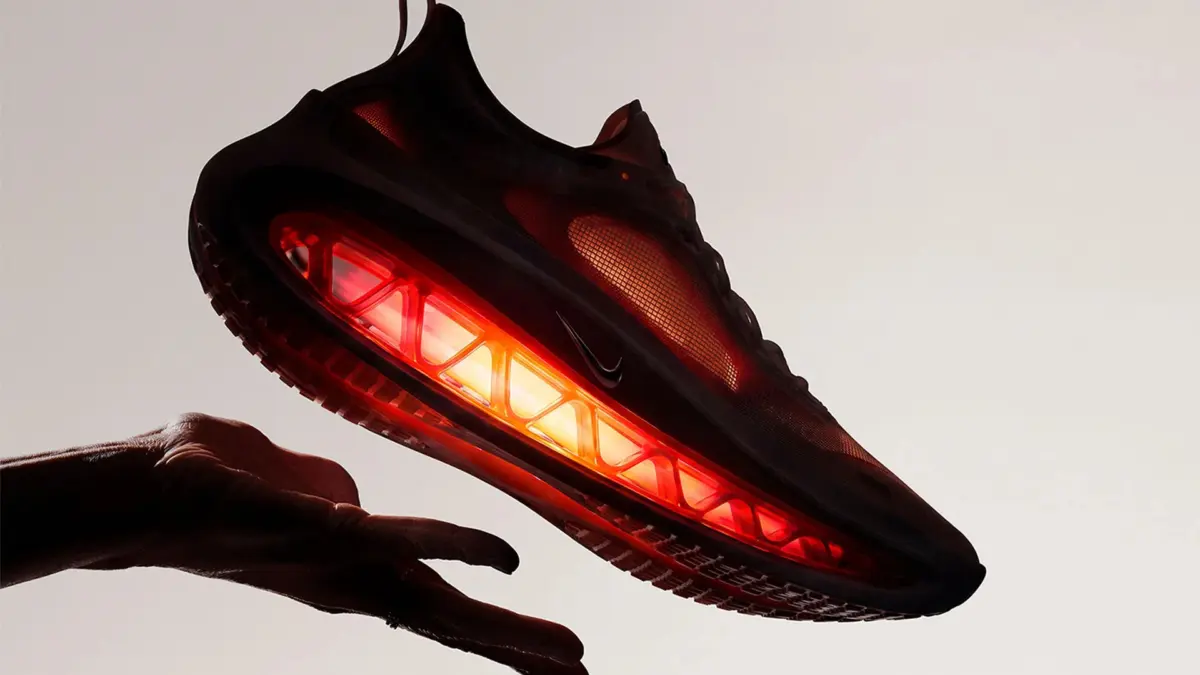
For half a century, the name Nike has been almost universally synonymous with a single technological concept: Air. First developed with aerospace roots at NASA before being integrated into a revolutionary running shoe in 1978 and later immortalized by the iconic Air Max 1, the pressurized cushioning system came to represent the very pinnacle of the brand’s commitment to cutting-edge athletic innovation. Today, however, as the sportswear giant finds itself uncomfortably on its back foot following several years of strategic missteps, lost market share, and shifting consumer loyalties, the company is betting its future on a radical evolution of its foundational asset.
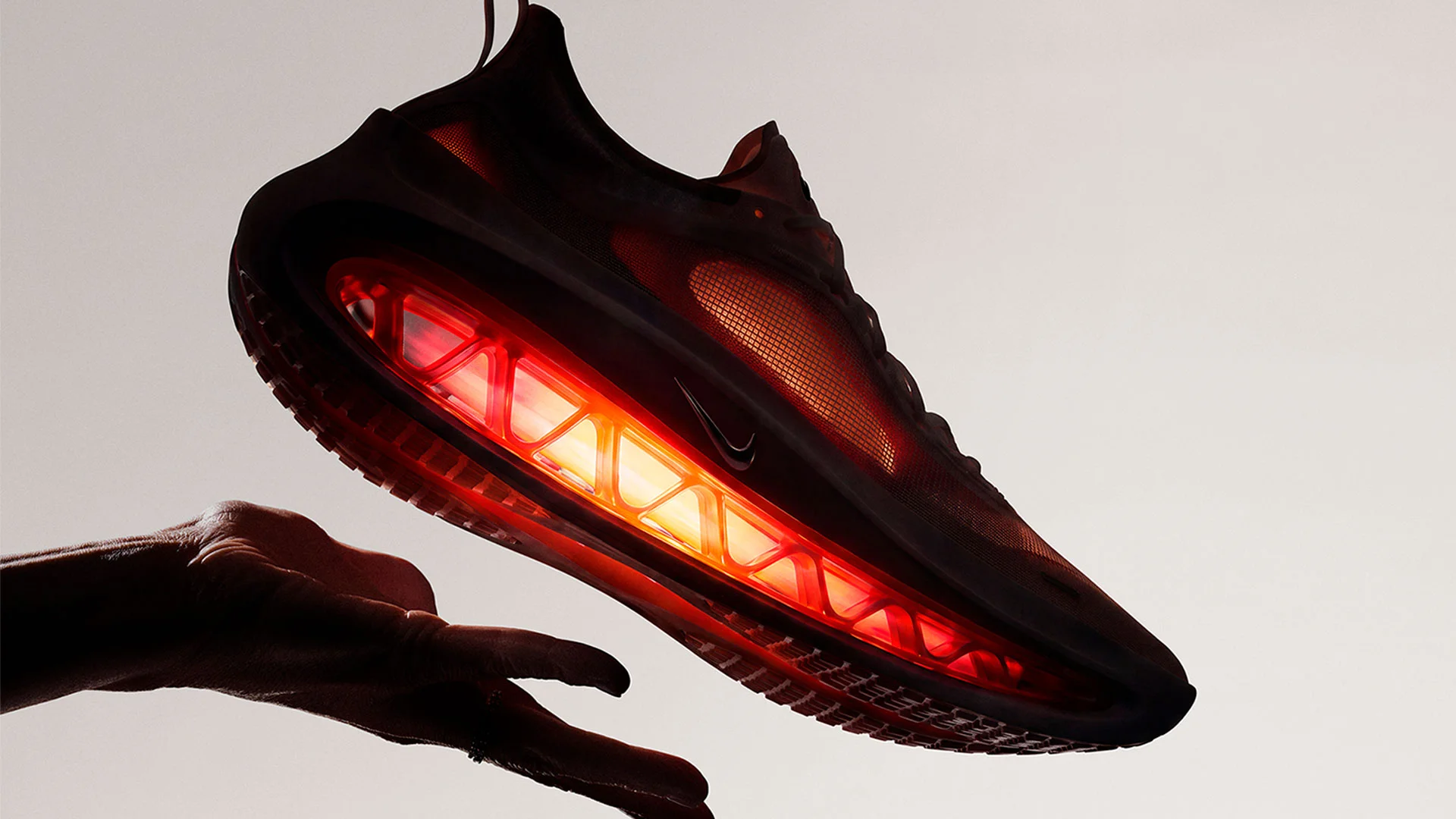
Just a day before announcing its latest financial results, Nike is officially unveiling Tuned Air, a high-tech evolution of its classic cushioning platform that has quietly been in development for years. The company plans to debut this advanced technology within a forthcoming high-performance running sneaker scheduled to hit the market within the next twelve months. Yet, leadership views Tuned Air as much more than a standalone shoe feature; they envision
it as a versatile, broader platform that can eventually be seamlessly incorporated across a wide variety of sport-specific performance footwear and even into the company’s extensive apparel lines.
This high-stakes rollout represents a critical pillar in Nike’s broader strategy to restore its fading credibility as a premier industry innovator and actively win back dedicated runners who have drifted toward burgeoning rival brands. Given the sheer amount of competitive ground Nike has surrendered over recent years, industry analysts remain divided on whether this ambitious strategy will successfully reverse the company’s fortunes. Despite the skepticism surrounding its recent market position, however, internal leadership remains deeply optimistic about the technological leap forward.
"There’s no better innovation that speaks to our formula than Air," says Phil McCartney, Nike’s chief innovation, design, and product officer, emphasizing the profound historical and cultural weight the technology carries within the walls of the corporate headquarters.
McCartney is a seasoned veteran who has spent three decades rising through the ranks at Nike. Having successfully run the global footwear business from 2016 until the previous year, he was elevated to his current comprehensive role by CEO Elliott Hill, placing him firmly in charge of innovation, design, and product development across the core Nike brand, Jordan, and Converse portfolios. Speaking from the state-of-the-art LeBron James Innovation Center located at Nike’s sprawling corporate campus in Beaverton, Oregon, McCartney elaborated on the core philosophy guiding his teams. He explained that his product developers and designers operate under a guiding motto purposefully borrowed from two revered Nike legends: "Create epic shit. Make athletes better." The first phrase is attributed to the late basketball icon Kobe Bryant, while the second comes directly from Nike cofounder Bill Bowerman.
According to McCartney, Nike is actively translating that punchy slogan into a disciplined, repeatable corporate formula consisting of three fundamental pillars: athlete, science, and solution. This structured triad guides every phase of the company’s modern approach to product innovation. Innovation teams begin the cycle by gathering deep, qualitative and quantitative insights directly from elite and everyday athletes. They then rigorously test emerging ideas and prototypes at the advanced Nike Sports Research Lab in Beaverton, as well as through specialized field testing teams operating in international hubs such as Eldoret, Kenya, London, and Shanghai, ensuring that products are rigorously vetted under diverse real-world conditions.
Introducing Nike Tuned Air
To understand the magnitude of the new platform, one must look back at the mechanics of the original breakthrough. The classic Air technology, which revolutionized footwear decades ago, was created by sealing tough pockets of nitrogen gas using two sheets of durable plastic film. In those traditional iterations, the encapsulated air was distributed relatively evenly, creating a uniform, generalized cushioning effect throughout the entire internal pocket. With the introduction of Tuned Air, however, Nike has introduced a profound level of physical nuance and engineering precision.
Before the distinct plastic sheets are thermally pressed together during the manufacturing process, Nike introduces a specialized chemical agent that enables the creation of a targeted internal pattern. This chemical manipulation allows engineers to fine-tune precisely where the gas is located within the unit and dictate exactly how much air volume is contained within each specific pocket zone. By varying these parameters across a single cushioning unit, the design team can intentionally engineer one specific area of the shoe’s cushion to be soft and highly springy, while simultaneously making an adjacent area remarkably firm and stable.
"It allows us to completely change the relationship between cushioning and support, and precision-tune the experience," McCartney explains, highlighting how the breakthrough bridges what was once a traditional design compromise in athletic footwear engineering.
As the company prepares to introduce the technology to the public and navigates its upcoming financial disclosures, the pressure on the design and product teams is palpable. The success of Tuned Air will likely serve as a decisive test for whether Nike can successfully leverage its legendary heritage to engineer a modern comeback, reasserting its dominance in the hyper-competitive global athletic footwear market.