The high-stakes multiplayer tour mode in Secret Mode’s Galactic Racer delivers a chaotic blend of competitive adrenaline and strategic progression. Over the course of six intense races, players must continuously upgrade their speeders while dodging aggressive opponents who are all too happy to shunt them directly into track walls. This mode successfully bridges the gap between single-player campaign mechanics and multiplayer tournament structures, offering a best-of-both-worlds experience that tests both raw driving skill and long-term resource management.
However, navigating this six-race tour requires more than just raw speed. Because competitors only get a single race on each planetary map before moving on, players can easily be blindsided by unfamiliar environmental hazards. In the grand tradition of sci-fi world-building, Galactic Racer largely adheres to the familiar single-environment planet trope seen across popular franchises like Star Wars—featuring distinct worlds dedicated entirely to deserts or jungles. Yet, even within this familiar framework, developers can introduce punishing surprises, none more jarring than the harsh realities of Sentinel I.
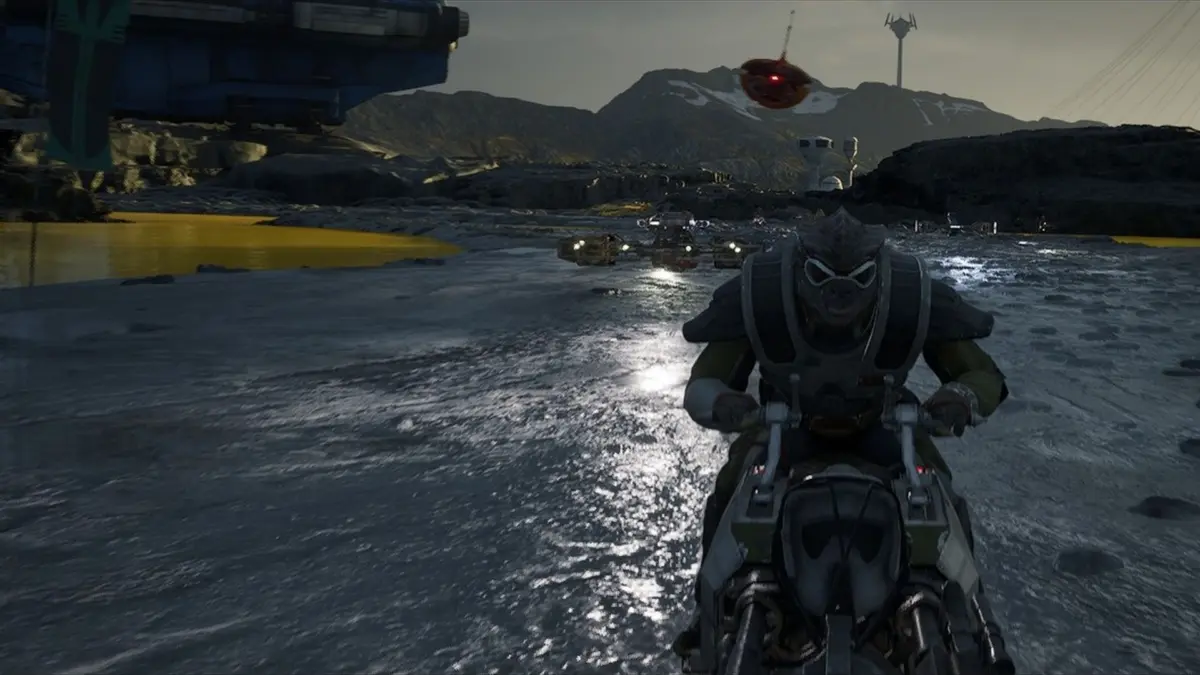
Affectionately or derisively viewed by racers as the galaxy’s planet of burning liquid waste, Sentinel I offers a stark wake-up call to unprepared pilots. Veer even slightly off the designated racing line on this gloomy, desolate world, and your speeder will plunge into boiling yellow acid. Skimming across these scenic yet lethal rivers instantly tanks your ramjet boost, bringing your momentum to a screeching halt and turning a competitive run into a frustrating scramble for recovery.
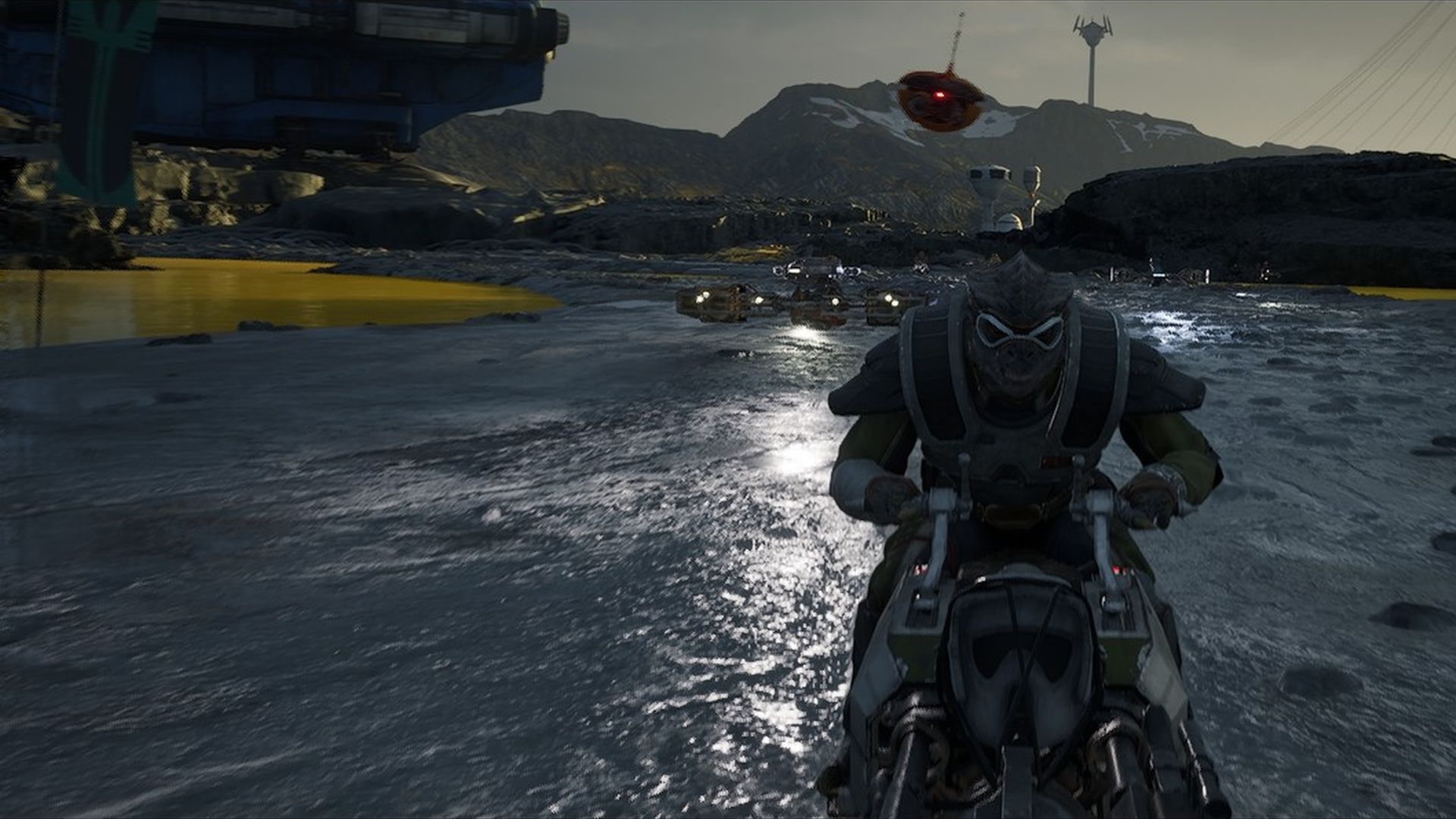
This environmental hazard exposes a common trap for newcomers and veterans alike. When accumulating precious upgrade points throughout a tour, the immediate temptation is to heavily invest in afterburners and ramjets to maximize top speed. Similarly, players who rely on special active abilities often prioritize upgrading their battery capacity to ensure they have enough energy to use their tech repeatedly. While these offensive and velocity-focused stats are certainly alluring, neglecting defensive readiness can spell disaster.
Experienced pilots advise that allocating a healthy portion of those early upgrade points into resilience before touching down on Sentinel I is essential. Without adequate resilience, a momentary brush with the planet’s corrosive yellow rivers will completely immobilize your vehicle, leaving you dead in the water while the rest of the pack streaks past. Investing in durability acts as an insurance policy against the harsh geography of the galaxy, ensuring your speeder can shrug off minor navigational errors without suffering catastrophic performance losses.
Failing to plan for environmental hazards on Sentinel I creates a cascading disadvantage that will continue to haunt players later in the tournament. The climax of each tour takes place on Derven Acos, a grueling final race that essentially serves as a remix of all previous environments and their respective hazards. On Derven Acos, racers must contend with a punishing amalgamation of environmental threats, including the freezing ice hazards reminiscent of Ando Prime, the blistering lava pools pulled straight from Lantaana, and the corrosive acid rivers that define Sentinel I.
Without prior preparation and a balanced upgrade tree, surviving the chaotic gauntlet of Derven Acos becomes an uphill battle. While the same tactical advice regarding resilience naturally applies to the game’s single-player mode, campaign pilots have a distinct advantage. In single-player runs, players typically begin with a substantial stockpile of tuning points earned from previous endeavors, making them far less starved for upgrades when facing mid-to-late-game hazards. In the fast-paced multiplayer tour mode, however, resources are tighter and the margin for error is razor-thin, making every allocation decision a critical turning point in the race for the championship.