It is one of the most famous pieces of trivia in PC gaming history: Fallout, the seminal post-nuclear role-playing game that would eventually define a multi-billion-dollar franchise, was originally designed to run on the rules of GURPS. Standing for Generic Universal Role-Playing System, the tabletop giant was published by Steve Jackson Games—referring, of course, to the American game designer, distinct from the British Steve Jackson who co-founded Games Workshop.
The partnership between developer Interplay and Steve Jackson Games eventually collapsed, leading to a hurried pivot that forced the developers to build their own proprietary system, S.P.E.C.I.A.L. But long before the licensing deal dissolved under mysterious circumstances, leaving both sides pointing fingers, the friction between the tabletop publisher and the digital development team ran deep. According to recent revelations from Fallout co-creator Tim Cain, the disputes touched upon core elements of the game’s identity that fans now consider entirely indispensable—most notably, the iconic, grinning mascot known today as Vault Boy.
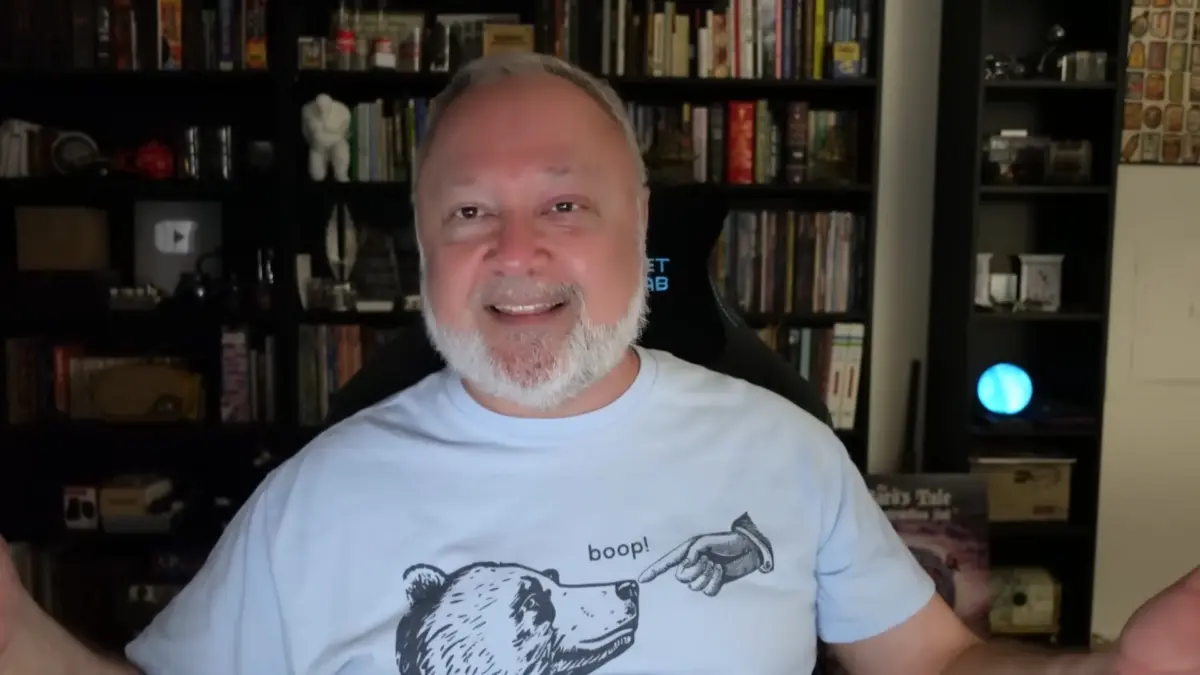
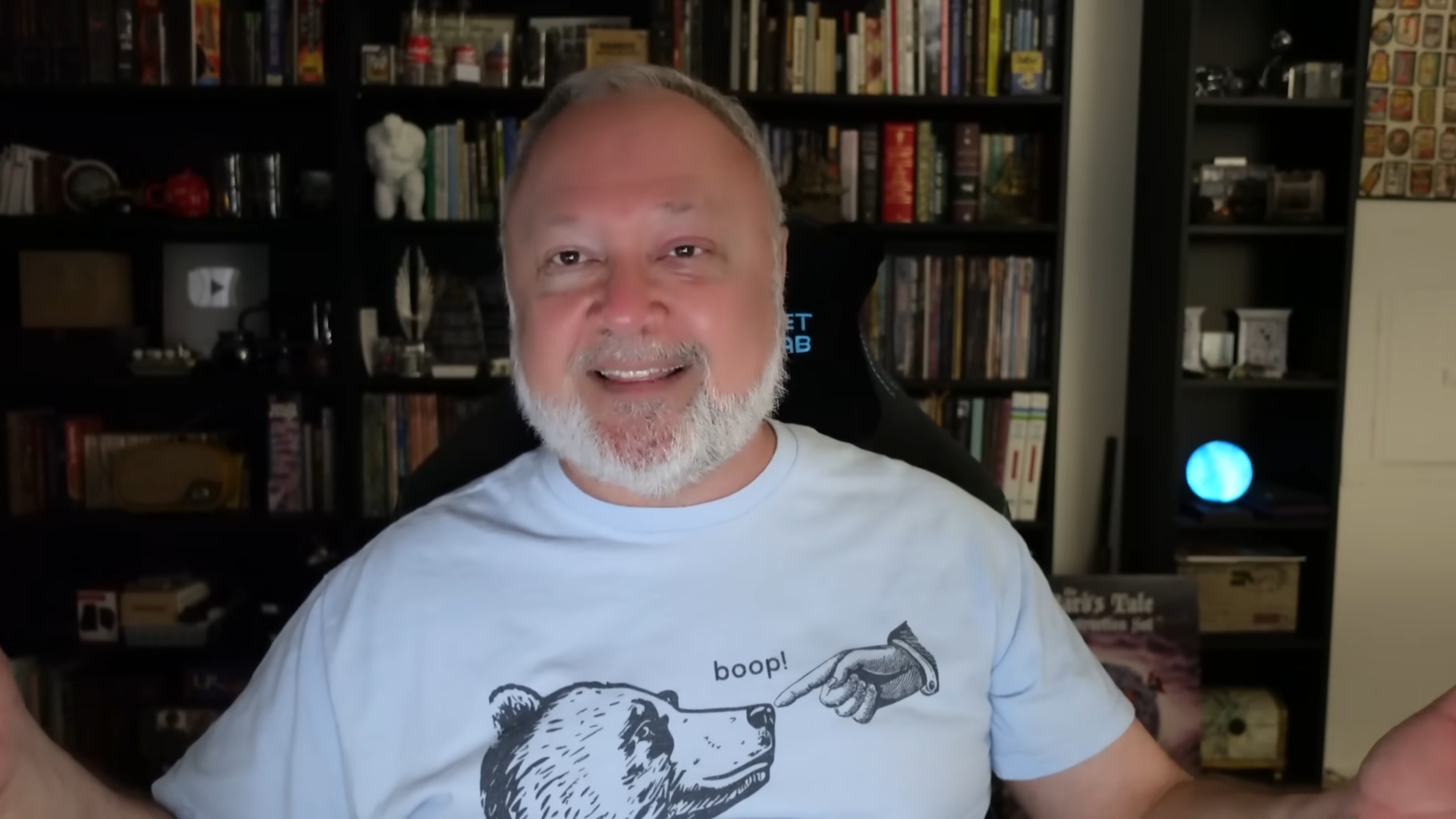
In a recent video examining the history and creation of Vault Boy, Tim Cain shed new light on the creative clashes that occurred behind closed doors during the early development of the 1997 classic. Among the myriad issues Steve Jackson Games took with Interplay’s vision, the cheerful, blonde cartoon mascot stood out as a primary grievance.
"Among other things that Steve Jackson Games didn’t like about Fallout was Vault Boy," Cain explained in the video. "They specifically singled out Vault Boy as needing to be removed. They didn’t like it. We explained the Monopoly reference, they didn’t like it. They thought it tonally didn’t fit. Keep in mind we had already done the cinematic and they didn’t like it there. There’s other things in the cinematic they didn’t like, but they didn’t like Vault Boy there either."
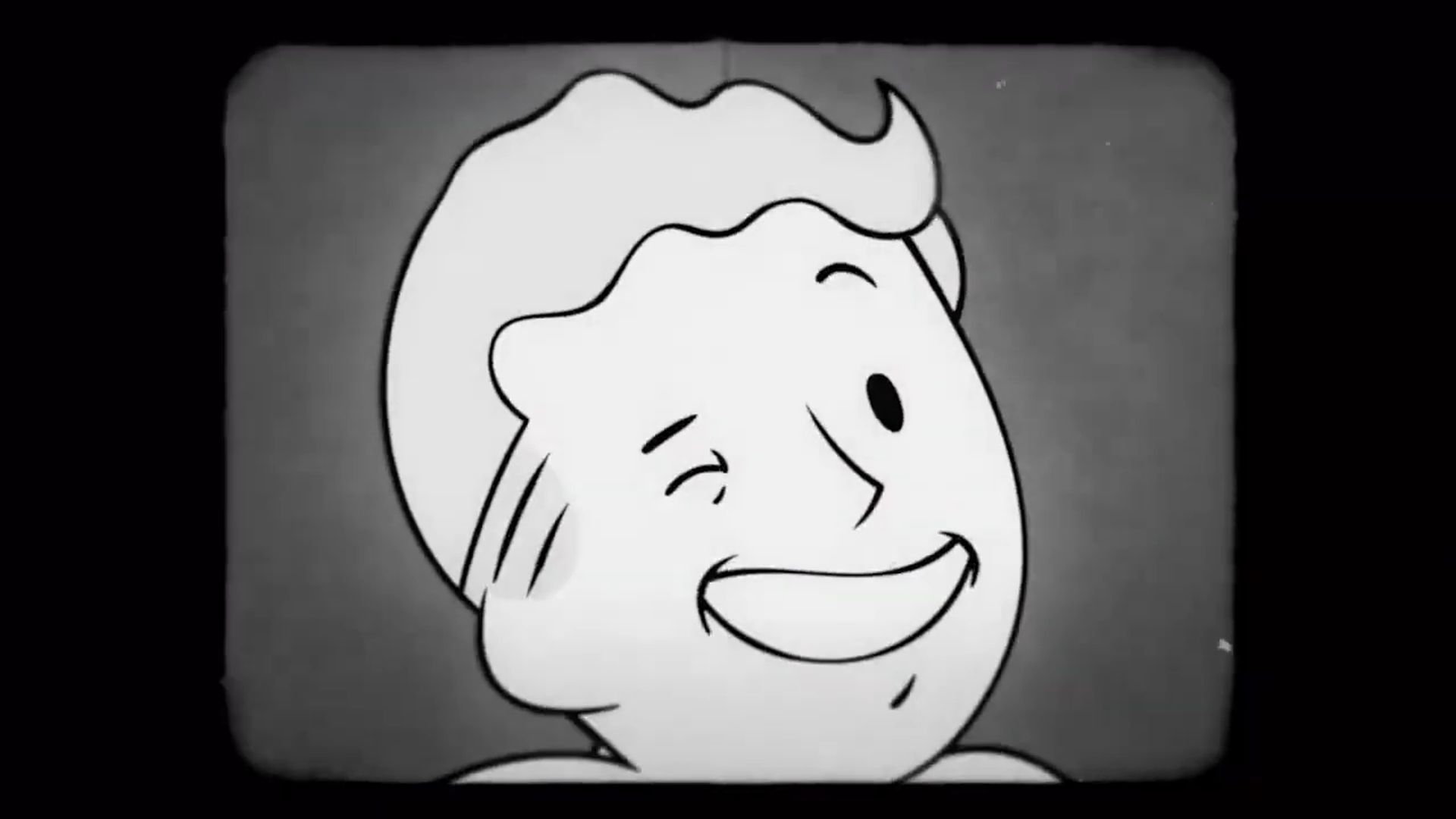
For modern fans, imagining a Fallout universe devoid of Vault Boy is nearly impossible. The character’s distinctive visual style has become synonymous with the franchise itself, plastered across promotional materials, merchandise, in-game menus, and even the recent live-action television adaptation. Crucially, as Cain pointed out, having consistent, lighthearted cartoons to represent the myriad skills, perks, and status effects of the RPG—designed to remain clear and readable even when shrunk down to tiny icon sizes—proved to be an invaluable design choice. Dropping him would have fundamentally altered the whimsical, darkly satirical flavor that balanced the bleakness of the wasteland.
The exact nature of the fallout between Interplay and Steve Jackson Games has long been the subject of industry lore, with both camps remembering the timeline and the reasons for the split quite differently. Steve Jackson himself has maintained that he was largely unaware of any insurmountable friction until a journalist contacted him out of the blue, asking for a comment regarding the termination of the deal. From his perspective, the partnership simply evaporated without warning.
Conversely, various members of the Interplay staff have historically pointed to creative disagreements as the catalyst. Specifically, they highlighted Jackson’s profound distaste for the game’s notoriously violent opening cinematic as a major wedge between the companies.
Historical reporting from the era helps fill in the gaps of what transpired during those tense negotiations. Writing in the April 1998 issue of PC Gamer, RPG columnist Michael Wolf spoke directly with Interplay’s Feargus Urquhart to unpack the details of why the high-profile licensing agreement ultimately went up in smoke.
"He didn’t like the violence in the introduction, Urquhart says," Wolf wrote at the time, detailing Jackson’s grievances. "He wanted to make the game’s characters bigger, with more details on the weapons; and he didn’t like the little characters that represent the different skills in the game—in fact, he wanted those Monopoly-style cartoon characters pulled out."
According to Urquhart’s account from the archives, the negotiations devolved into extensive wrangling over the fine print of the contract. The agreement apparently stipulated that Jackson retained a degree of control over the environment and context in which the GURPS license was deployed—a clause described by developers at the time as frustratingly vague. As the creative demands mounted and compromises proved impossible to reach, the situation reached a breaking point. Jackson reportedly communicated that if Interplay pushed forward with Fallout in its current state, the publisher would take legal action to block it.
Faced with the prospect of grinding delays, legal battles, and extensive redesigns to appease a tabletop publisher that fundamentally disagreed with their artistic direction, Interplay made a pragmatic and fateful choice. Rather than getting bogged down in costly red tape and creative compromises, the studio dropped the GURPS license entirely.
The departure forced the team to rapidly pivot, designing their own robust role-playing framework from scratch. That improvisation birthed the S.P.E.C.I.A.L. system, which would power the first two isometric masterpieces and lay the mechanical foundation for the franchise’s modern iterations under Bethesda Softworks.
More importantly, Interplay stood its ground on the aesthetic front, retaining the cartoon illustrations that would eventually coalesce into Vault Boy. While losing the GURPS name initially felt like a major hurdle for the development team, the freedom it bought them allowed Fallout to forge a completely unique, idiosyncratic identity. Without that messy contractual split, the wastes of Southern California might have looked entirely different—stripped of the biting dark humor, the cartoonish irony, and the iconic grin of a mascot that nearly didn’t survive the drawing board.