Once upon a time, YouTube was simply the digital destination you went to watch a cat play the keyboard, or to upload the home video of your child, still dazed and recovering from dental anesthesia, having a sudden, profound existential crisis in the backseat of your car. In the dozen years since the platform was first created, it has evolved from a quirky repository for amateur clips into a sprawling, all-encompassing hub for virtually every kind of video content imaginable. Today, it serves as the ultimate virtual home for gamers, livestreamers, music video premieres, independent vloggers, mainstream celebrities like Dwayne "The Rock" Johnson, breaking global news coverage, record-breaking megahits like "Despacito," full-length feature films, and whatever eccentric digital phenomenon creators like Logan Paul manage to conjure up.
Yet, even as the service has matured into a cornerstone of modern internet culture and media consumption, the underlying applications and website interface have largely failed to keep pace. For years, both the mobile apps and the desktop site could frequently feel cluttered, heavy, and unhelpful, bombarding users with too much intrusive navigation while hiding the actual content they came to watch. Recognizing these long-standing user interface pain points, YouTube has officially rolled out a totally redesigned platform. Whether users access the service via desktop web browsers or through the mobile application on their smartphones and tablets, they will encounter a refreshed YouTube that looks noticeably cleaner, simpler, and far more focused on the video content itself. In both arenas, the platform has carefully taken stock of how video is consumed in the modern era and built an entirely new service around those evolving habits.
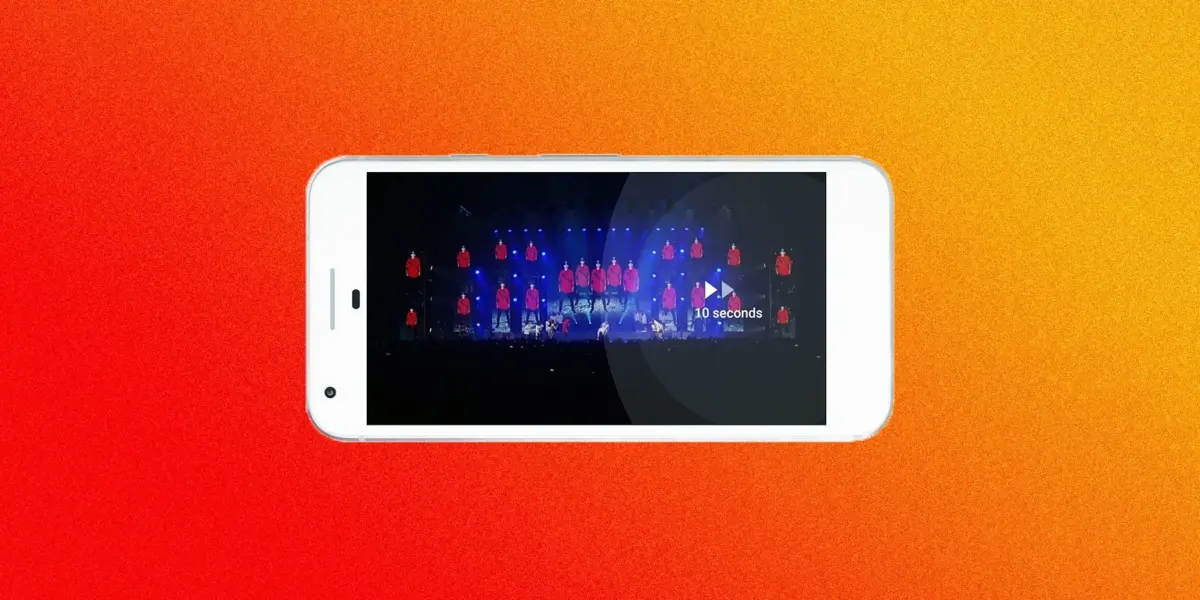
Nowhere are these changes more apparent than on the mobile application. The redesigned version completely trades away the heavy red borders of the past in favor of clean white lines, effectively allowing video thumbnails and the content itself to become the primary focus of the user experience. Furthermore, the mobile update introduces features that were previously restricted exclusively to desktop users. Viewers can now speed up or slow down the playback of a video directly from their mobile devices, and they can easily double-tap on either side of the smartphone screen to instantly rewind or fast-forward through footage.
Crucially, the new app also addresses one of the most persistent formatting complaints among modern smartphone users by handling vertical video properly. Acknowledging that mobile users naturally record and watch vertical video—and that this format is a permanent part of the digital landscape regardless of traditional cinematic preferences—YouTube has updated its player so that vertical videos finally display correctly. Gone are the frustrating black letterboxes and empty side bars; instead, vertical videos now fill the mobile screen naturally. Even when videos are not viewed in full-screen mode, the dynamic player subtly shifts and adapts to fit whatever aspect ratio or size video is currently playing, rather than awkwardly locking the user into a rigid 16-by-9 widescreen space. This updated design philosophy directly recognizes that modern content creators produce videos in a multitude of ways, and it aims to give users the highest possible degree of control over their viewing experience.

Accompanying the revamped mobile application is a brand-new corporate icon. Since the earliest days of the video-sharing site, the logo had consistently featured the black text "You" followed by the word "Tube" encased inside a rounded red rectangle. The newly minted logo simplifies this branding significantly, featuring a standalone red play button—long recognized as the company’s most iconic and universally understood signifier—placed directly next to the clean typography of the word YouTube.
On desktop computers, the new design updates the overall visual aesthetic more than it radically alters the fundamental user experience. Moving away from the traditional white content boxes layered over stark gray backgrounds, desktop users can now choose between a clean, minimalist white display or an entirely new dark, cinematic theme. Both display modes are complemented by new, simplified typography that makes reading titles, descriptions, and channel names much easier. The entire web page breathes a little better than it did previously, with the updated visual language closely adhering to Google’s established Material Design guidelines for interactive digital interfaces.
Ultimately, the overarching objective of this sweeping redesign is to subtly remove YouTube itself from the user’s conscious experience. When a viewer opens the site or app, their attention should be locked entirely onto the video they are watching, rather than getting distracted by the surrounding user interface or struggling to parse the recommendation engine humming away in the background. Whether a user is settling in to watch an indie documentary or adding yet another view to a massive pop culture moment—such as running up the server load with a fortieth consecutive view of Taylor Swift’s "Look What You Made Me Do"—these interface changes represent a tangible step forward. By stripping away visual clutter, making diverse video formats feel completely native to the player, and streamlining the discovery of new content, the platform has created a more immersive environment. Activating the new Dark Theme, for instance, makes watching high-production music videos feel even more dramatic and cinematic.
Looking ahead, YouTube leadership notes that these newly redesigned products have been constructed upon an entirely new technical framework. This foundational upgrade is designed to enable the engineering team to develop, test, and deploy new features and capabilities at a much faster pace than before. Given that the broader digital video landscape is in a state of constant, rapid flux, that agility will be essential. As internet users continue to invent entirely new ways to record, stream, watch, comment upon, and search for video content, YouTube can only maintain its status as the undisputed heavyweight of online video by continuing to adapt and keep pace with the shifting demands of its global audience.