Wildlife photography has undergone a profound transformation over the past three decades. For veteran photographers who have witnessed the shift firsthand, the medium has evolved through distinct technological epochs—from the unforgiving discipline of slide film to the expansive flexibility of digital sensors, and finally to the automated intelligence of modern mirrorless systems. Yet, despite the staggering leaps in camera technology, a compelling debate has emerged within photographic circles: has the democratization of technical excellence made it harder, rather than easier, to produce truly unique and impactful imagery?
Reflecting on 35 years in the field—including extensive experience serving as a judge for photographic clubs and salons, assessing honors for the Photographic Society of South Africa (PSSA), and chairing portfolios recognition for the Photographic Society of America (PSA)—longtime wildlife photographer Johan J. Botha suggests that a surprising amount of contemporary work remains anchored in the aesthetic standards of decades past. To understand how modern wildlife photography reached this crossroads, it is necessary to examine the technological milestones that have redefined what is possible in the field.
The Slide Photography Era
During the slide-photography period, which spanned roughly from 1993 to 2004, achieving a club gold medal or salon acceptance demanded immense technical discipline and an uncompromising pursuit of optimal lighting conditions. Typically, early morning or late afternoon light was an absolute prerequisite. In many instances, the quality of the light outweighed even compositional considerations, which routinely adhered to the rule of thirds, absolute sharpness, and the presence of a visible catchlight in the subject’s eye. Full-frame compositions or tight, uncompromising crops were the standard benchmark for success.
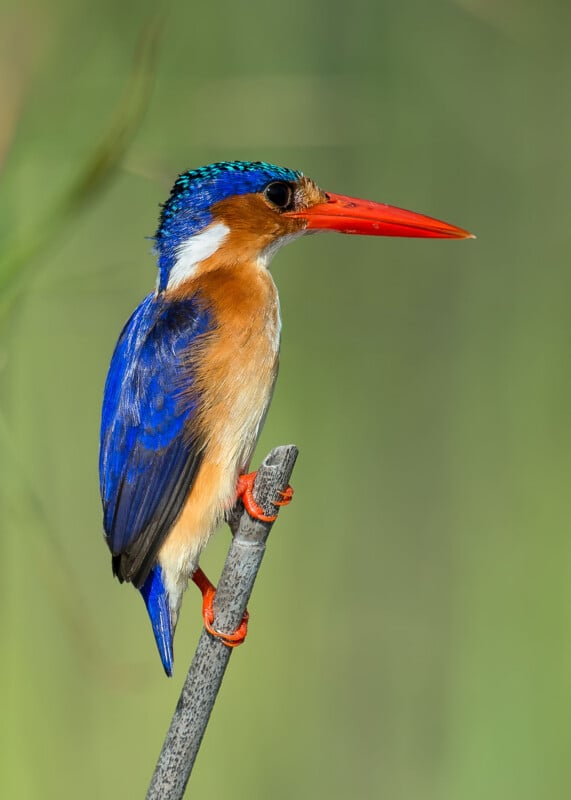
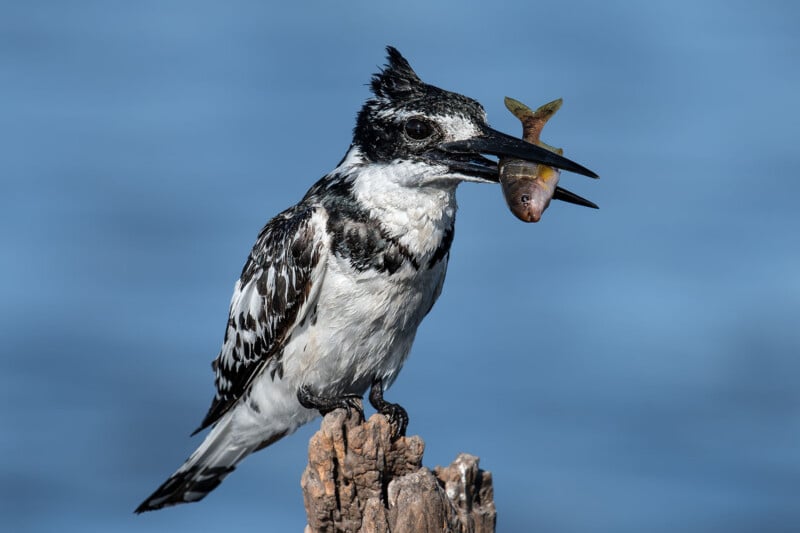
The subject matter itself was often straightforward, frequently categorized by photographers as a simple "bird on a twig" or a swimming waterbird. A classic example would be a kingfisher clutching its prey while perched on a bare branch against a clean, uncluttered background—a formula that was frequently sufficient to secure top honors in a salon.
Operating in the slide era left virtually no room for operational error. Success required a deep, intuitive understanding of the complex relationship between shutter speed, aperture, and film speed, commonly measured as ISO. Because cameras relied on manual focusing and physical film stock, photographers had to make precise calculations in the field and wait until their rolls were physically processed before discovering whether their technical execution had succeeded.
The Transition to Digital and the Mirrorless Revolution
The advent of digital photography shattered these rigid boundaries. Paired with the introduction of basic autofocus systems, digital technology opened entirely new horizons for adventurous photographers, making birds in flight easier to track and bringing dynamic action images into the mainstream. Subsequent technological leaps introduced larger, higher-resolution sensors, significantly faster shutter speeds, refined autofocus tracking, and vastly improved noise reduction at high ISO sensitivities.
Cropping became an increasingly viable post-processing tool without incurring catastrophic losses in image detail, revolutionizing how photographers approached fast-moving wildlife. The ability to shoot reliably at an ISO of 12,800 or higher represented a radical departure from the ISO 50 transparency films of the past, granting photographers the freedom to utilize extremely slow shutter speeds even when paired with heavy telephoto lenses.
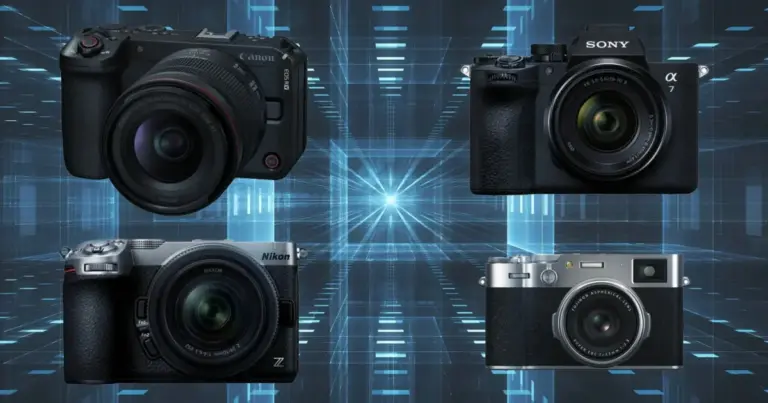
However, the true equalizer between the novice and the seasoned professional arrived with the mainstream adoption of mirrorless camera systems. Powered by advanced processors and liberated from the mechanical mirror box, modern mirrorless bodies introduced unprecedented levels of automation. Features such as sophisticated subject and eye recognition, lightning-fast autofocus tracking, pre-capture buffers, burst rates exceeding 30 frames per second, and shutter speeds soaring past 1/8,000 of a second have established a new baseline for high-end wildlife photography.
Once a modern mirrorless system is properly configured, the primary mechanical challenge for the operator is often reduced to keeping a moving subject within the viewfinder frame and pressing the shutter. Consequently, the camera no longer demands an exceptionally experienced or innovative operator to capture technically pristine action sequences, fundamentally altering the competitive landscape of the genre.
When Technical Excellence Is No Longer Enough
Because modern equipment has dramatically lowered the barrier to technical perfection, images that were exceedingly difficult to capture twenty or thirty years ago—such as a goshawk in mid-flight carrying a snake, or a heron transporting complex nesting material—are now routinely produced by thousands of photographers. This shift gives rise to critical questions regarding differentiation within the medium, and why contemporary salon submissions frequently echo the visual conventions of the historical slide era.

Part of the answer lies in institutional reinforcement. Photographers frequently encounter environments at the local club level where conventional images are consistently rewarded, and judges—some of whom may not specialize specifically in wildlife—frequently evaluate nature imagery through the lens of general photographic principles rather than the evolving standards of advanced wildlife documentation. Furthermore, the sheer complexity of modern camera menus often deters photographers from exploring the full spectrum of creative possibilities offered by their gear, leading many to default to safe, familiar aesthetics.
Navigating Competitive Environments
Navigating standard club competitions differs vastly from participating in elite international contests. Local club systems often operate on predetermined acceptance quotas, where a fixed percentage of entries—frequently between 20 and 25 percent—are accepted regardless of the absolute ceiling of quality across thousands of submissions. Under such frameworks, images that meet a baseline standard of competence can easily secure acceptance simply to fulfill statistical requirements.
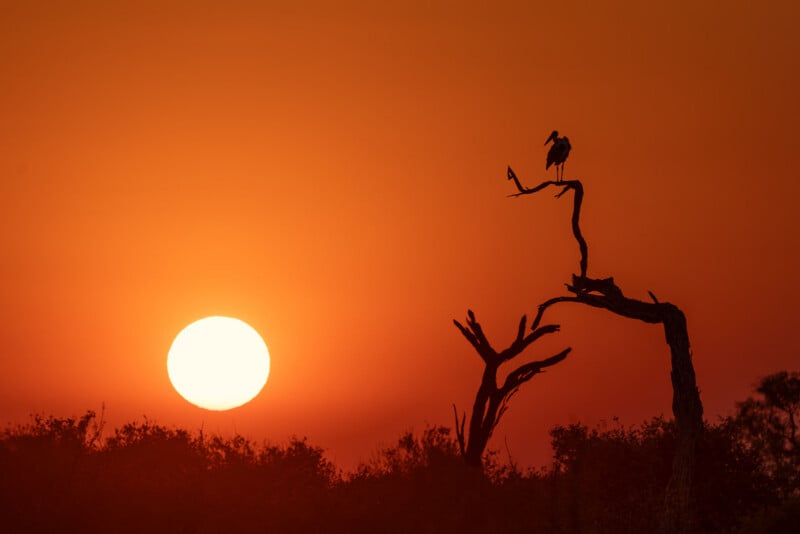
In contrast, elite international platforms—such as the Natural History Museum’s prestigious Wildlife Photographer of the Year competition—operate without acceptance quotas. Standards are dictated strictly by the caliber of the work, and the level of competition is exceptionally intense. In these arenas, being technically correct or presenting a well-exposed animal is no longer sufficient to secure recognition. Success in such environments demands distinct originality, powerful visual impact, and a clear departure from mass-produced conventional photography.
Create, Don’t Just Capture
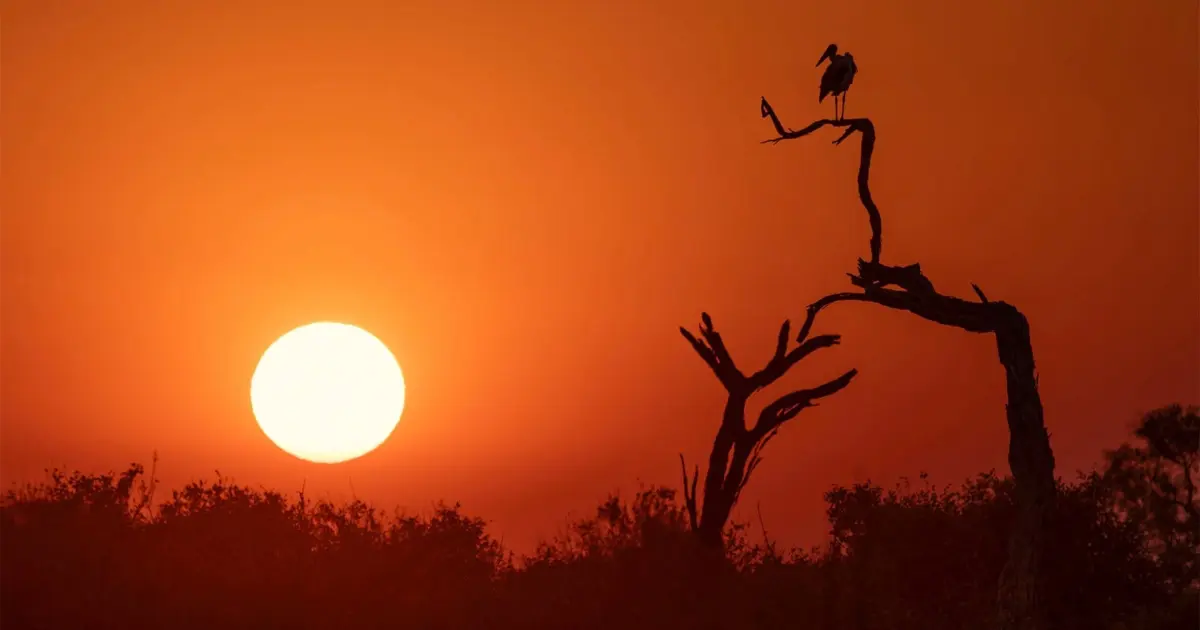
Faced with an influx of technically flawless imagery, contemporary photographers must pivot from merely capturing moments to actively creating photographs. Analyzing winning entries from major international competitions reveals a recurring theme: giving the subject adequate breathing room within the frame. Rather than defaulting to tight crops out of habit or limitations in focal length, successful photographers increasingly utilize the surrounding environment to provide vital context, atmosphere, scale, and storytelling depth.
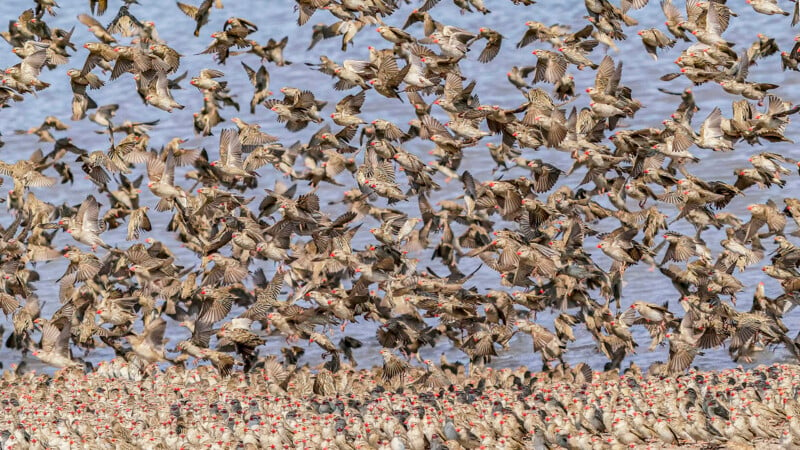
While tightly cropped frames remain valuable when direct focus on the subject is paramount, cropping is best treated as an intentional artistic choice rather than a corrective measure. The natural environment frequently enriches an image by communicating emotion and narrative, reminding viewers that the animal is often just one element of a broader ecological story.
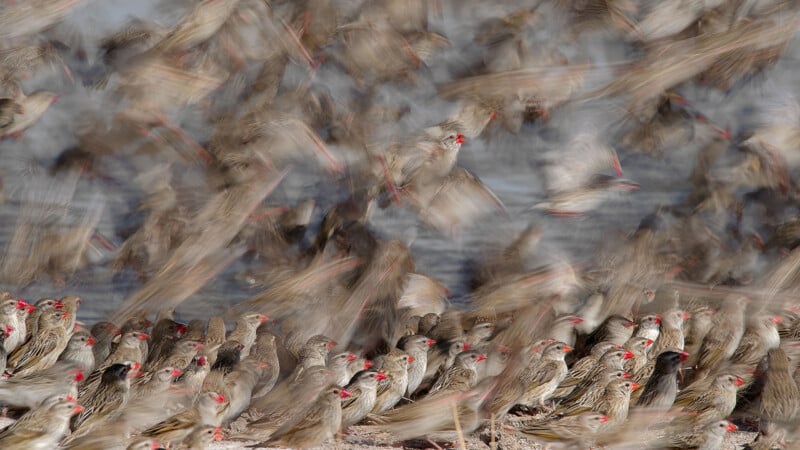
Modern camera systems excel at capturing a split second in time; the distinct challenge for today’s wildlife photographer lies in deciding how to utilize these advanced tools innovatively to paint with light, motion, and composition. By experimenting deliberately with shutter speeds, environmental context, and post-capture processing choices—ranging from high-key black-and-white conversions to intentional motion blur—photographers can elevate their work beyond standard documentation.
Ultimately, while modern technology has democratized technical proficiency, the differentiator in contemporary wildlife photography rests upon originality, vision, and meaning. Technical skill remains an indispensable foundation, but distinct creative expression is what ultimately separates a routine capture from a lasting, resonant image.