Tokyo-based designer and director Hitoshi Morita, founder of MULTRA, has unveiled his latest personal project, a mesmerizing and intricate animated short film titled "Shiritori." Released in October 2026, the piece functions as a one-man, exquisite corpse-style compilation comprising sixty seamlessly connected short clips. Produced daily over the course of two months, the project reinterprets a traditional Japanese word game through the dynamic lens of abstract motion design.
The concept behind the project stems directly from its namesake. In Japan, Shiritori is a popular word game where players must name an object or word that begins with the final sound or syllable of the preceding term. Rather than relying on linguistic rules, Morita sought to adapt this chain-reaction mechanic into a visual and temporal medium. The result is a continuous sequence of sixty distinct clips, originally posted individually on Instagram over sixty days, where each new segment deliberately begins with the final two seconds of the one before it.
The structural and creative genesis of the project began with sound rather than visuals. Morita composed and wrote two minutes of music as one continuous, unified piece before embarking on the animation phase. Working systematically, he animated the sequence two seconds at a time to match the pre-recorded audio track.
Initially, the production process followed a more conventional pipeline, involving structured storyboards mapping out the overarching chain of events. However, as the animation progressed, individual clips began to naturally drift away from the confines of the original storyboards. Recognizing the organic evolution of the piece, Morita abandoned the rigid pre-planning phase entirely, choosing instead to improvise subsequent scenes directly from the exact visual and spatial state where the previous clip concluded.

To maintain a fluid viewing experience and prevent the frequent transitions from feeling choppy, stitched together, or overly mechanical, Morita developed a specialized workflow. For certain sequences, he initially roughed out a longer stretch of action as a single, uninterrupted scene, establishing the camera movements across a broader canvas before breaking the overarching asset apart into the mandated two-second pieces.
As the short film expanded incrementally day by day, the production encountered unique hurdles, particularly during the second half of the sixty-day journey. Maintaining momentum required a conscious effort to avoid repeating previously utilized visual motifs and design ideas. Additionally, Morita had to carefully manage the pacing of the imagery to ensure the visual flow did not settle into a monotonous or predictable tempo.
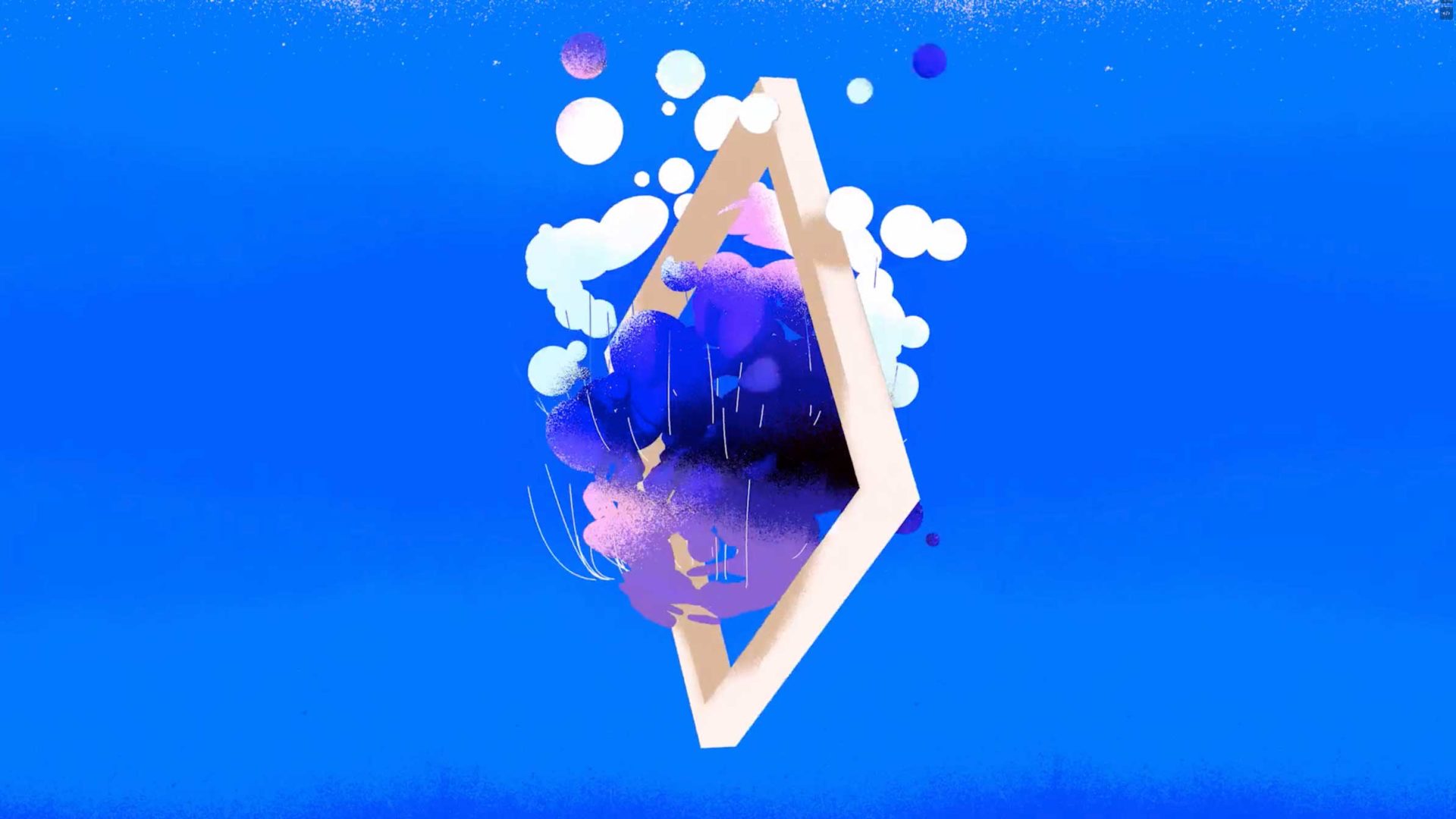
The technical execution of "Shiritori" relied on a focused digital toolkit. The animation and modeling were built using Cinema 4D, while compositing, pacing, and the integration of tactile visual details were handled in After Effects. The film was rendered at a deliberate framerate of 15 frames per second, lending it a distinct stylistic cadence, which was further enriched by organic textures layered directly within After Effects.
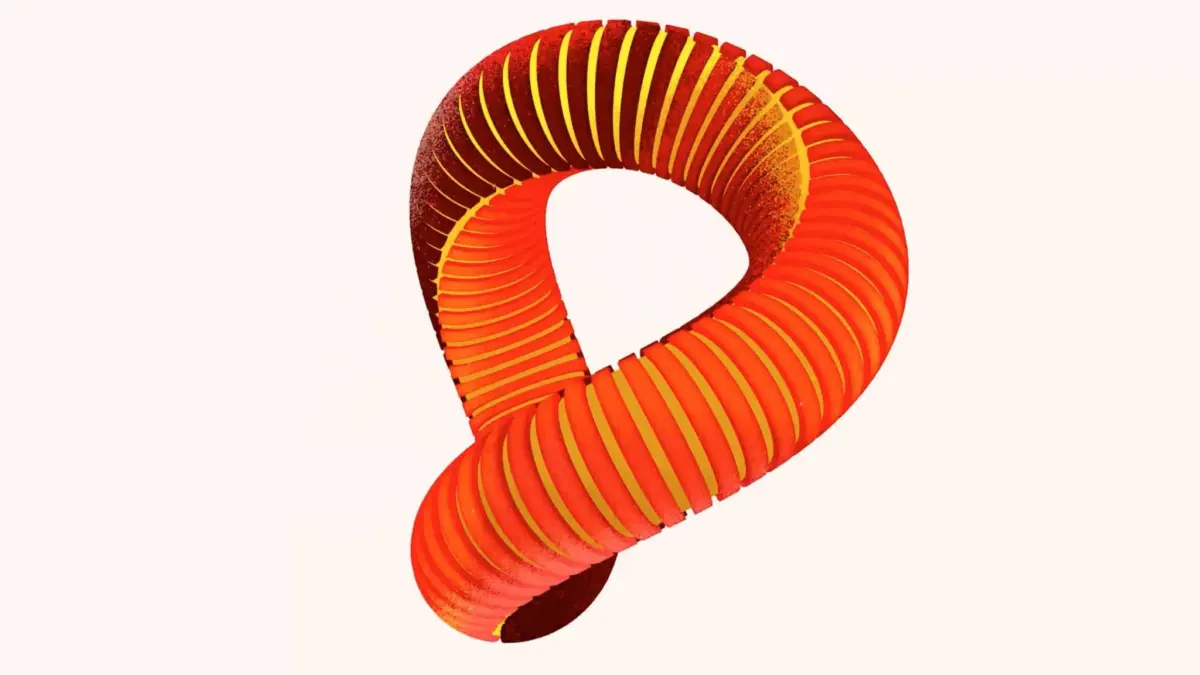
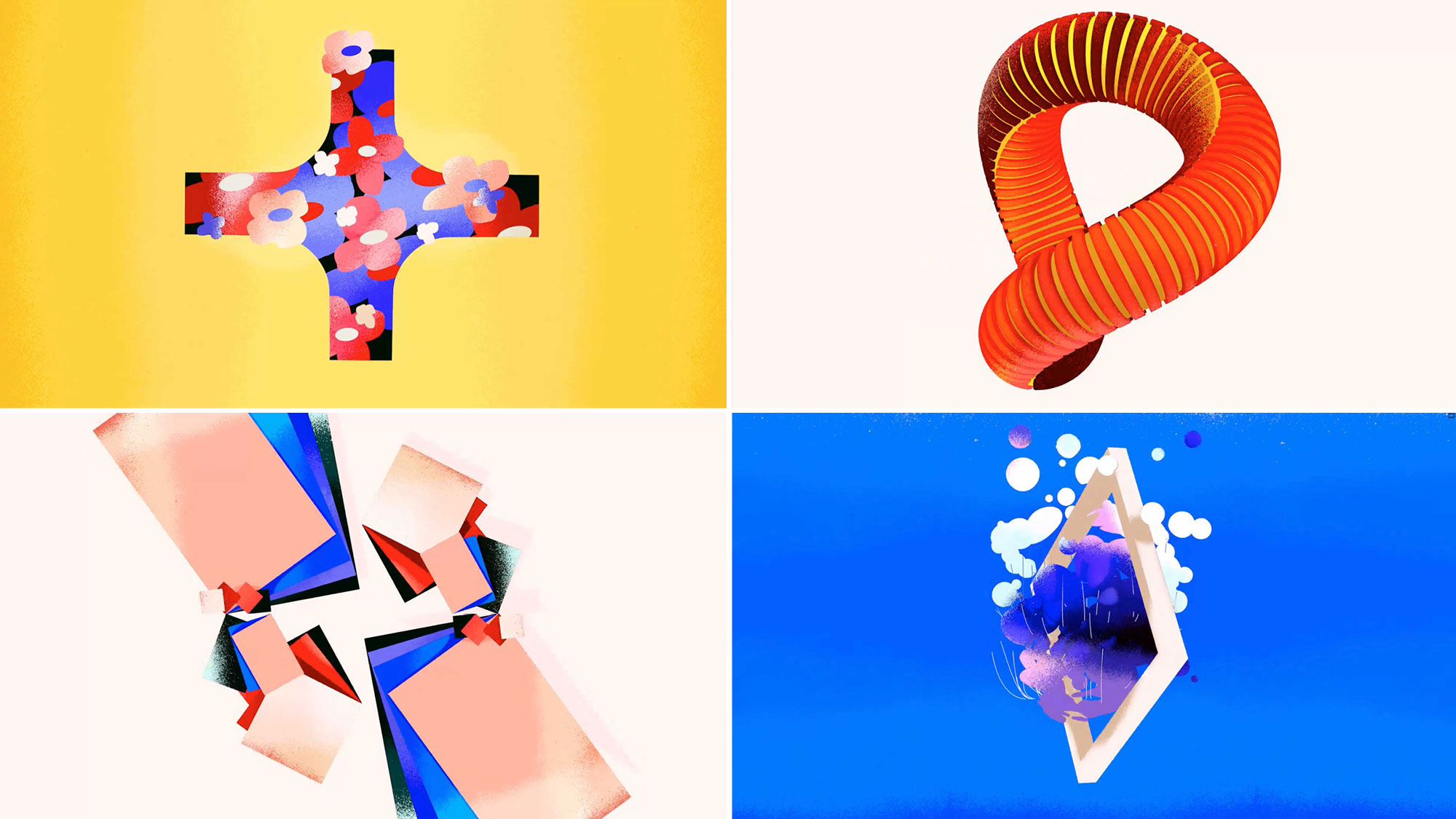
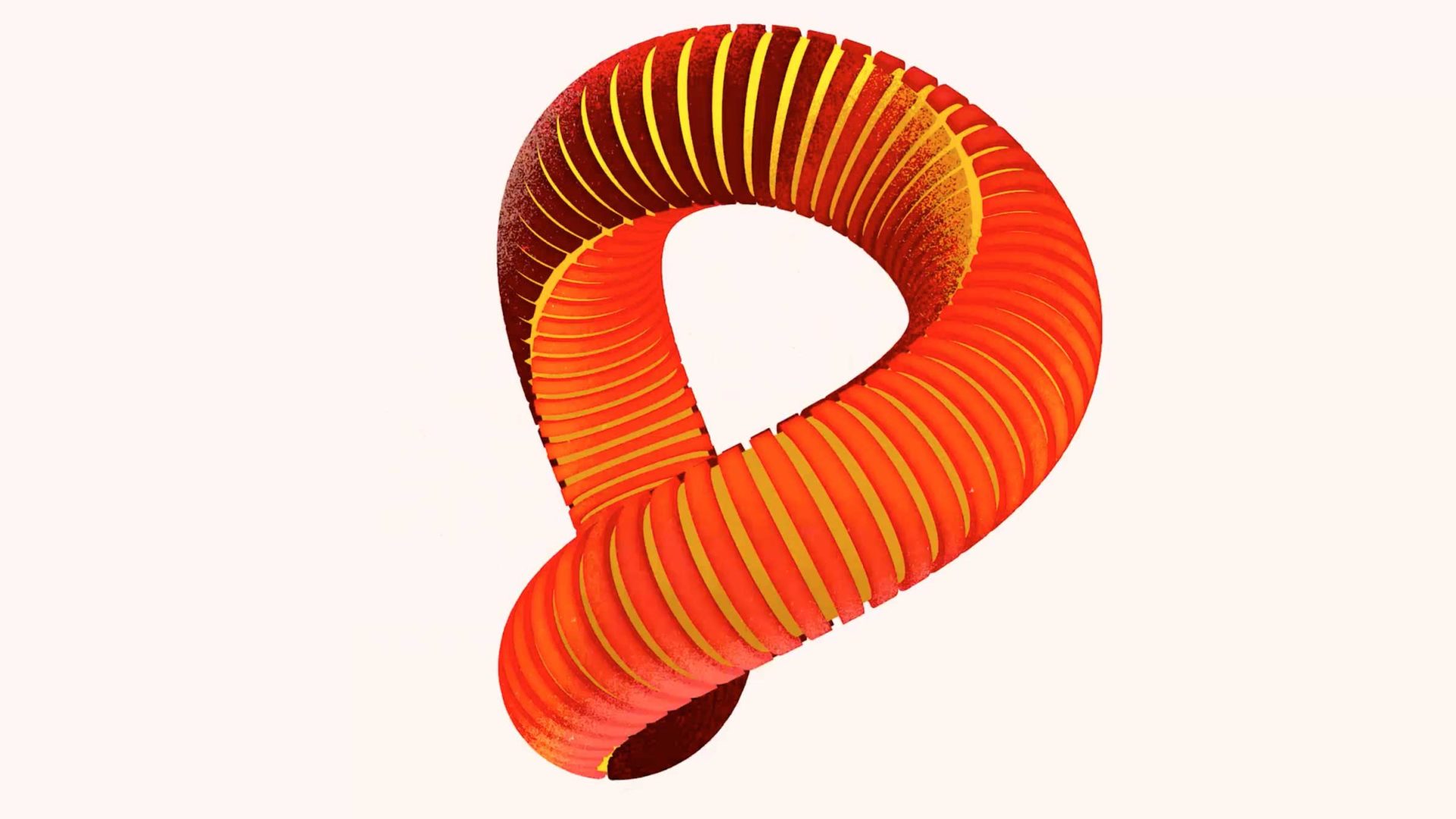
The resulting short film showcases a rich tapestry of abstract forms, shifting geometric patterns, and surreal spatial transformations. Frames from the project highlight a diverse array of visual experiments, ranging from floating blue and purple abstract shapes enclosed within stark white frames to twisted three-dimensional loops rendered in striking contrasts of red and yellow. Other compositions feature symmetrical, cross-like patterns of overlapping rectangular planes, floral motifs set against vibrant yellow backdrops, and silhouette-style hands reaching out to connect delicate threads adorned with white circles against deep red fields.
Through "Shiritori," Hitoshi Morita successfully bridges disciplined structural constraints with improvisational creativity, delivering a hypnotic exercise in transitional flow and contemporary motion design.
Credits
Director/Animator: Hitoshi Morita
Music/Sound Design: Hitoshi Morita
Toolkit: Cinema 4D, After Effects