For generations, aspiring artists have grown up under the heavy shadow of a singular, unquestioned maxim: practice makes perfect. In the traditional realm of physical mediums, where every stroke of ink on paper or swipe of paint across canvas is permanent, this adage holds undeniable weight. Without a digital safety net or a way to undo mistakes, physical mastery requires endless repetition, building the raw muscle memory needed to execute a vision without hesitation.
However, for contemporary illustrators navigating a fully digital landscape equipped with the modern magic of the "Command-Z" undo command, the traditional rules of engagement have fundamentally shifted. Digital artists no longer need to rely solely on flawless execution from the start. Instead, they have access to a vast array of alternative pathways to travel from an initial concept to a finished piece.
This technological evolution arrives at a critical juncture for commercial creatives. In today’s hyper-connected professional landscape, freelance illustrators face demands that extend far beyond the drawing board. Balancing active social media management, client communications, marketing, and the administrative duties of running a solo enterprise leaves significantly less time for traditional sketching practice compared to the eras of previous generations of artists.
This reality has prompted a provocative question among modern digital creators: Is endless sketching genuinely the best use of a professional illustrator’s time? More importantly, is it the only avenue available to elevate artistic output and unlock true creative potential?
According to professional illustrator Dave Arcade, represented by North American agency Closer & Closer, the answer is a definitive no. Arcade argues that contemporary creators possess an underutilized tool far more powerful than repetitive manual drafting: the human brain. Challenging conventional wisdom, the illustrator posits that creators do not need to endlessly practice drawing to produce superior drawings.
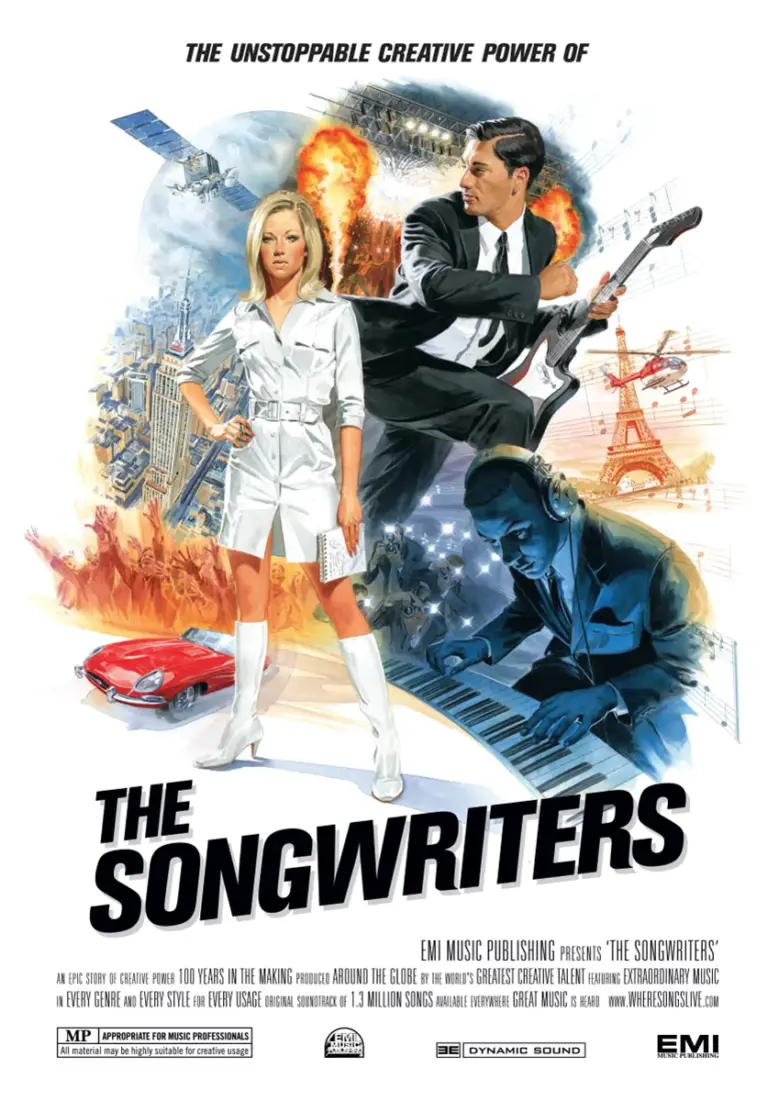
While this perspective may sound like a paradox, Arcade’s professional portfolio serves as tangible proof. Rather than dedicating precious free time to repetitive sketching, Arcade focuses on personal projects that immediately jump straight into digital execution. The genesis of these pieces does not rely on the kinetic memory of the drawing hand, but rather on the cognitive muscle of ideation—the deliberate practice of conceiving ideas before a single pixel is placed.
Arcade’s experience suggests that final illustrations achieve a significantly higher quality when creators invest more time upfront into ideating through a rough concept, rather than grinding through endless drawing practice simply to speed up the drafting phase. While drafting an idea out can consume an hour, jotting down the core concept itself takes mere seconds. Every commercial artist borrows, adapts, and strives to execute at a high professional level, but shifting the foundational focus away from traditional practice opens the door to a more efficient and refined workflow.
Rather than relying on continuous drawing repetition, Arcade has cultivated a distinct style through a strategic approach that prioritizes planning, digital integration, and conceptual clarity over raw sketching volume.
The process begins with prioritizing ideas well before picking up a stylus. This involves dedicating entire days entirely to brainstorming, writing down narrative concepts, scouring visual references, and curating inspiration boards. Establishing the intellectual framework of a piece prior to drawing ensures that every subsequent visual decision serves a distinct purpose.
Equally critical to this modernized workflow is understanding technical specifications from the outset. Arcade emphasizes the necessity of securing exact project parameters—such as aspect ratios, pixel density, and document sizes—directly from producers before beginning composition. Building a visual frame without knowing its ultimate dimensions is counterproductive, making early technical clarity essential for effective spatial planning.

To navigate spatial composition efficiently, Arcade recommends utilizing perspective grids as a foundational blueprint. Visualizing complex scenes becomes significantly easier when artists establish a structured sense of space early on, allowing them to plot out conceptual elements with mathematical precision.
When it comes to rendering complex subjects, Arcade advocates for the sensible use of visual references. The philosophy is straightforward: because artists are not spending countless hours practicing how to draw every object from memory, relying on reference imagery is both practical and necessary. While direct tracing of another artist’s original work remains a violation of ethical boundaries, referencing real-world objects or utilizing digital 3D assets to solve difficult technical challenges—such as complex human anatomy, difficult hand gestures, tricky footwear, or intricate architectural perspectives—serves as a vital shortcut for busy professionals.
Digital tools have evolved to handle elements that traditionally slow down production. Modern software features allow creators to manipulate postures, scale assets, and rotate 3D scenes effortlessly. By integrating these assets sparingly, artists can bypass hours of frustrating manual labor, reserving their physical energy for the creative decisions that truly matter.
Efficiency also extends to software and hardware selection. Arcade warns against wasting valuable time trying to manually perfect difficult vector curves within a single application when specialized tools can accomplish the task instantly. Knowing precisely which software program—whether vector-based or raster-based—best suits a specific task within a composition saves minutes that quickly accumulate into hours of saved productivity.
Similarly, hardware choices play a monumental role in supporting an efficient workflow. Whether an artist utilizes a mobile tablet or a massive desktop drawing display, committing to the gear that best aligns with a specific personal style ensures that technical limitations never stifle creative output.
Despite advocating for a reduction in traditional sketching, Arcade acknowledges that sketching remains an indispensable troubleshooting tool when a specific section of a composition stalls. When a visual element fails to cohere, the solution is not to mindlessly force the pencil, but to step back, re-engage with planning and ideation for a brief ten minutes, execute a quick sketch, and then leverage the appropriate digital tools to finish the piece cleanly.
Throughout the illustration process, maintaining a holistic view of the design is paramount. Arcade cautions against the common pitfall of zooming into an isolated corner of a canvas for hours, losing sight of overall compositional balance, scale, and hierarchy. The initial rough layout often possesses a clearer vision of the final piece than a hyper-focused digital session; respecting that early blueprint prevents overworking and unnecessary "noodling."
Ultimately, the argument is not a dismissal of sketching for those who genuinely find value and joy in the practice. For artists who rely on traditional drafting to reach their highest potential, the traditional path remains valid. However, for creators who view endless sketching as a tedious bottleneck, alternative methodologies offer a viable, highly effective path forward.
By shifting time away from redundant execution and toward conceptual planning, digital tool mastery, and strategic reference utilization, freelance illustrators can make their working hours more predictable, productive, and creatively fulfilling.