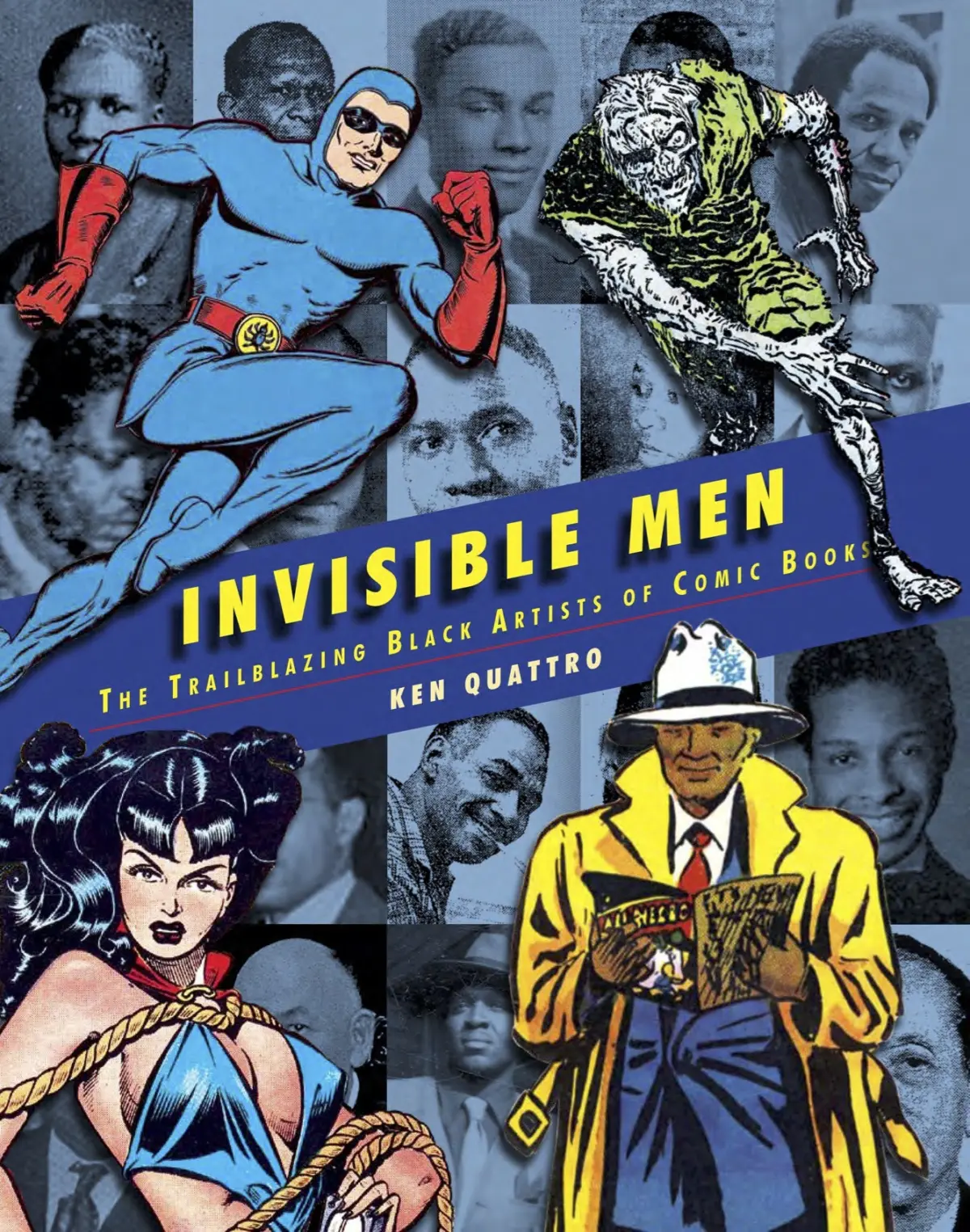
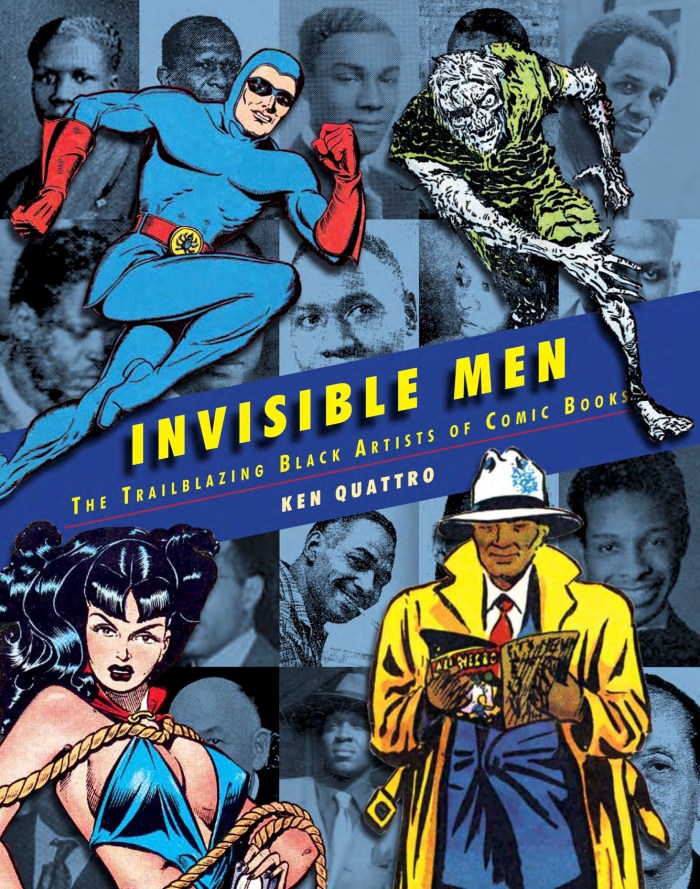
The Golden Age of comic books, spanning approximately from 1938 to 1956, is widely celebrated by historians, enthusiasts, and pop culture historians as a foundational era for the medium. During this prolific period, many of the world’s most enduring heroes were brought to life on the printed page, battling villains and capturing the imaginations of millions of readers. While the history of these classic characters and their famous creators has been extensively documented over the decades, a vital group of contributors has remained largely obscured from public view. Author and researcher Ken Quattro has finally brought these forgotten pioneers to light in his debut book, dubbing them the "Invisible Men."
Borrowing thematic elements and pluralizing the title from Ralph Ellison’s iconic 1952 novel Invisible Man—a monumental work exploring race, class, and identity in America—Quattro has spent more than fifteen years meticulously uncovering the lives and careers of 18 remarkable Black comic book artists from the Golden Age. Published by Yoe Books, an imprint of IDW, Invisible Men: The Trailblazing Black Artists of Comic Books rectifies a century of oversight, offering a long-overdue examination of artists who worked tirelessly behind the scenes without receiving proper credit or recognition.

The journey toward this groundbreaking publication began over a decade and a half ago, sparked by a brief conversation Quattro had with acclaimed Black comic artist Matt Baker. That single interaction set the trained journalist and short-form author on a rigorous archival quest. Quattro began pulling threads from an era when the comic book industry was expanding at a breakneck pace, driven by insatiable public demand.
During the height of the Golden Age, the business model of comic book publishing relied heavily on intermediaries known as "comic shops." These establishments functioned much like assembly lines or factories. As Quattro explains, publishers were selling comics in unprecedented quantities and constantly needed fresh content to keep up with the market. To meet these demands, publishers turned to comic shops, which in turn hired numerous artists and placed them in rooms equipped with drawing tables. Under intense pressure, these teams were frequently tasked with producing an entire 64-page comic book in a matter of just two days.
However, the reality of this production pipeline was markedly different for Black artists. Because of systemic racial segregation and widespread prejudice in the mid-20th century, these creators were generally not permitted to work alongside white artists in communal studio spaces. Instead, the structural arrangement required them to labor in isolation.
While Black artists could rarely secure direct assignments by walking into a publisher’s office on their own, working through these intermediate comic shops offered a workaround. They were given assignments that they could take home and complete in private. This physical separation from the central offices and the mainstream industry workspace is a primary reason why their identities, contributions, and historical footprints faded from mainstream industry records for generations.
The professional backgrounds of these overlooked creators often defied prevailing societal stereotypes of the era. While many artists of the period were self-taught, a surprising number of the Black artists uncovered by Quattro were classically trained fine artists. This created a profound societal irony: these men were highly accomplished, formally educated artists in one sphere of society, yet they were treated as practically inconsequential or invisible in another.
Among the prominent examples highlighted in Quattro’s research is Elton Fox, who was born in Baltimore in 1909 and earned his fine arts degree from Syracuse University in 1931. Another striking case is E.C. Stoner, the talented illustrator behind the famous "Nazi-punching" Blue Beetle, who received his classical artistic training at the prestigious Académie Julian in Paris, France. Perhaps the most shining example of an established fine artist who successfully navigated the commercial comic book landscape to pay the bills is Alvin Hollingsworth. Today, Hollingsworth’s dynamic comic illustrations and his fine art paintings are both highly sought-after treasures in the collector and fine art markets alike.
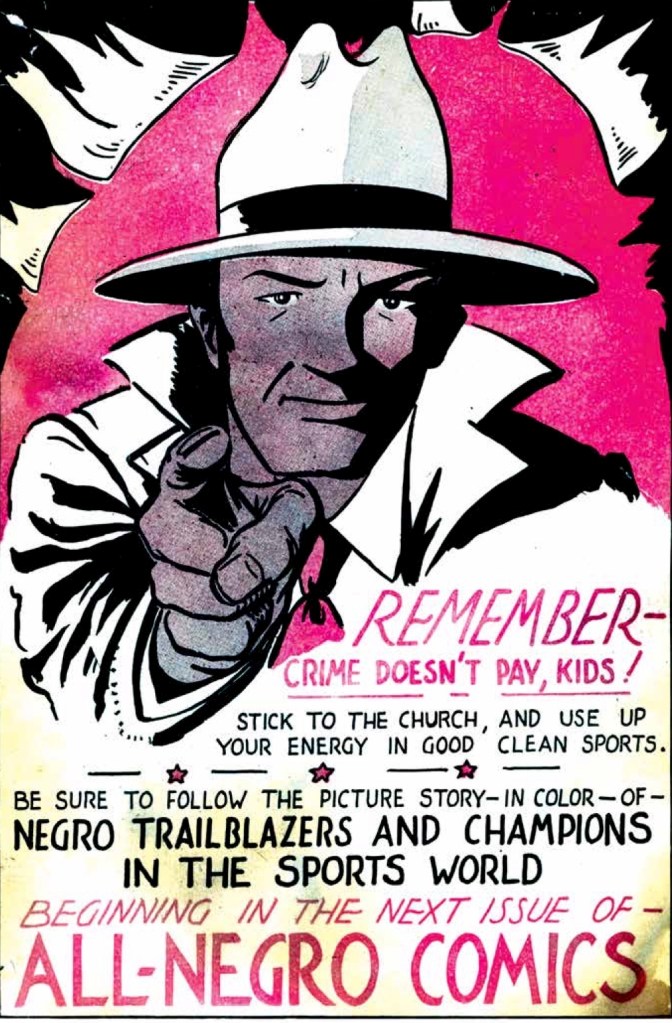
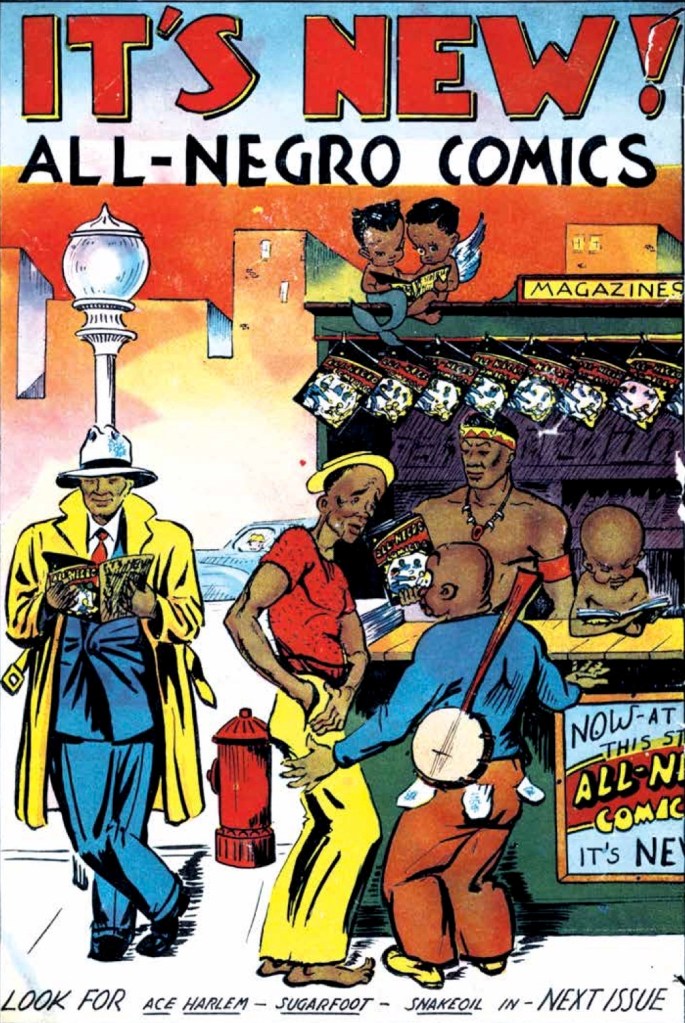
The overwhelming majority of comic book publishers during the Golden Age were exclusively owned and operated by white executives. A rare and notable exception to this industry norm was All-Negro Comics, an ambitious publishing venture launched in 1947 by journalist, artist, and visionary Orrin Cromwell Evans. Designed to showcase Black characters and stories created by Black talent, the publication broke new ground. Unfortunately, its lifespan was cut tragically short by systemic economic exclusion. As Quattro notes, when Evans attempted to secure materials to publish the eagerly anticipated second issue, white paper suppliers refused to sell him paper. Today, surviving original copies of the first and only issue of All-Negro Comics are exceptionally rare collector’s items, valued at tens of thousands of dollars regardless of their condition.
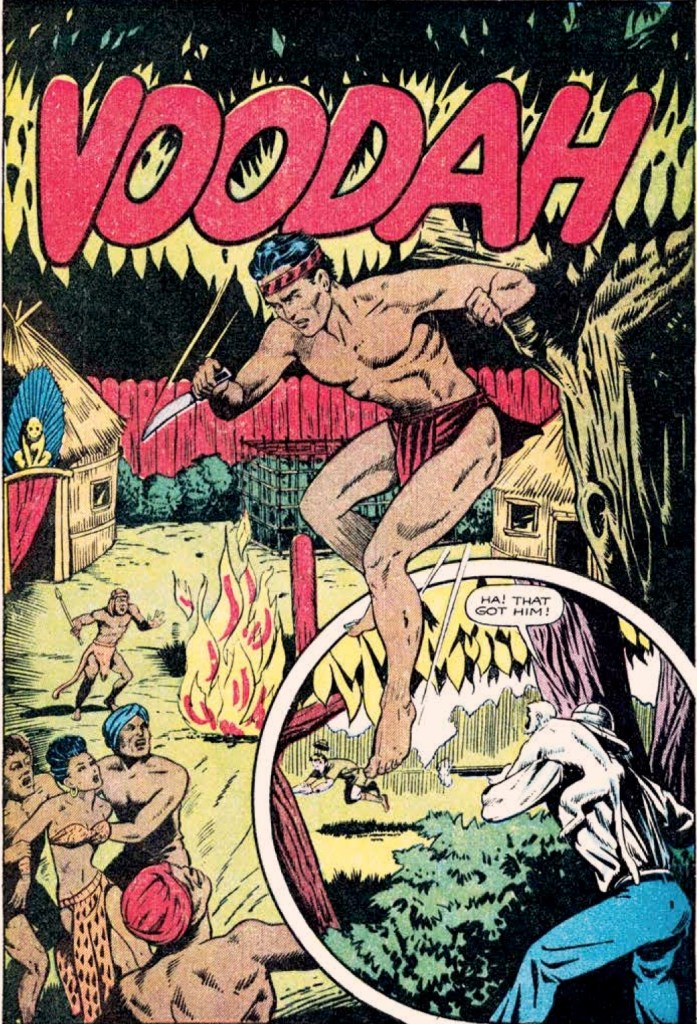
Quattro’s research also challenges long-held historical assumptions regarding milestones in diversity within the medium. Popular consensus often holds that the first Black comic book superhero did not emerge until the introduction of Marvel’s Black Panther in 1969. However, Quattro reexamines this timeline by highlighting the creation of "Voodah" in 1945 by artist Matt Baker for Crown Comics.
Voodah functioned as a Black jungle hero, a character archetype akin to Tarzan. Yet, the realities of distribution in segregated America heavily dictated how these stories were presented to the public. While Voodah was explicitly depicted as a Black character on the interior story pages, the publishers altered the character’s appearance on the covers, coloring him white for distribution. Quattro explains that this alteration was driven by the commercial realities of the American South, where newsstands would refuse to stock or display any comic book that portrayed a Black character in a positive or heroic
light.
Though these trailblazing creators may never achieve widespread household name recognition, Quattro argues that they rightfully belong in the upper echelon of Golden Age comic book legends. The roster of talent includes figures like Ezra Clyde Jackson, whose artistic legacy is preserved alongside his family history, and Owen Middleton, who rebuilt his life and forged a successful career in comic books following his release from a life sentence in prison. It includes Orrin C. Evans, who dared to pioneer independent Black publishing, and E.C. Stoner, a prominent voice of the Harlem Renaissance whose brush brought iconic heroes to life.
Invisible Men: The Trailblazing Black Artists of Comic Books is widely available through major retailers, including Amazon. However, Quattro encourages enthusiasts to support independent retailers by purchasing the book at local comic book shops, where readers might also explore titles created by Black artists.
Additional details regarding Ken Quattro’s ongoing archival research and his work as the "Comics Detective" can be found on his official website.