Costume designer Mirren Gordon-Crozier is no stranger to navigating different historical periods through clothing. Having built an impressive portfolio that includes the mid-century aesthetic of Lessons in Chemistry and the hyper-contemporary look of Margo’s Got Money Troubles, she moves fluidly across the decades. However, Netflix’s hit coming-of-age psychological drama The Body, which is set against the backdrop of a Catholic high school in 2004, presented an entirely unique set of parameters.

Unlike period pieces set generations ago, The Body landed uncomfortably close to home for the designer. “I hadn’t done that period before, even though I lived in it,” Gordon-Crozier tells Vogue. “I was about these girls’ age during that time. I sort of know all these girls, in a way. I think we all do, maybe.”

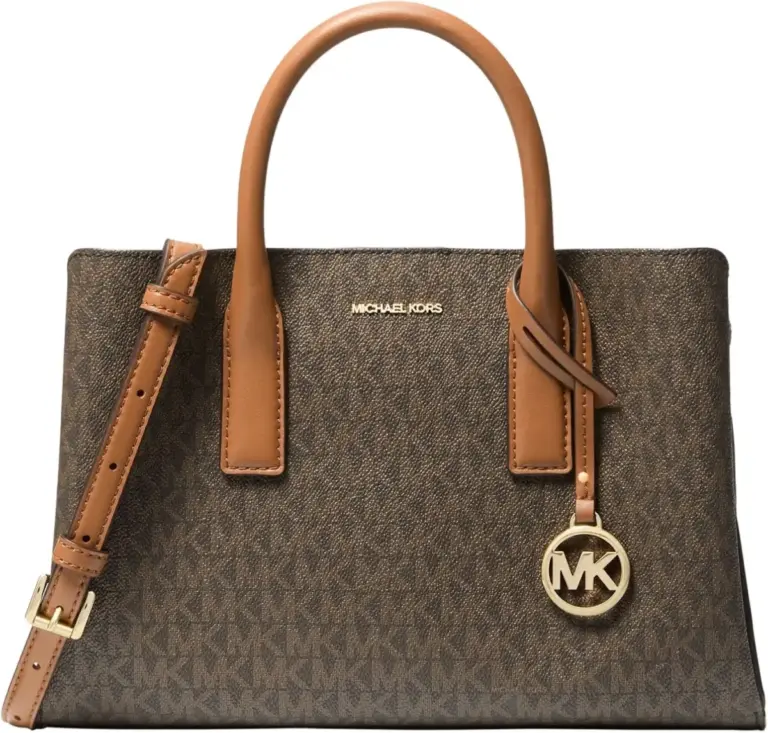
Growing up in London before moving to New York to attend the Parsons School of Design, Gordon-Crozier initially adapted to American culture by observing what signaled social status to her peers. “Having a Balenciaga bag was really important, and that was my main takeaway from college,” she jokes. That formative obsession makes its way directly onto the screen, anchored by the iconic Balenciaga City bag alongside a parade of other defining “It bags” of the era, including the Dior Saddle bag and the Louis Vuitton x Takashi Murakami Pochette.

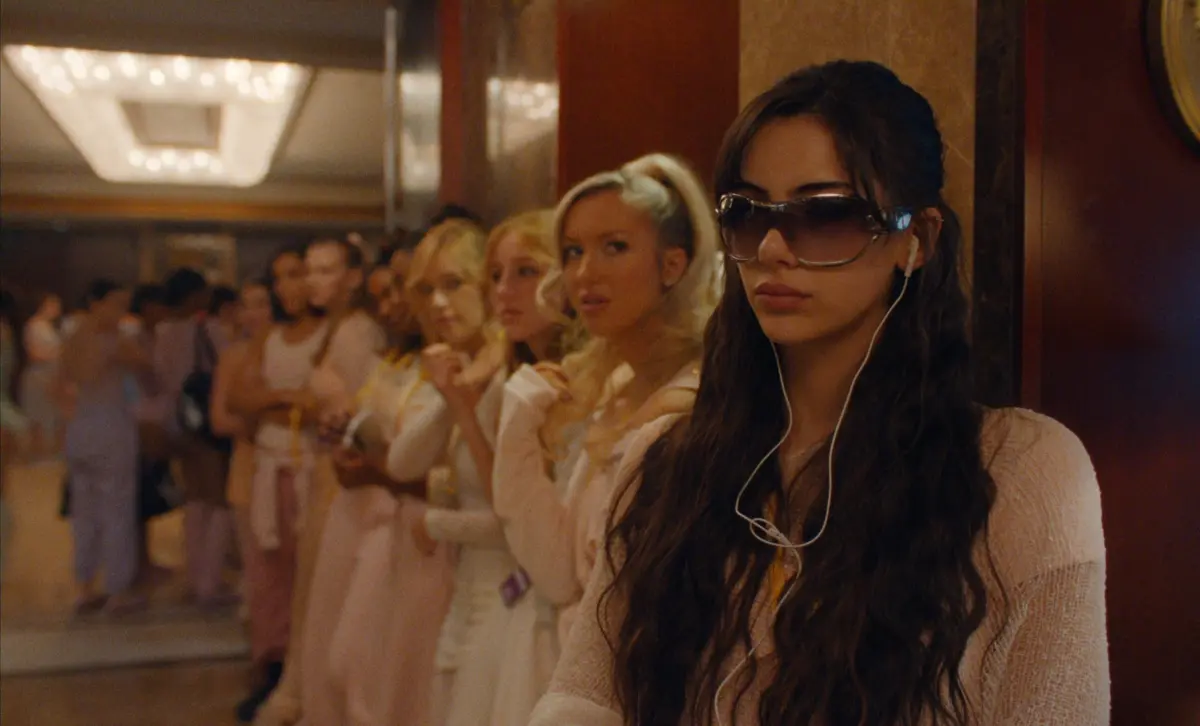
For Gordon-Crozier, the fashion of 2004 carries deep personal resonance. “Everything about that era was very important to me because it was also when I was 18 and understanding how you could bond with someone over fashion,” she reflects. This dynamic is directly mirrored in the show through on-screen interloper Lisbeth, played by Geena Meszaros, who weaponizes and adapts clothing to manage her rocky transition from a Pentecostal outsider to a member of the school dance team. Despite her sartorial shift, Gordon-Crozier points out that Lisbeth remains an outsider by the time the season closes. “I think she doesn’t really know about pop culture or any sort of contemporary references at all. I think she was just emulating whatever Anya was doing,” she explains, referencing Kristina Bogic’s character.

A formative stint at a Catholic school also heavily informed Gordon-Crozier’s design philosophy for the series. Navigating an environment where mandatory dress codes level the playing field means personal expression must be found in the smallest details. “The way to show your personal style is very minute, since everyone’s skirt has to be the same,” she notes. On The Body, just as in her own youth, characters find ways to rebel by rolling or altering their uniform skirts to manipulate the hemline, while injecting personality through high-end designer accessories and jewelry.

Yet, Gordon-Crozier and series creator Quinn Shephard deliberately imposed strict limitations to ground the visual language in reality. “We set constraints for ourselves: no makeup, no jewelry. Only religious jewelry,” she explains, stripping away extraneous accessories to highlight the rigid environment of the institution.

While everyday school life allowed for subtle rebellious styling, there was one area where zero individuality was permitted: the competitive dance floor. The Lions, the school’s high-stakes dance team, wear cutout leotards drenched in teal sequins that immediately signal the specific pressure and aesthetic of early-2000s extracurricular competitions. “The girls were not happy about those costumes, let’s just say that,” Gordon-Crozier laughs. “I’m like, You’re not supposed to be happy with them, okay?”

The inspiration for the questionable dance attire came from an unexpected, high-fashion archival memory. “I saw this image of Chloë Sevigny in a cutout black bodysuit, probably around the same year,” she recalls. “It was just with a low-waisted strappy thing—very early 2000s.” Completed with matching dance shoes, thick nude tights in precisely the wrong shade—sourced from the exact same brand that Hooters uses for its corporate uniforms—and hair rhinestones, the look hit the bullseye. “We wanted it to be as tacky as possible, like dance competitions are,” she notes.

Off the dance floor, however, Gordon-Crozier took a deeply individualized approach to styling the members of the dance team, assigning each character a specific pop culture icon or celebrity muse to anchor their wardrobe. “Anya always felt like Misha Barton and Sienna Miller, Elise had a lot of Devon Aoki, and then Maddie is Hilary Duff,” she details. “We tried to define every one of them. It just makes it easier when you’re shopping and putting looks together. Everyone has their own color palette, so they’re not really clashing.”

Gordon-Crozier shares a particular affinity for the edgier styling of Elise, brought to life by Sara Boustany. The actor’s own inclinations heavily influenced the character’s final look, steering her away from a generic Y2K caricature into something far more grounded. “Sara personally also has very similar tastes in a way: She likes dark and edgy designers like Comme des Garçons and Plein Sud and Diesel,” Gordon-Crozier says. That synergy meant Elise evolved organically during fittings rather than relying purely on mood boards. “I had references for her, but I feel like what we made was more unique. It came alive in the fittings rather than completely copying references.”