As the retail calendar gears up for another wave of major seasonal shopping events and Black Friday promotions, camera enthusiasts are facing a classic consumer dilemma: choosing between a seasoned, pro-grade performer and a fresh, retro-styled competitor. At the center of this debate are two full-frame mirrorless cameras from Canon—the established EOS R6 Mark II and the newly arrived EOS R8 Mark II.
Major retailers such as Wex Photo Video have positioned the Canon EOS R6 Mark II as a firm favorite for seasonal sales, listing the camera body for a competitive £1,699. Released initially in 2022 and subsequently succeeded higher up the product chain by the R6 Mark III, the R6 Mark II has built a stellar reputation among hybrid shooters and professionals alike. However, browsing the digital aisles reveals a compelling twist: the freshly launched Canon EOS R8 Mark II sits right beside it at a remarkably close £1,729.
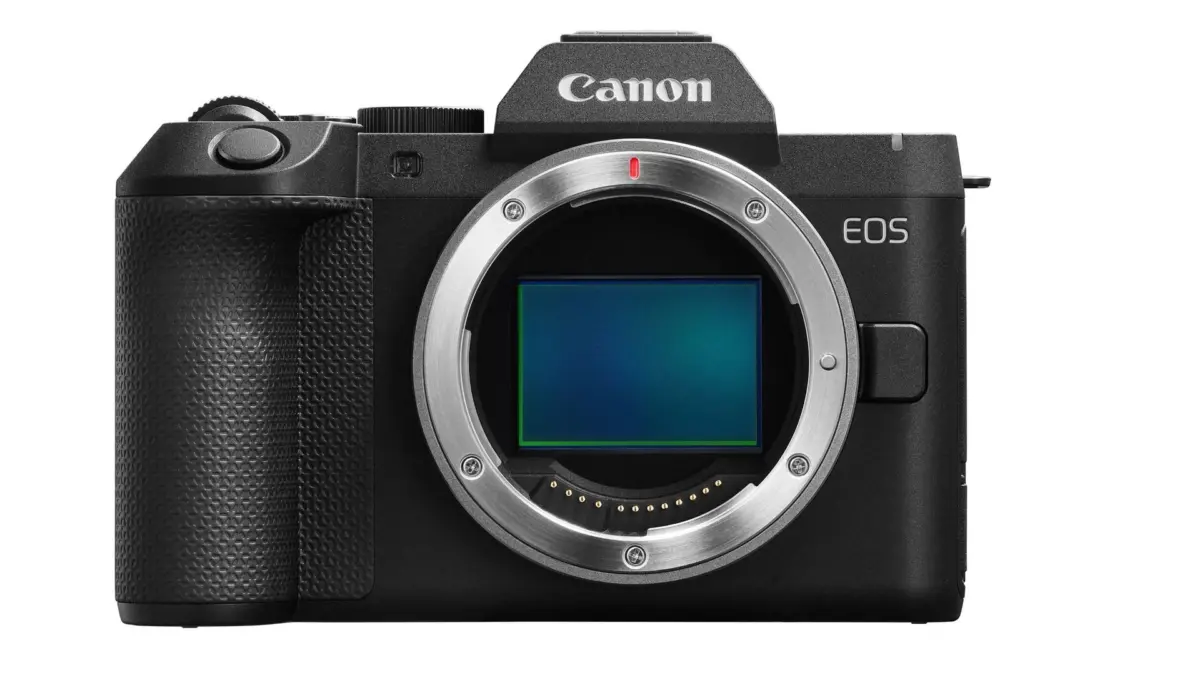
At first glance, the newer R8 Mark II presents a highly tantalizing proposition. Freshly minted and carrying a dash of nostalgic charm with design cues inspired by the classic Canon T80 film camera, it immediately catches the eye of anyone looking for modern tech wrapped in a vintage aesthetic. Yet, before the superficial appeal of the R8 Mark II seals the deal, a closer examination of the core specifications reveals a fascinating battle of compromises, where price parity masks profound differences in performance, build quality, and target audience.
A direct comparison of the specifications shows just how closely matched these two full-frame cameras are on paper, yet how drastically they diverge in execution. Both cameras are built around a 24.2-megapixel full-frame CMOS sensor paired with Canon’s powerful Digic X image processor and utilize the modern Canon RF lens mount. Furthermore, both models feature the advanced Dual Pixel CMOS AF II autofocus system, offer an identical native ISO range of 100 to 102,400 (expandable to 50–204,800), and share the same high-resolution 3-inch, 1.62-million-dot vari-angle touchscreen LCD.
When it comes to moving images, the similarities continue. Both the R6 Mark II and the R8 Mark II are capable of capturing uncropped 4K video at up to 60p, beautifully oversampled from a 6K recording area. Both models support high-speed Full HD recording at up to 180 frames per second, alongside professional color profiles such as C-Log3, HDR PQ, and 4:2:2 10-bit internal recording. Both bodies also include built-in Wi-Fi and Bluetooth connectivity and feature weather-sealed construction to withstand challenging outdoor shooting conditions.
Despite these shared foundations, the differences begin to mount when examining ergonomics, stabilization, and professional workflow support. The primary advantages of the newer Canon EOS R8 Mark II lie in its distinctly smaller and lighter form factor, alongside incremental refinements to its autofocus capabilities. While both cameras feature Canon’s acclaimed Dual Pixel CMOS AF II system, the R8 Mark II edges slightly ahead with a lower low-light sensitivity rating of EV -7.5 compared to the R6 Mark II’s EV -6.5. Additionally, the R8 Mark II introduces advanced autofocus features such as Register People Priority, making it exceptionally adept at tracking specific subjects in dynamic environments.

However, once you look beyond autofocus and portability, the older Canon EOS R6 Mark II consistently matches or surpasses its newer sibling across almost every other metric. Image stabilization is a prime example. While the R8 Mark II incorporates 5-axis digital stabilization offering up to 7.5 stops of correction, the R6 Mark II features full 5-axis In-Body Image Stabilization (IBIS) capable of delivering up to an impressive 8 stops of compensation when paired with compatible stabilized RF lenses.
For professional video creators, the R6 Mark II retains a definitive upper hand by supporting external 6K 60p ProRes RAW video output via HDMI—a feature entirely absent on the R8 Mark II. Photographers who rely on redundancy and high-speed shooting will also find the R6 Mark II far better suited to demanding assignments. It is equipped with dual SD UHS-II memory card slots, whereas the R8 Mark II makes do with a single slot. The R6 Mark II also delivers double the maximum mechanical shutter burst speed, shooting at 12 frames per second compared to the R8 Mark II’s 6 fps, while matching both cameras’ ability to hit 40fps using the electronic shutter.
Physical build and endurance further separate the two models. The R6 Mark II boasts a larger, more substantial electronic viewfinder, utilizing a 3.69-million-dot 0.5-inch OLED panel running at a smooth 120fps, contrasted with the R8 Mark II’s smaller 2.36-million-dot 0.39-inch EVF. Crucially, battery performance heavily favors the larger body; the R6 Mark II yields approximately 320 shots per charge using the viewfinder, while the smaller battery and compact chassis of the R8 Mark II limit it to around 150 shots under similar conditions. In terms of physical dimensions and heft, the R6 Mark II measures 138.4 x 98.4 x 88.4mm and weighs 670g with a battery and memory card inserted, whereas the R8 Mark II is trimmed down to 131.4 x 90.0 x 79.7mm and weighs a much lighter 546g.
For buyers looking to stretch their budgets even further, the used market offers additional alternatives. The Canon EOS R6 Mark II can be found at pre-owned specialist retailers like MPB starting from £1,279, presenting an even more attractive entry point for a camera of its caliber.
Ultimately, the choice between these two capable full-frame systems depends entirely on individual priorities. For photographers and videographers who value cutting-edge autofocus features, a lightweight and portable form factor, and eye-catching retro styling, the Canon EOS R8 Mark II serves as an appealing modern mirrorless tool. Conversely, for shooters who prioritize robust professional appointments—such as dual card slots, superior battery life, uncompromised mechanical burst speeds, advanced IBIS, and external RAW video capabilities—the Canon EOS R6 Mark II remains an exceptionally powerful and increasingly cost-effective investment.