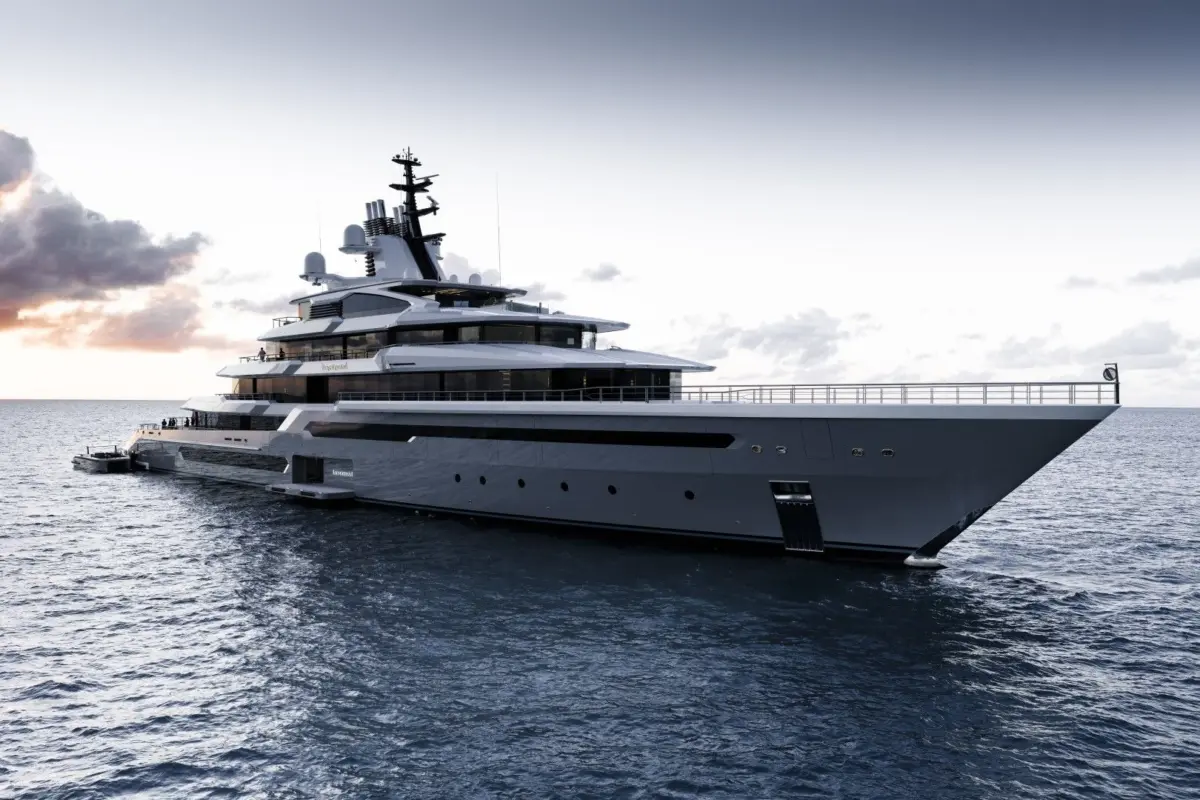
When it comes to the rarefied world of ultra-luxury superyachts, excess is typically measured in gold plating, imported marble, and the rigid separation between the ultra-wealthy owner and the staff working behind the scenes. However, a recent in-depth walkthrough by the industry experts at the Superyacht Times has revealed that the 111-meter vessel Leviathan, owned by Valve co-founder Gabe Newell, takes a drastically different approach to seaborne opulence. While the ship certainly boasts the kind of high-end amenities expected from a vessel of its scale, its most defining characteristic is an unprecedented commitment to the well-being and comfort of the crew that keeps it operational.
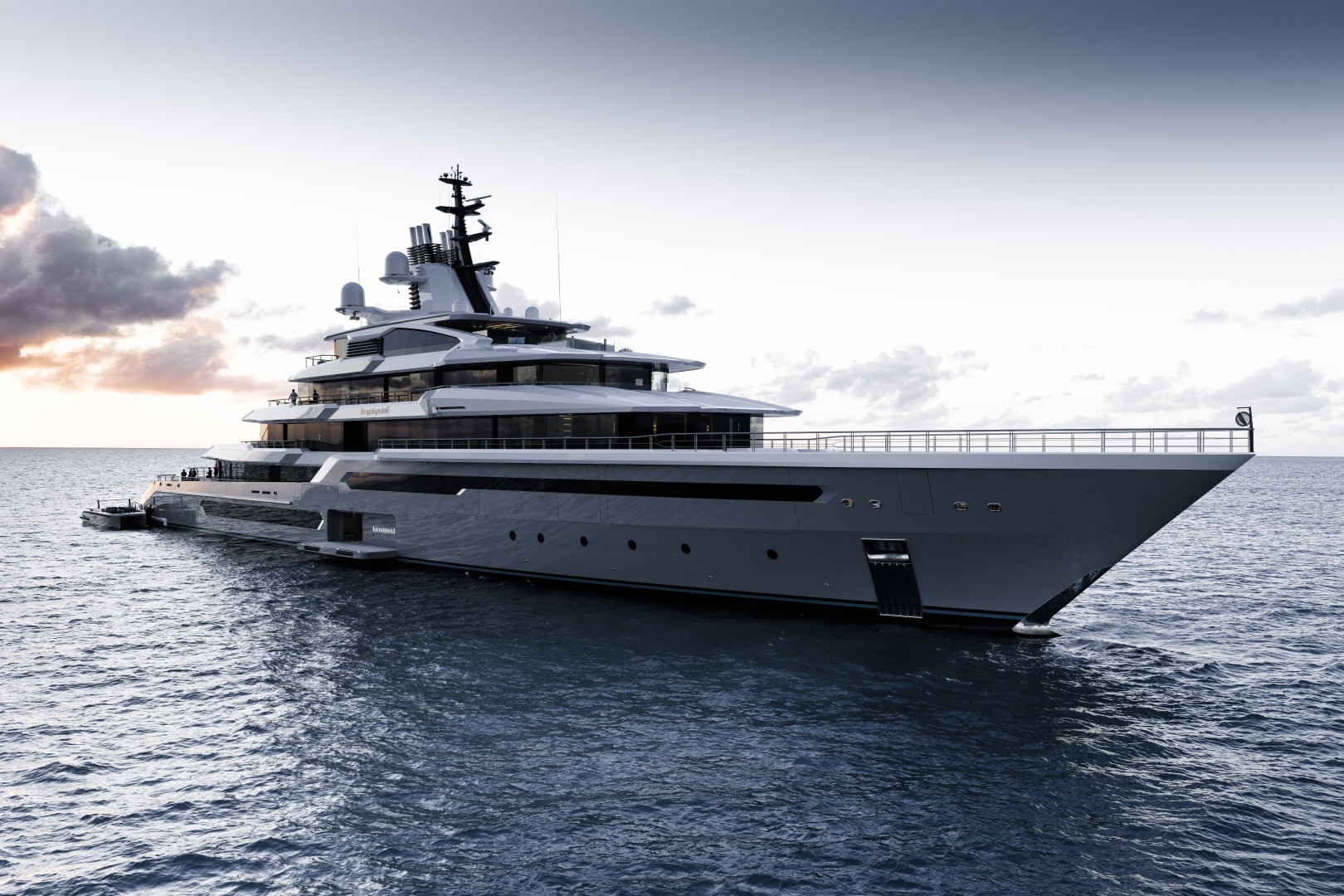
Constructed by renowned Dutch yacht builder Oceanco, the Leviathan immediately stands out among elite maritime vessels for a variety of unconventional features tailored to its billionaire owner’s distinct lifestyle. Rather than sticking strictly to traditional design paradigms, the ship incorporates elements designed for practicality, recreation, and unusual hobbies. Aft on the vessel, one can find a specialized pool explicitly built for SCUBA testing, allowing for underwater exploration preparation directly from the deck. Athletic pursuits are equally well accommodated via an NBA-regulation basketball court installed onboard, while a luxury Aston Martin is famously parked on the helipad. Furthermore, in a departure from the industry standard, the ship largely forgoes traditional high-maintenance teakwood decking in favor of modern, easier-to-clean synthetic flooring, prioritizing functionality over classic aesthetics.
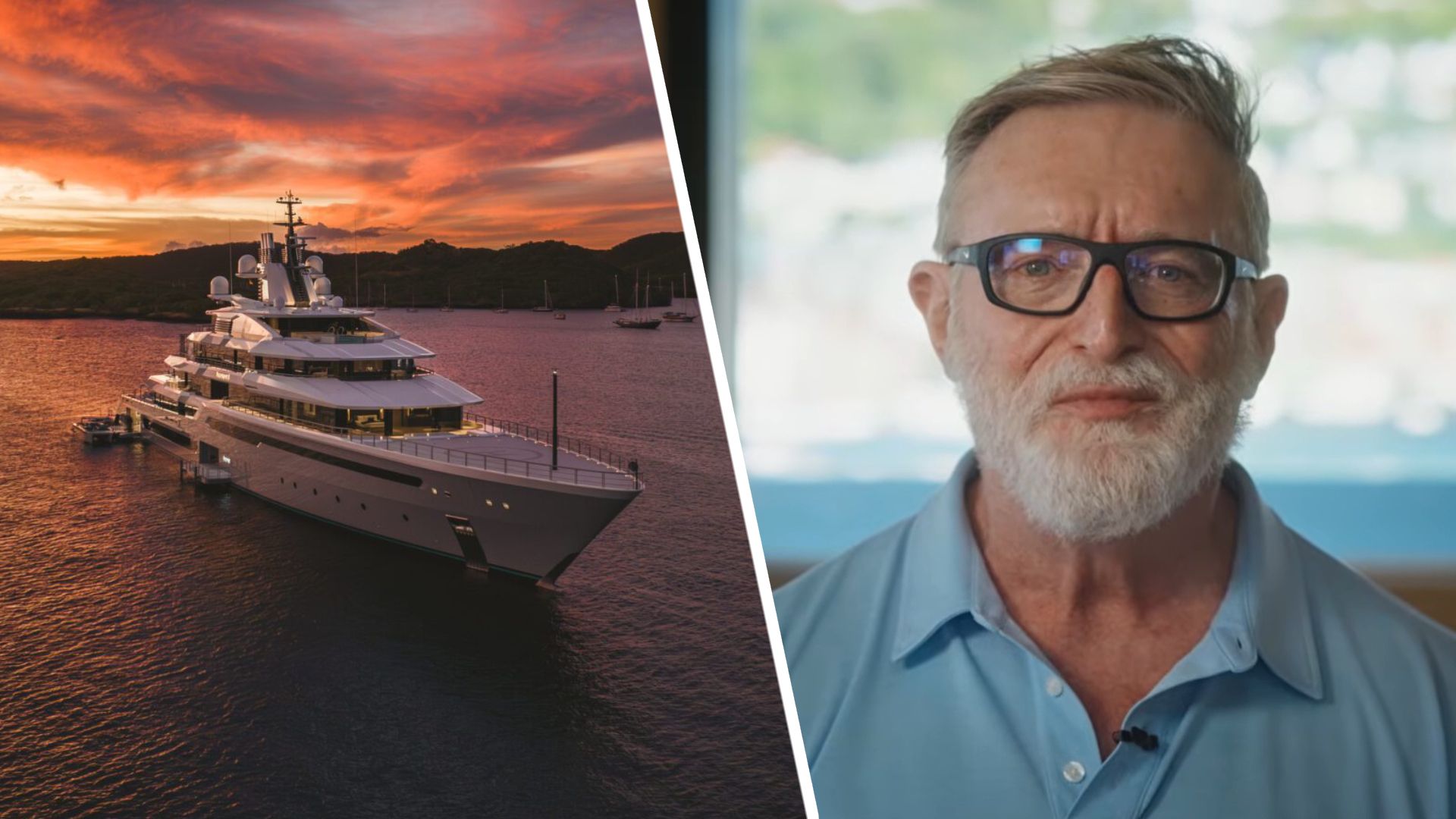
Yet, despite these eye-catching inclusions, the maritime experts who toured the ship were most struck by a fundamental philosophy that guides its day-to-day operations: Newell’s willingness to integrate his crew into the high-end living spaces typically reserved exclusively for owners and elite guests.
During the video walkthrough hosted by Superyacht Times, editor-in-chief Francesca Webster highlighted the vessel’s unusual interior layout upon entering the main deck. Instead of featuring the grand, traditional saloon that typically greets visitors as the primary point of contact upon entering a superyacht’s interior, Newell opted to dedicate this prime real estate to the crew mess.
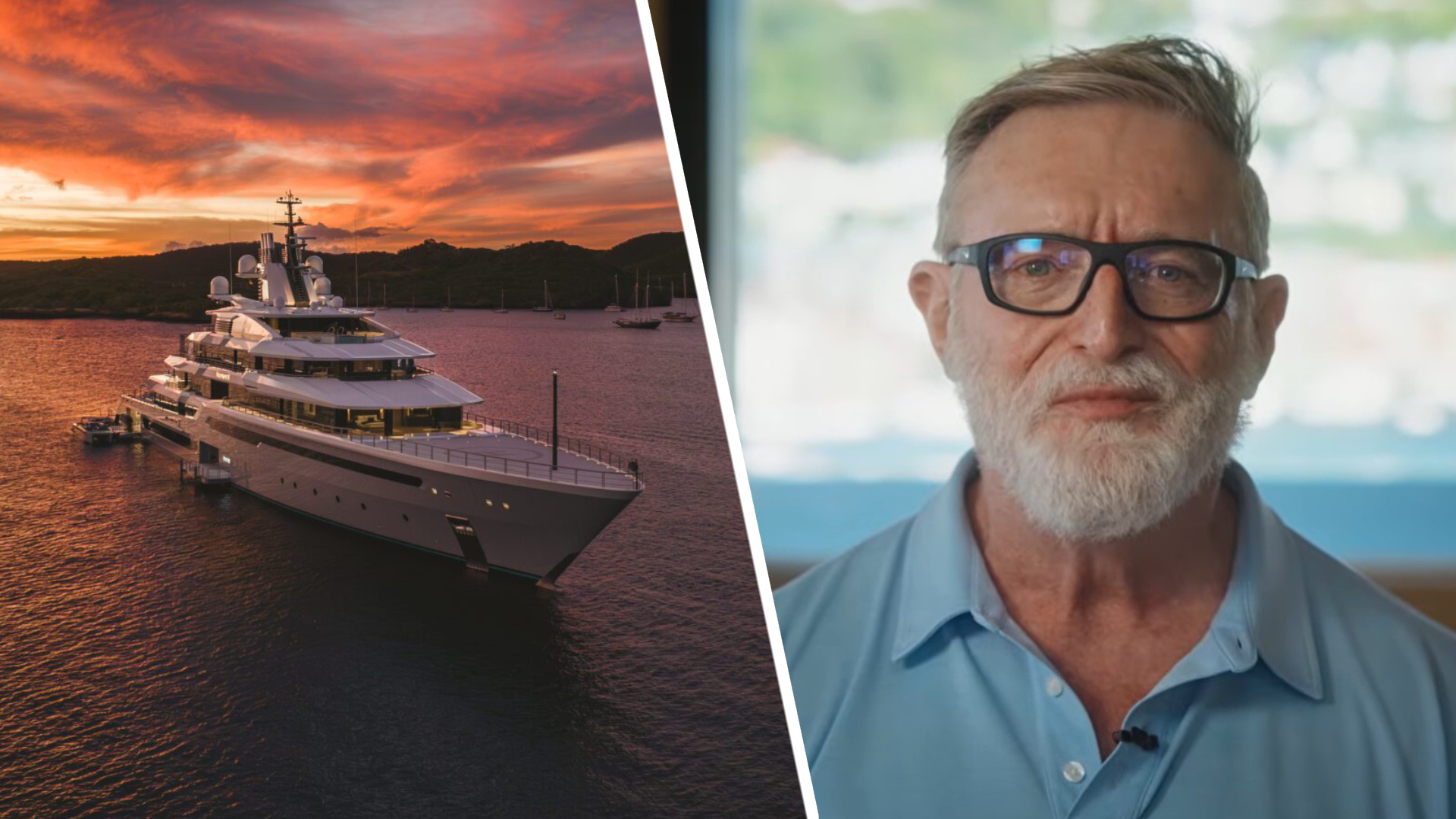
Rather than relegating staff members to cramped, utilitarian quarters away from natural light and communal comfort—a practice that remains all too common across the luxury yachting industry—Newell shares his daily dining experiences alongside the crew. According to the reporting by the Superyacht Times, this egalitarian approach to communal spaces on board makes Newell a distinct anomaly among major yacht owners, fostering a culture centered on shared experiences rather than rigid hierarchy.
This philosophy extends well beyond the dining area and directly into the vessel’s sleeping quarters. Moving up to the owner’s deck, the walkthrough revealed a series of VIP cabins designed with a level of luxury that would rival a top-tier five-star hotel. However, in another stark break from convention, these lavish VIP suites are not kept empty awaiting high-profile guests; they are also regularly utilized by the crew.
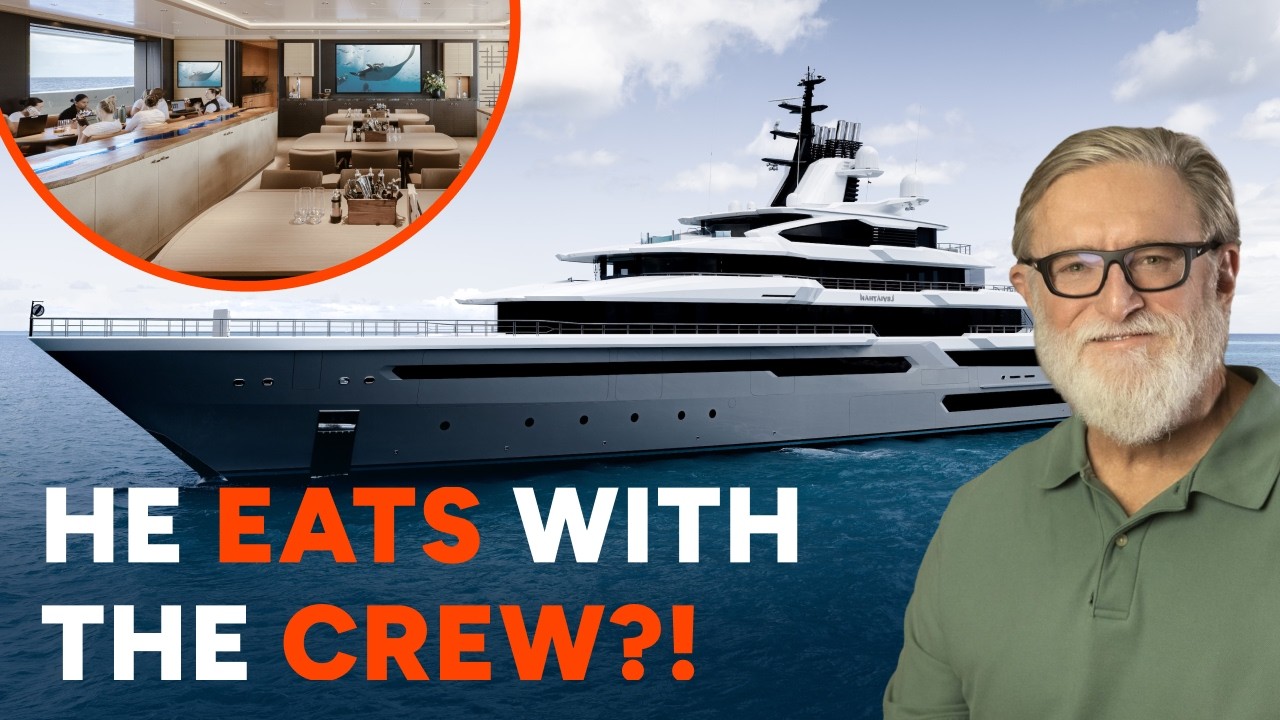
Such a radical departure from standard maritime conventions reportedly caught the vessel’s designers at Mark Bryman Design off guard. According to industry observations, translating Newell’s vision into a physical layout presented an incredible design challenge, but it ultimately provided an exciting opportunity to rethink the traditional ownership experience and turn conventional luxury yachting norms completely on their head.
The integration of crew and guest spaces is further underscored by the inclusion of a dedicated gaming center onboard the Leviathan. Outfitted with 15 high-performance personal computers, the room is designed to be shared equally by the crew, visiting guests, and Newell himself, offering a communal space for entertainment that reflects the tech mogul’s deep roots in the video game industry.
This unconventional investment in crew satisfaction appears to yield tangible results in staff retention. While the superyacht industry typically sees high turnover rates, with crew members remaining at their posts for an average of six to nine months, staff aboard Newell’s vessels tend to stay for an average of four and a half years. It is a striking metric that speaks volumes about the working environment fostered on board, proving that treating maritime staff with respect and granting them access to top-tier accommodations can dramatically alter the dynamics of life at sea—even if the owner’s eclectic interests occasionally lean into unexpected phases like Mongolian throat singing.