By Mark Stutzman
The advent of a global pandemic abruptly and fundamentally altered the interpersonal relationships that have long defined the creative team experience. Yet, professionals living on the edge of conventional work structures proved remarkably pliable and technologically skilled, seamlessly migrating their demanding work disciplines straight into their home environments. Suddenly, the entire creative industry—much like countless other sectors—was thrust into a decentralized lifestyle characteristic of freelance work, tethered together almost exclusively by Wi-Fi connections and a shared sense of self-governance.
Today, illustrators and art buyers share an independent commonality unlike anything seen in decades past. Ever since the golden age of illustration in the 1930s, the operational dynamic between the maker of the art and the buyer has been distinctly distinguishable and separate. An artist’s day-to-day life historically stood in stark contrast to the office-dwelling cohorts who paved the way for anticipated artwork. Outside talent would occasionally make the pilgrimage to a corporate workplace to share a physical portfolio, aiming to make a lasting impression and secure a new assignment.
Regardless of the medium or how a product or service is ultimately sold, illustration consistently emerges from a joint, collaborative interest in bringing something entirely new and unique into the world. The direct, one-on-one exchange between art directors, art buyers, clients, editors, producers, film directors, and ideally the artist remains a vital crucible for creative synergism. This treasured collaboration serves as fertile ground for inventing and reflecting memorable images of our shared identity. Our cultural narratives, societal dynamics, and collective aesthetics continue to provide the raw materials for exceptional illustrations.
In eras past, beyond the fading tradition of the in-person interview, art directors relied heavily on a physical Rolodex—the precursor to today’s digital contact lists—alongside artist directories and direct-mail promotional pieces to stay abreast of emerging trends and fresh talent. Portfolio review days, which essentially functioned as a form of speed-dating for creatives, were immensely popular ways to streamline the search for new talent and forge bonds with practitioners outside the traditional office walls. The landscape has always been fiercely competitive, and cultivating up-and-coming talent or employing seasoned veterans has long been a proven path for art directors and designers to earn prestigious industry awards and recognition.
Finding that talent, however, remains a daunting and ongoing challenge, according to Eng-San Kho, a partner at Love & War, a small but chic Manhattan-based branding agency. He vividly remembers a time when his office was routinely inundated with physical sales sheets and promotional postcards from artists and photographers. These promotional items generally fell into three distinct categories: some samples were discarded immediately, others were saved for a rainy day, and a select few were pinned directly to the studio walls. Today, online search engines make the initial discovery phase somewhat easier for art directors like Kho, but the modern task of sifting through endless options, digital portfolios, and complex search criteria can still become all-consuming.
As contemporary art directors and buyers cull the internet in search of viable talent, the proliferation of stock catalogs and in-house digital imagery continually threatens commissioned work.
“If we’re up against a tight deadline, we often rely on stock photography,” Kho explains. “The cost of licensing existing art versus commissioning new art is often easier.”
In many cases, the authentic touch of an artist’s hand can be substituted with cobbled-together imagery and the various digital tricks of the trade. Although these assemblages can look polished on the surface, a generic collection of stock elements inevitably pales next to the genuine magic that emerges from deeply collaborating minds. A stock asset may fill a vacant space on a layout without the agency needing to commission outside services or expand its creative profit margins, but it often lacks a soul.
Kho further explains that some clients may simply lack the capacity to handle the nuanced creative process that comes with commissioning original work. Managing an artist can impose greater operational demands than certain clients can professionally handle. However, when an agency has someone on staff who is intimately familiar with developing original concepts for illustration, they can effectively coach coworkers and clients through the process, turning it into an enjoyable and deeply exciting endeavor.
The digital age is now firmly established as a permanent staple of everyday life, crossing every demographic boundary. Consequently, standing out in the marketplace is increasingly difficult when every designer across the globe has access to the exact same suite of software tools and stock imagery libraries. This has led to a noticeable visual sameness—an aesthetic that safely rides the current trend while entirely missing the individuality that comes from fabricating art completely out of thin air.
Interestingly enough, this pervasive dearth of originality is actually carving out a renewed place for traditional illustration. Some forward-thinking firms are actively engaged in reviving the tradition of print media and physical product premiums, allowing them to reach audiences with a tactile advantage that their digital-only competitors simply cannot afford. There is a growing, palpable awareness and appreciation for traditional visual media, as well as a hunger for hand-crafted art amidst a digital glut of software effects designed to merely resemble authentic illustration.
Technology connects everyone instantly, but the convenience of a single click can also construct a virtual wall characterized by single-dimension communication. It is entirely possible today to work on a project from its initial conception to final delivery without ever speaking to a collaborator in person—yet professionals must avoid falling prey to this isolating trap. Every single project represents a unique opportunity to foster camaraderie, mutual trust, and genuine inspiration between creative services, and the final product invariably benefits from these deeply human tenets.
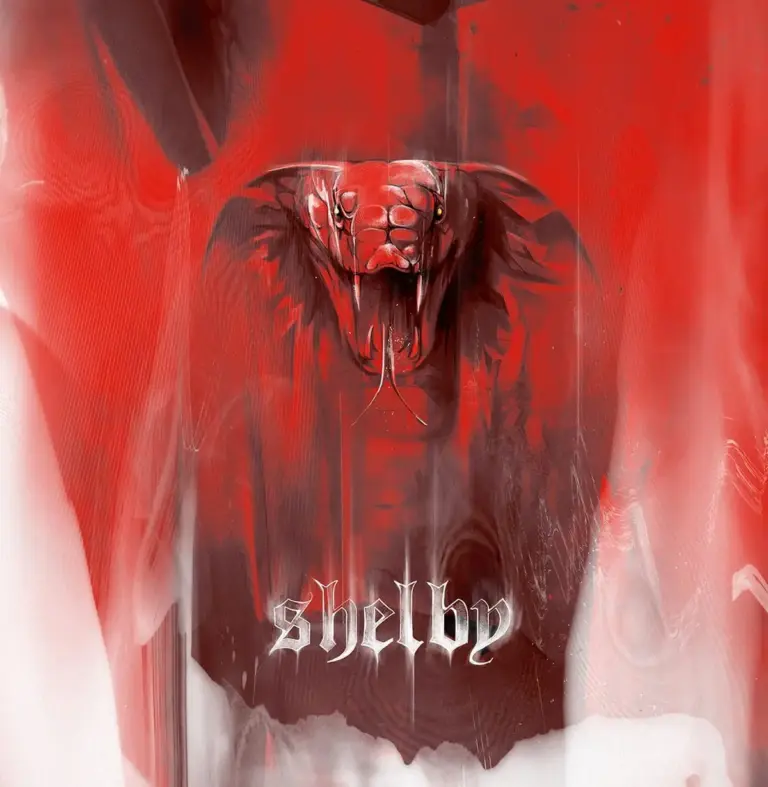
Greg Burke, Senior Creative Director at Atlantic Records, is constantly searching to see what visual talent is available to him, knowing full well that talent acquisition is never a one-size-fits-all proposition. He is tasked with the complex, multifaceted role of developing visual continuity for top recording artists across multiple platforms. Developing cohesive imagery, album packaging, and merchandise is a intricate labyrinth riddled with subtle artistic choices. The nuance, uniqueness, and core essence of each recording artist’s distinct sound must successfully translate into thoughtful imagery that accurately represents them to the public.
For many years, Burke has diligently bookmarked his favorite artists in the hopes that the right project will eventually materialize to ignite a fresh working relationship. He sometimes actively seeks creative talent that fits a rigidly specific assignment. These ongoing searches, guided by a distinct creative direction in mind, keep him continually adding to his ever-growing collection of illustrator contacts. Burke’s years of industry experience have taught him that an illustrator’s style may evolve significantly over time. Older reference materials that he fondly recalls and feels would fit an immediate project may no longer be part of an artist’s active repertoire. Nonetheless, keeping his reference arsenal handy consistently helps spark new ideas.
Burke’s search criteria always begins by identifying fundamentally talented individuals. He then carefully examines the broader body of work an artist has curated to ensure that a single striking image that initially caught his eye is not merely a fluke, but rather indicative of consistent excellence across a larger portfolio.
“There are times when you may see an image that you love, but the rest of the portfolio is inconsistent and all over the place,” Burke notes.
He finds reassurance when every individual piece in an artist’s portfolio is just as strong as the one that initially reeled him in. Furthermore, he is entirely comfortable with artists maintaining diverse styles, provided they demonstrate true mastery within each distinct aesthetic. When shopping for an artist, Burke evaluates the collective strength of their work to confirm they can habitually fulfill a specific creative direction.
As a professional courtesy to the talent and to preserve the overall integrity of a project, Burke emphasizes that he will never ask an artist to create something he is not confident falls within the true scope of that artist’s capabilities. In his professional opinion, doing so is an absolute setup for failure.
Faced with the unforgiving reality of hard deadlines, Burke demands a high degree of professionalism from every artist he hires. Recognizing that creative individuals work at different paces and through varied processes, he engages in direct, transparent conversations about timing and workflow. As a reliable gauge, Burke will select a completed piece from an artist’s portfolio and ask precisely how long it took to complete from start to finish, using that benchmark to build out a realistic project schedule.

Spicing Things Up
Eng-San Kho and his team at Love & War are similarly passionate about infusing original art into their agency work whenever the opportunity arises.
“We try out a specific artist who might not be the obvious choice for a project,” Kho says. “We like to see what they’ll bring to the table.”
More often than not, Love & War carefully tailors the assignment to the specific artist, much in the same way they adapt their broader work to meet a client’s unique needs. Ultimately, the priority is ensuring that the final output genuinely serves the targeted audience and meets core business goals, rather than being dictated by a rigid design agenda or fleeting market trend.
Maintaining strong relationships with artists is exceptionally important to Kho and his team, who take full advantage of video calls whenever possible. Being able to see the person on the other end of the screen personalizes and significantly expedites the collaborative working process. Kho also appreciates that the artwork itself takes center stage during video calls with clients via screen-sharing capabilities, allowing everyone to focus entirely on the presentation without the typical distractions of a crowded physical boardroom.
Additionally, Kho’s team values having a trusted roster of creative professionals they can reliably turn to or keep in reserve for future assignments. Returning to an established, highly functional working relationship introduces a vital level of confidence and operational efficiency that helps complex projects run far more smoothly from start to finish.
When Eyes Meet
Greg Burke describes his personal relationships with illustrators through a slightly different lens, depending heavily on the circumstances of the commission.
“There are illustrators who will always be a go-to because of the quality of their work and their great communication skills,” Burke explains. “But there are times that a project will be a one-off, and you are fully aware that you may not be using this illustrator again.”
Creative briefs can also dictate the degree to which Burke needs to steer a project. On some occasions, he requires strict control over the final visual product, while other projects allow for significantly more flexibility and direct input from the artist. Art directors like Burke expect the artists they collaborate with to fully understand the inherent parameters of commercial art. Commercial assignments frequently come with the inevitable disappointment of heavy client intervention, making it essential for artists to comprehend the administrative confines of the trade.
There is a distinct, undeniable difference between fine art and commercial art. Experienced art directors deeply appreciate illustrators who embrace the realities of the commercial world and recognize when it is necessary to compromise individual expression for the greater good of the team.
“An illustrator must also understand that at times, directions for revisions will come directly from a recording artist or other outside sources,” Burke says.
He acknowledges that necessary revisions implemented simply to appease a demanding client may not always enhance the overall quality of the artwork. In those challenging moments, both he and the illustrator share a mutual disappointment. Yet, strong professional bonds are often forged throughout the arduous journey of satisfying a client, even when the final outcome strays far from the initial creative inspiration.
The genesis of this valued relationship between an illustrator and a commissioning body can vary widely. It may result from a deliberate, methodical search using professional directories like The Workbook or emerge from organic referrals provided by trusted colleagues. Similarly, Love & War relies heavily on word-of-mouth referrals for new business, talent connections, and everything in between.
“We don’t seek referrals for new commissions, but we do our best to spend enough time interviewing newly found illustrators to make sure we’re all aligned on scope and expectations,” Kho notes.
Internal conflicts can occasionally arise among art directors regarding the sharing of discovered talent. On one hand, when Burke finds an illustrator he truly loves, a natural impulse is to seek a degree of professional exclusivity. On the other hand, he strongly believes in supporting artists and does not want them to miss out on broader career opportunities.
“I freely share illustrators whom I respect and whose work I admire with colleagues,” Burke says proudly. “I’m a little jealous when someone else gets to use one of my recommendations that I may never get to use myself, but I get over that pretty quickly when I see the amazing work in the end.”
Furthermore, Burke reserves his personal artist recommendations exclusively for art directors he deeply respects. His experience in creative matchmaking is the direct product of his overarching interest in facilitating impressive, high-caliber visual work across the industry.
Ultimately, proactive relationship-building remains an essential pillar for sustaining a long-term career as a professional illustrator. With assignment work not quite as plentiful as it once was, solidifying lasting connections keeps vital doors open for future commissions. If every new relationship results in only a single project, maintaining a full professional schedule requires an exhaustive, ever-expanding roster of new clients. Moreover, as Kho points out, illustrative work is not a required component of every incoming project; a substantial portion of agency work involves pure design solutions that do not call for illustrative elements at all.
For an illustrator, building valued and sustainable professional relationships ultimately boils down to a few core elements: consistently meeting deadlines, delivering high-quality work, maintaining transparent communication, and thoughtfully accommodating a client’s evolving needs. A successful commercial commission is ultimately measured by delivering precisely what was promised to the client.
Creating commercial art for a living will always present unique challenges and undergo constant evolution. Yet, as long as the fundamental kinship between artist and buyer remains strong, both entities can look forward to a remarkably bright future.
Article Author Mark Stutzman is best known for his iconic rendition of the young Elvis Presley U.S. postage stamp. Stutzman’s illustrations have been extensively utilized in advertising, product design, posters, magazines, book covers, and other niche markets. His work is exceptionally well-known within the entertainment industry, including Broadway productions such as "Young Frankenstein, The Musical" and "Annie Get Your Gun," as well as crafting event art posters for illusionist David Blaine. He has created official artwork and merchandise premiums for major cinematic franchises including Batman, Jurassic Park, and Space Jam, designed book covers for Stephen King, and is an acclaimed playing card artist. With a prestigious client list topped by McDonald’s, DC Comics, MAD Magazine, The New Yorker, Nickelodeon, Rolling Stone, Microsoft, Time, and Esquire, Stutzman has had the enduring opportunity to influence numerous cultural spheres through his distinctive illustrative works.