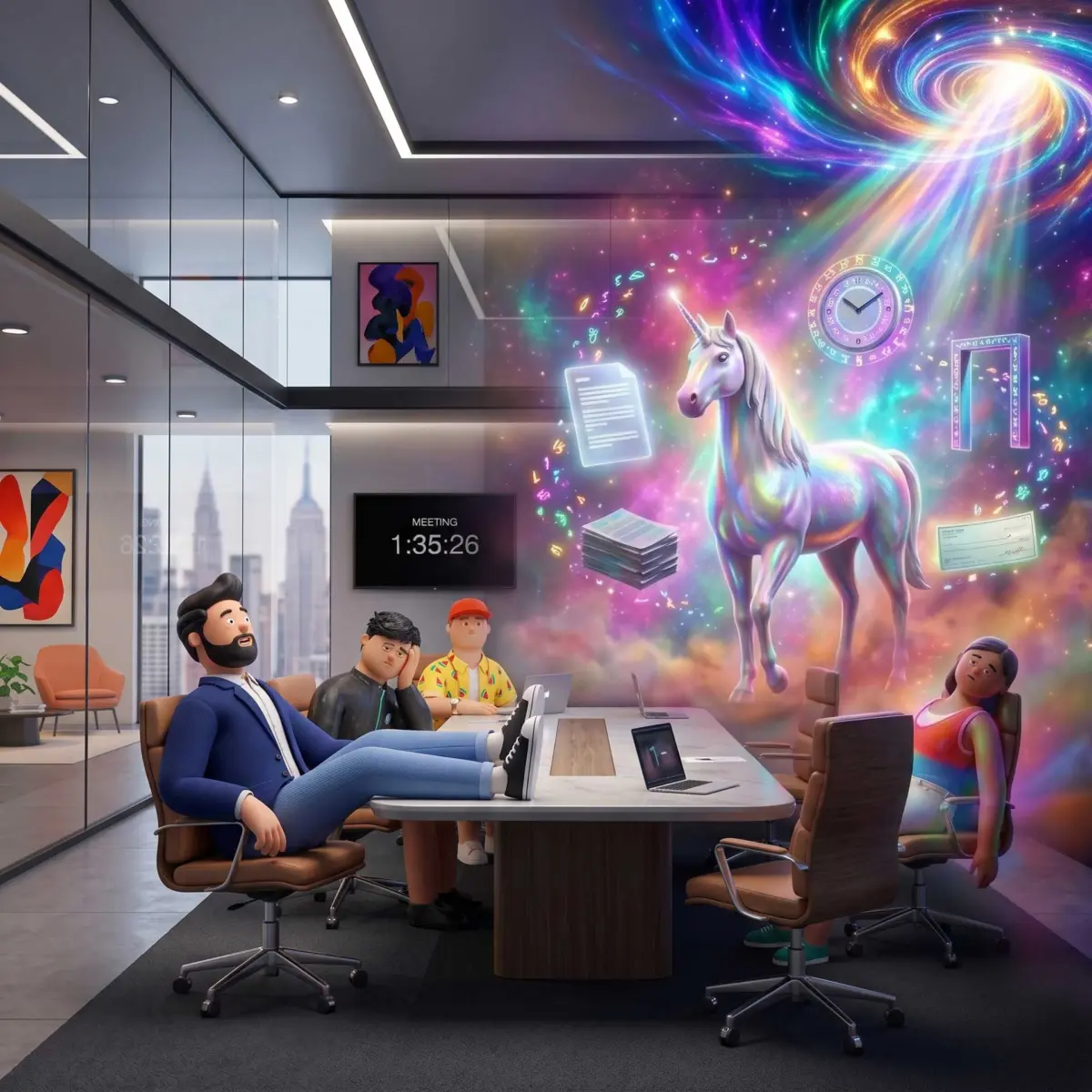
In the latest installment of his ongoing Stash magazine editorial series, Nerdo Executive Creative Director Claus Cibils turns his critical eye toward one of the most persistent and precarious challenges in the commercial design and production industries: intellectual property rights during the creative pitching process. Titled "The Creative Code of Arms: Code 008 — Protect Ya Neck," the new chapter examines the vulnerable position creators find themselves in when they share their best concepts, visual languages, and treatments with prospective clients, only to walk away empty-handed—sometimes to watch their rejected ideas resurface elsewhere down the line.
The discussion touches on a universal anxiety within creative circles. Cibils recalls an old music-industry trick from earlier days, where artists would print out their recorded demos, seal them in an envelope, and mail them to themselves via certified mail to secure a permanent, timestamped record of ownership before releasing the work into the public sphere. While such measures might lean toward paranoia, they stem from a very real and rational fear that haunts nearly every pitch meeting.
When a studio or director steps into a pitch room, they are expected to deliver their absolute best thinking. They present the core concept, the structural treatment, the overarching visual language, and a unique way into solving the client’s problem. Months later, after learning they did not secure the project, creators often experience that familiar, sinking feeling while browsing media channels and spotting something that looks just a little too familiar.
As Cibils points out, the situation is rarely a blatant, identical copyright infringement that warrants an immediate lawsuit. Instead, it occupies a murky gray area. The final product might not have been directed by the studio, and the studio’s specific team did not produce it, but the core essence remains uncomfortably close. It is, as he describes it, "a different haircut on the same dog."
This ambiguity arises because creative work is inherently collaborative and cumulative, built on a foundation of outside influences, borrowed ideas, references, artistic collision, and constant mutation. Creators are frequently encouraged to "steal like an artist" to forge something entirely new. In the high-pressure environment of competitive pitching, creative teams are often given the exact same brief, facing identical audience parameters and temporal constraints. Naturally, separate teams may occasionally arrive at ideas that rhyme.
According to Cibils, that natural creative overlap is not the true problem. The real issue lies in deliberate copying, utilizing unselected parts, fishing through rejected proposals, and ultimately executing those concepts with another collaborator. That cross-pollination without permission or compensation is, simply put, entirely unacceptable.

To combat this vulnerability, protection must be established well before any sensitive creative material is exposed to the room. This is where the Mutual Non-Disclosure Agreement, or MNDA, plays a vital role. While traditional, one-way non-disclosure agreements primarily protect the client’s brief and proprietary business secrets, an MNDA is designed to safeguard the entire exchange of value between all participating parties.
In a standard creative pitch, information flows in multiple directions, and the value generated should be equally protected. Business information—such as internal strategies, budgets, timelines, product specifics, and sensitive corporate data—routinely receives strict confidentiality. However, creative business information requires the exact same level of respect. This encompasses the proposal, treatment, script, production approach, and specific visual development tailored for the presentation.
A shared proposal should never quietly transition into free usage rights simply because a pitch was submitted and reviewed. Unselected creative concepts are not spare parts, nor should they be treated as free research or an open idea bank for future internal campaigns. Merely reviewing a proposal does not confer ownership, gaining temporary access is not permission to use the work, and the evaluation phase is certainly not a clandestine transfer of intellectual property rights.
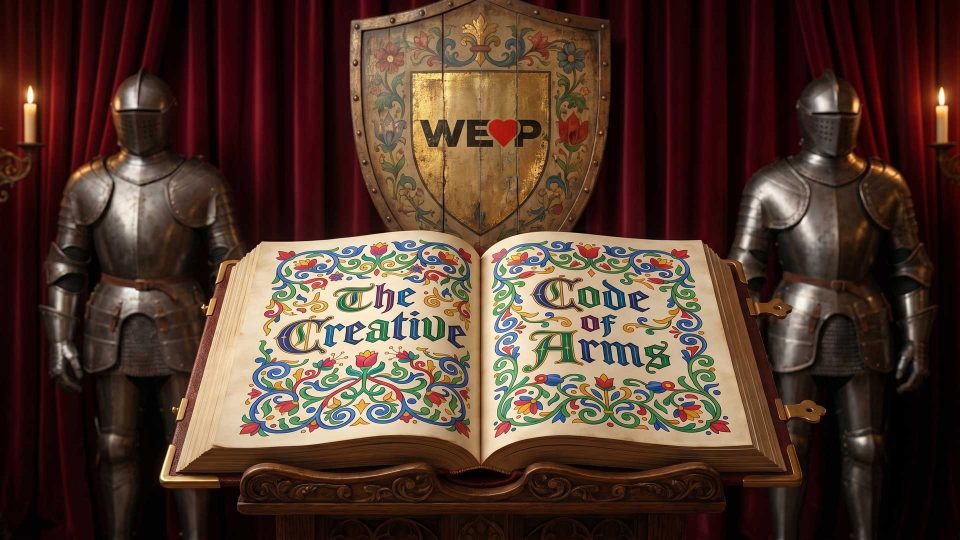
Of course, the dynamic changes when a pitch is explicitly commissioned and paid for. In specific sectors, such as television branding and certain commercial arenas, pitch content may indeed be developed for sale. Cibils notes that there is nothing inherently wrong with selling creative work, nor is there any issue with clients purchasing those concepts, provided it happens for the right price and under the right conditions.
Yet, for many independent studios and creators, navigating these waters often feels like an unequal battle of David versus Goliath. When a larger entity ultimately moves forward with a contested treatment, individual creators frequently wonder what practical recourse they actually possess.
The cultural shift begins when the creative community collectively normalizes asking for and sharing MNDAs as a standard operating procedure. When mutual protection ceases to be viewed as an awkward exception and becomes an expected part of the pitch protocol, the entire industry landscape changes. A simple request gradually evolves into an industry-wide expectation, which hardens into a habit that ultimately reshapes professional culture.
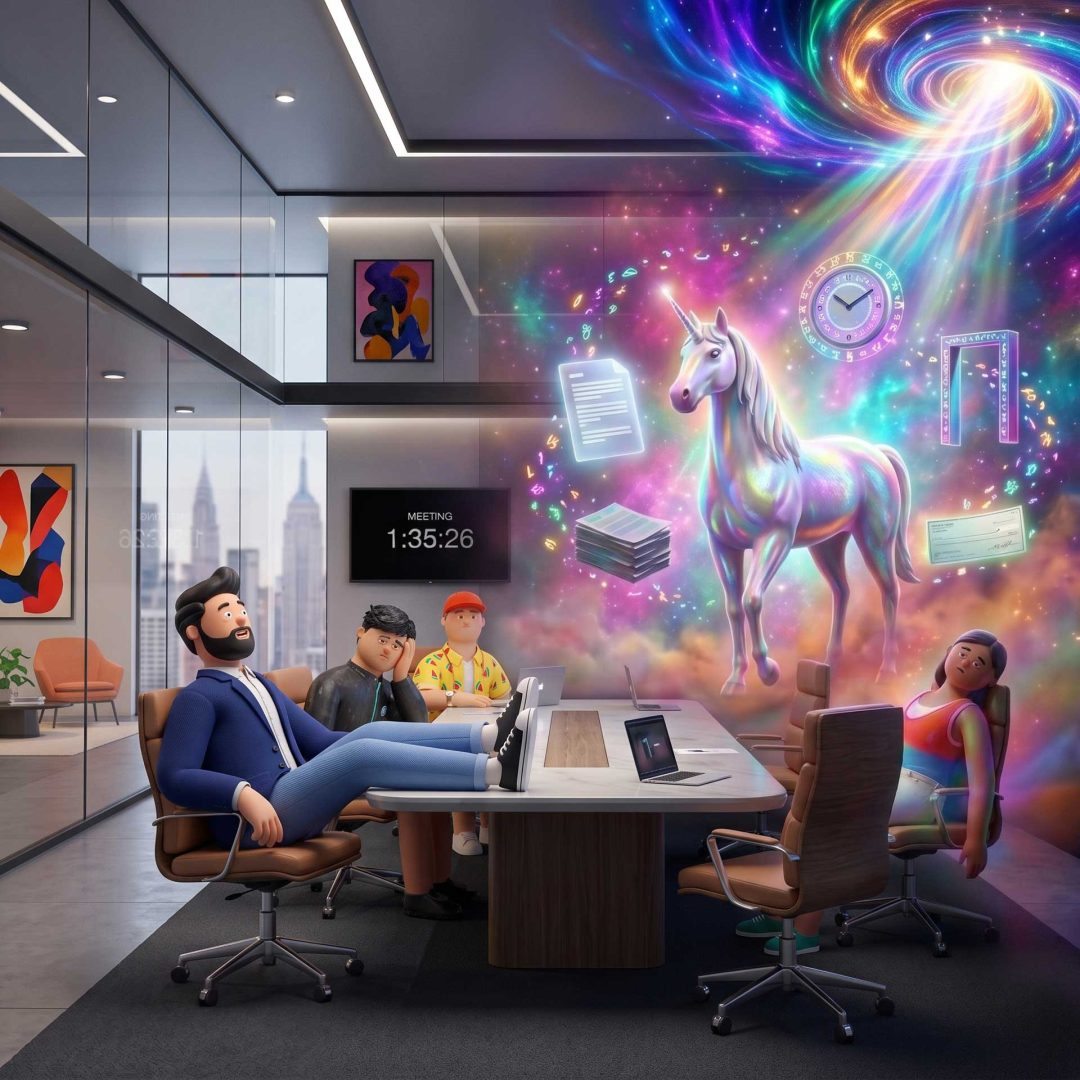
Under the framework of the Creative Code, an MNDA should explicitly define several critical boundaries before any pitch material changes hands. It must outline who is granted access to the proposal, establish clear rules for how, what, and when the content can be utilized, and explicitly state who retains ownership of the proposal both before and after the pitch takes place. Furthermore, agreements should clarify whether any attached payment merely covers participation costs or actually purchases the underlying rights to the material. They must also dictate how submitted assets are retained, deleted, or archived following the decision, and what official record of both submitted and selected work remains once an award is announced.
Ultimately, the message centers on safeguarding information, protecting creative proposals, and recognizing the distinct legal and ethical boundary between viewing a creative concept, paying for participation, and outright purchasing the intellectual property. An invitation to showcase an idea must never be mistaken for a license to use it, and losing a competitive pitch should never mean losing ownership of the idea itself.