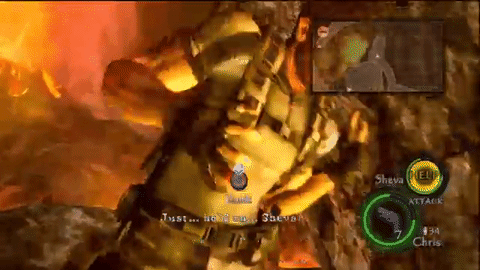
When speaking with Naoki Hamaguchi, the director of Final Fantasy VII Revelation, one quickly realizes he possesses a rare degree of openness rarely found among interviewees working within major video game publishers. Ahead of his discussions on the final chapter of Square Enix’s massive remake trilogy, a wealth of granular details can be found scattered across various media sources. Everything from technical insights into why Vincent Valentine features a unique skydiving animation to his candid defense of the sheer volume of minigames integrated into the experience highlights a creator deeply engaged with his work. Hamaguchi and his team have constructed a monumental gaming experience over the past decade, and he clearly enjoys discussing the sweeping vision that ties it all together.
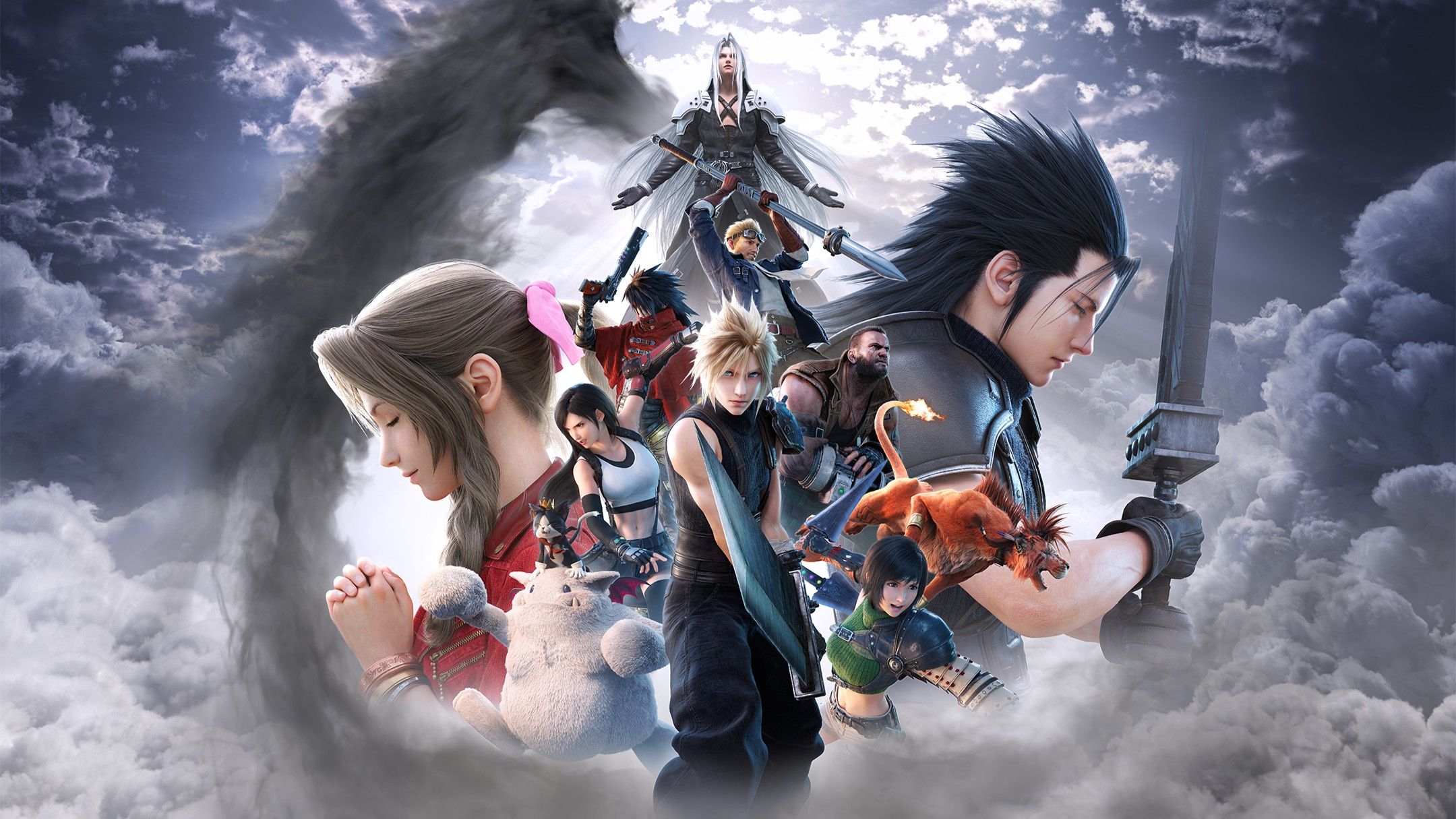
Set to launch on April 8, Revelation picks up as the series’ iconic antagonist, Sephiroth, summons the destructive cosmic spell Meteor toward the planet with the intention of eradicating it entirely. Cloud, Barret, Tifa, and the rest of the party stand in his way, while the planet itself begins to fight back in the form of the Weapons—colossal, kaiju-sized entities that emerge from an enormous crater to unleash chaos across both land and sea. The narrative events depicted in Revelation cover roughly the final third of the original 1997 PlayStation classic, bringing the overarching modern reimagining to its climactic conclusion.
This upcoming release marks the third entry in a series of remakes defined in many ways by their extraordinary, cutting-edge production values. This overarching design philosophy prompts a broader question about the industry at large: whether the Final Fantasy VII Remake trilogy could potentially offer a more sustainable blueprint or model for building blockbuster video games in the future.
"So I can’t say whether in the future anyone else will decide that they’re going to take a famous old game and remake it as a multi-part series, but regardless, I do think that this has left quite a lot of interesting knowledge as a case study," Hamaguchi says through a translator. He explains that his core development team has now worked together continuously for a span of 10 to 12 years.
"I think that this project has contributed hugely to Square Enix, not only in terms of the business as a successful game, but also in building this team that I can trust. But whether this becomes a model case or a template is, I think, a bit of a difficult question, because it becomes a question of whether or not other teams can recreate that."
Maintaining consistent leadership at the very top of the hierarchy has also proven vital to shaping the final product into what players experience.
"For example, I have been able to stay on for the whole project as the series director because I’m extremely motivated. I’ve been more than happy to pour all of my energy into this project, but there might be some people out there who are like, ‘Well, I’ve done the first installment in this, and I’m done, I’d like to do something different.’ And so if then the top person were to change, that can really change the trajectory of a project, the style of a project, even some of the themes that it’s dealing with might be impacted by that," Hamaguchi notes.
It is evident that the three Final Fantasy VII Remake titles are the direct result of a steady leadership team sharing a unified creative vision. Even if an external developer could successfully convince a publisher to greenlight three massive AAA games simultaneously, replicating that kind of long-term consistency remains an immense challenge.
"Requiring a stable development environment for 10+ years is incredibly difficult," Hamaguchi emphasizes. "I really do mean this: even though I’ve obviously been in the leadership position, I’ve had my own skills to lean on and to lead this, it’s because the same team has stuck with me that whole time that we’ve been able to achieve what we have."
Third Time’s the Charm
It is undeniable that Final Fantasy VII Revelation achieves the vast scale and scope it does precisely because it represents Square Enix’s third major iteration within this specific framework. The game features an expanded world map incorporating both newly designed environments and familiar classic locations, a growing roster of combatants who each command a diverse suite of abilities, an abundance of minigames, and the FITS job system, which confers additional tactical proficiencies upon existing party members.
As a project, it is gloriously ostentatious—or occasionally overstuffed, depending on the perspective of critics who evaluated Rebirth upon its recent release. While some players find the sheer density of content tests their patience, others appreciate how unashamedly massive and generous these modern installments strive to be.
This polarizing reception may stem in part from shifting player demographics and available free time. For veterans who experienced the peak of their Final Fantasy fandom as teenagers in the late 1990s, devouring hundreds of hours of content was effortless, whereas modern scheduling constraints present a different dynamic. When asked about pacing and how Rebirth compares directly to Revelation in that regard, Hamaguchi offers reassurance.
"Obviously, Rebirth has this world map with so much content, so much to explore, but if you just do the story, then what you’ll find is that the pacing is extremely similar and the structure is extremely similar to the tight, story-driven experience of Remake," Hamaguchi explains. "And we’ve essentially kept the approach the same for Revelation in terms of pacing."
Players can expect a familiar structural philosophy, though one major narrative shift alters the emotional weight of exploration. Unlike previous chapters, the immediate presence of Meteor looming in the upper atmosphere introduces an existential timer, potentially changing how players perceive the urgency of traversing the open world.
However, Hamaguchi and his writing team anticipated these fan concerns well in advance. "So, you’ve got Meteor up there in the sky, and in the main story, obviously, you’re going to have that time pressure, that sense that you really need to be getting on with things because there’s this looming, impending threat," he says. "I’ve seen people concerned that all the side content may detract from that sense of urgency."
"But we have been really careful about how that’s approached, and obviously that’s something that [Kazuhige] Nojima has really been keeping in mind when writing the scenario. Obviously Cloud and all of the main characters are heading towards this final confrontation and they’re very aware of that, but that means that they’re also trying to find and discover their own motivations to make sure that they are certain of what they’re doing, to find a reason to move forward."
"So it’s not that you’re just rushing into this final battle. They’re saying, ‘Well, if this is the end, then let’s do what we want to do, let’s do what feels right for us along the way.’"
Consequently, activities like Queen’s Blood matches and various whimsical side distractions remain fully accessible, ensuring that players can still pursue optional diversions even as the planet faces imminent catastrophe.
Weapons-Grade Scale
One of the more surprising aspects of the project has been the sheer volume of content Square Enix has chosen to showcase during the marketing campaign, including elements that were once considered closely guarded secrets of the original game.
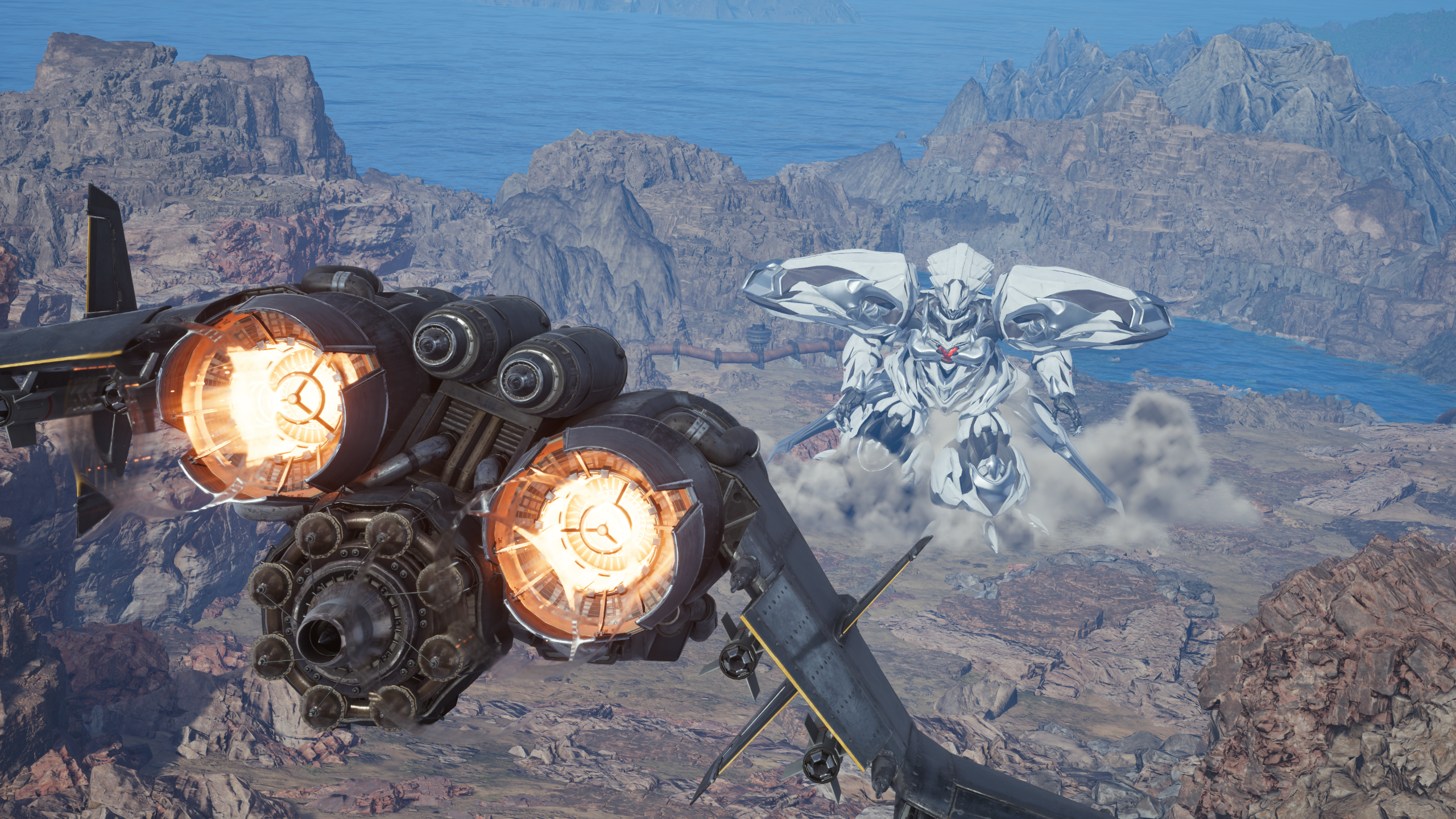
While revealing the playable Highwind airship and its mechanics for navigating the open world felt like a natural crowd-pleaser, putting the titanic Weapon bosses front and center during promotional events like Gamescom surprised many long-time fans who remembered them as elusive, mythic encounters from the 1997 release. When asked if he had any reservations about displaying their daunting scale so openly, Hamaguchi points to a deliberate shift in marketing strategy.
"First of all, I am glad to hear that it was a surprise that we would showcase the Weapons," Hamaguchi says, noting that the promotional cycles for the previous two installments focused heavily on character introductions, whereas Revelation leans into core gameplay and high-stakes encounters.
Hamaguchi remains committed to ensuring that the scope and challenge of the Weapons in Revelation match the imposing legacy they left in players’ memories.
"In terms of how strong and how difficult the Weapons are going to be, as with the original, some of the Weapons are going to be part of the main story, and some of them are side content," he details. "And whether they’re ones in the main story or side content, they have a lot of unique mechanics and interactive elements; some of them even have minigames in, and are quite strategic in that same way as well."
"In terms of the difficulty, obviously those that are part of the main story need to be defeatable by most players, so I would say the difficulty there is somewhat lower. For those that are part of side content, I would say those are hard, and you’re probably going to need to be a higher level than you would have been to complete the game to take those on."
Discussions regarding the original game’s enduring legacy also touch upon specific characters, such as Cid Highwind. While Final Fantasy VII Rebirth offered players a brief introduction to the complex, self-loathing pilot whose space exploration dreams were thwarted, Revelation promises to faithfully explore his backstory in greater depth. Although the narrative ordering of certain events has shifted, the emotional core remains intact.
"Revelation does pay tribute to the original with everything that’s going on in Rocket Town, including that mission from Shinra to launch the rocket, exploring the relationship between Cid and Shera, and that experience of going to space and space travel," Hamaguchi says. "We really think that it’ll allow players to explore Cid’s internal world a little bit more."
Rocket Town itself serves as a significantly expanded setting in Revelation, requiring specialized modes of transportation. "There was a buggy in Rebirth, of course, but this time you will be driving around in Cid’s car. And you can put some background music on in the car if you like, and who knows, maybe if you do some more side content you might unlock some more tracks for his car and things like that, so there’s plenty to explore."
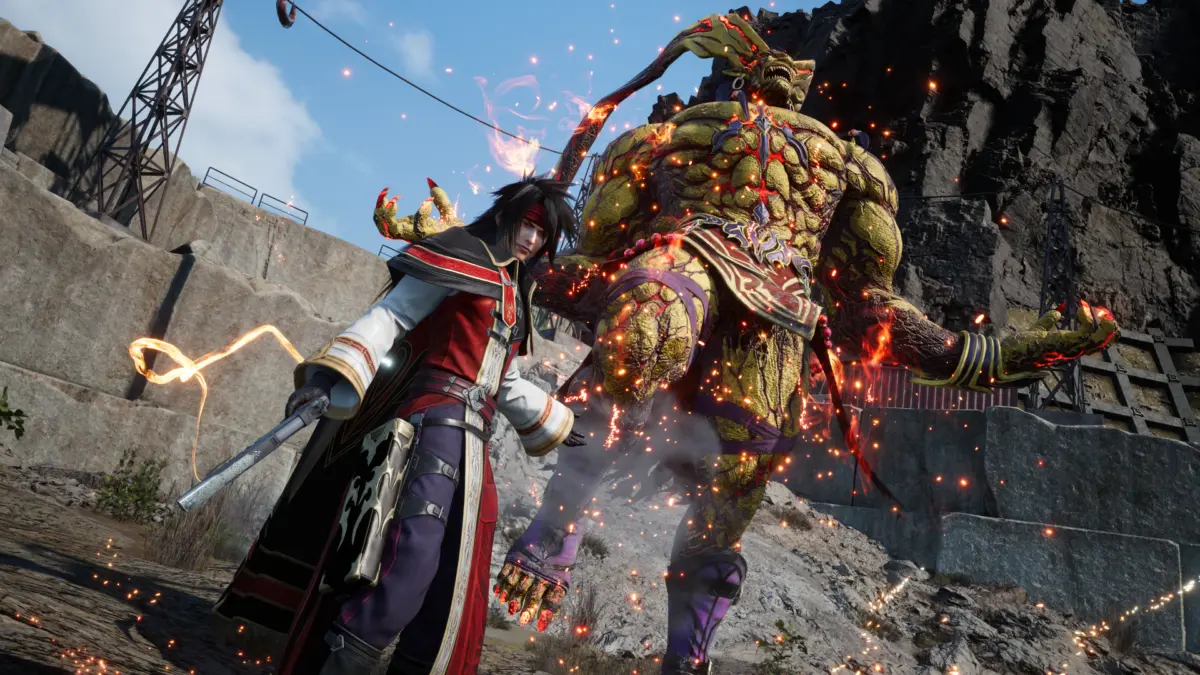
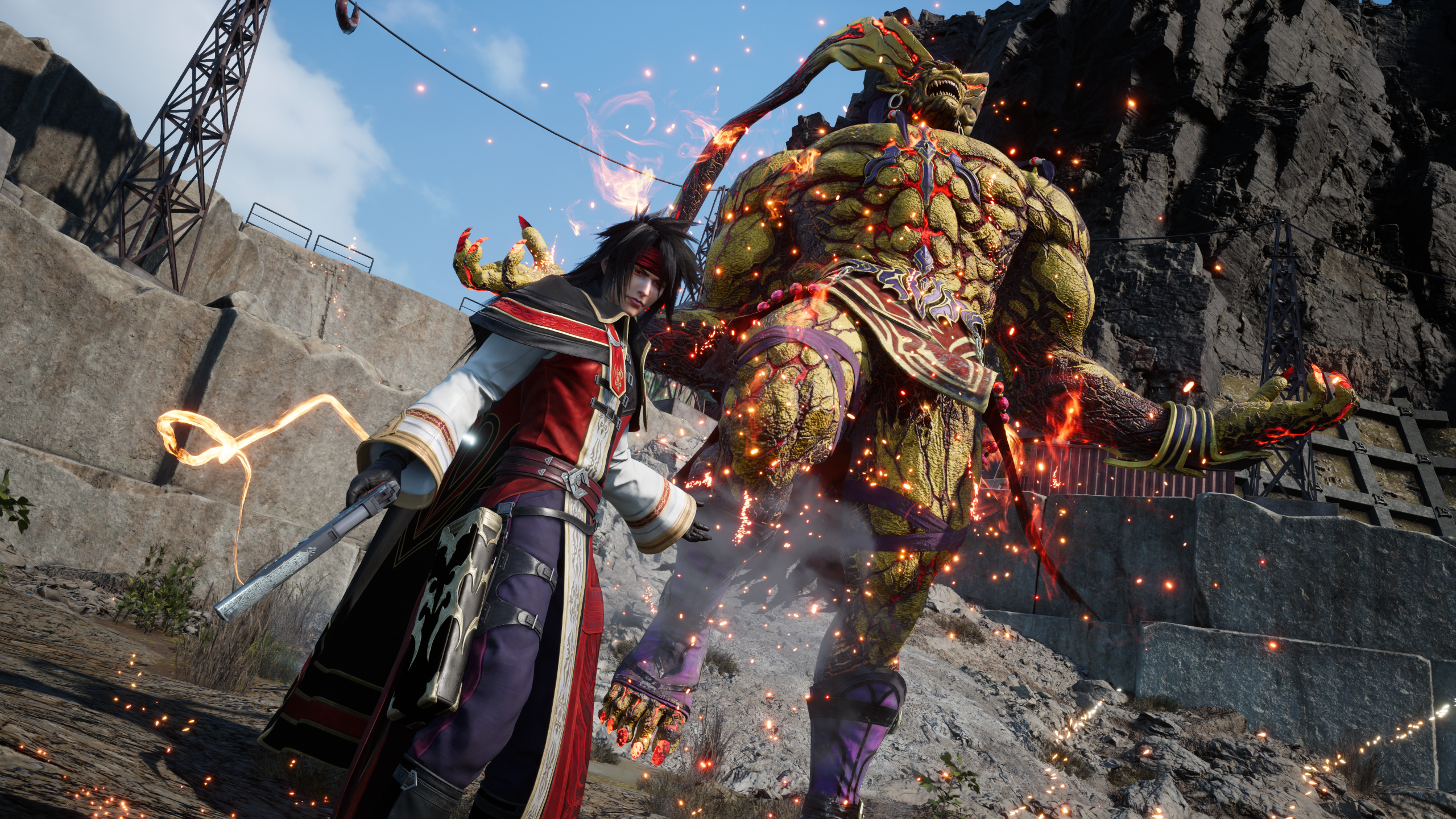
When asked which characters receive the most substantial narrative expansion compared to the 1997 original—given the dozens of hours players have already spent with the ensemble cast—Hamaguchi highlights two specific names. "In terms of extra depth and exploration, I think particularly with Revelation, the characters that we’ve really been able to explore in more detail, in more depth, are Yuffie and Vincent. Because in the original, Yuffie and Vincent were both optional characters, they weren’t able to be so intricately tied into the main story."
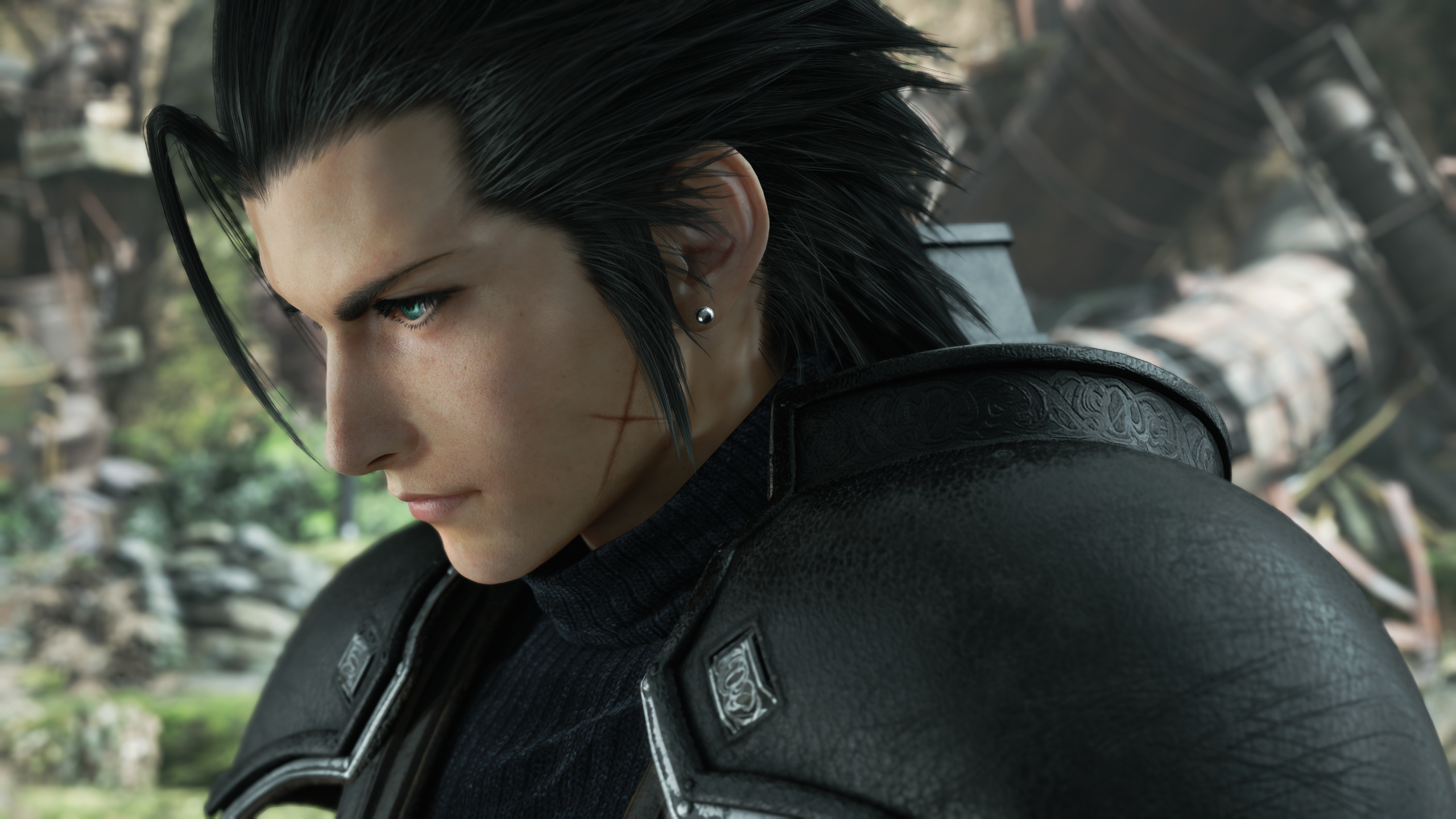
Hamaguchi has also consistently expressed enthusiasm for incorporating elements from the broader Compilation of Final Fantasy VII expanded universe. This includes Zack Fair, a flashback character from the original game whose popularity grew significantly following the release of the PSP prequel Crisis Core. Hamaguchi attributes this integration directly to persistent fan enthusiasm.
"In Revelation, there are more playable sections with Zack, and they are more extensive than those in Rebirth," Hamaguchi notes. "He’ll actually be playable in battle with his own combat system that’s unique to him, and there will be room for growth in a skill tree kind of way. It’s very closely tied into the story experience, so it’s on a much larger scale than what you’ve seen before, which I think will hopefully make Zack fans happy, and his sections, let’s just say they are full of surprises."
Regarding the series’ primary antagonist, Sephiroth—whose early and frequent appearances in Remake diverged from his slow-burn introduction in the original—the team faces the challenge of topping the multi-phase spectacle seen at the climax of Rebirth.
"First let me just say that we haven’t said whether there will be a dramatic showdown with Sephiroth in this third of the series," Hamaguchi laughs. "However, if there wasn’t a dramatic showdown with Sephiroth, I do think the fans would be angry, so there will be one!"
While withholding specific spoilers, Hamaguchi drops subtle hints regarding the scale of the finale, including a nod to Cloud’s legendary ultimate Limit Break attack. "What I can say is that it’s going to be a very extravagant, all-out battle that will far and above surpass what was in Remake and Rebirth in what I believe will be a very satisfying encounter. I know there are a lot of people out there who are looking forward to seeing the ultimate limit break at the end of the battle with Sephiroth."
"Obviously we are putting in plenty of homages to the original, including to things like that limit break. We have crammed it full of everything that we can," Hamaguchi concludes.