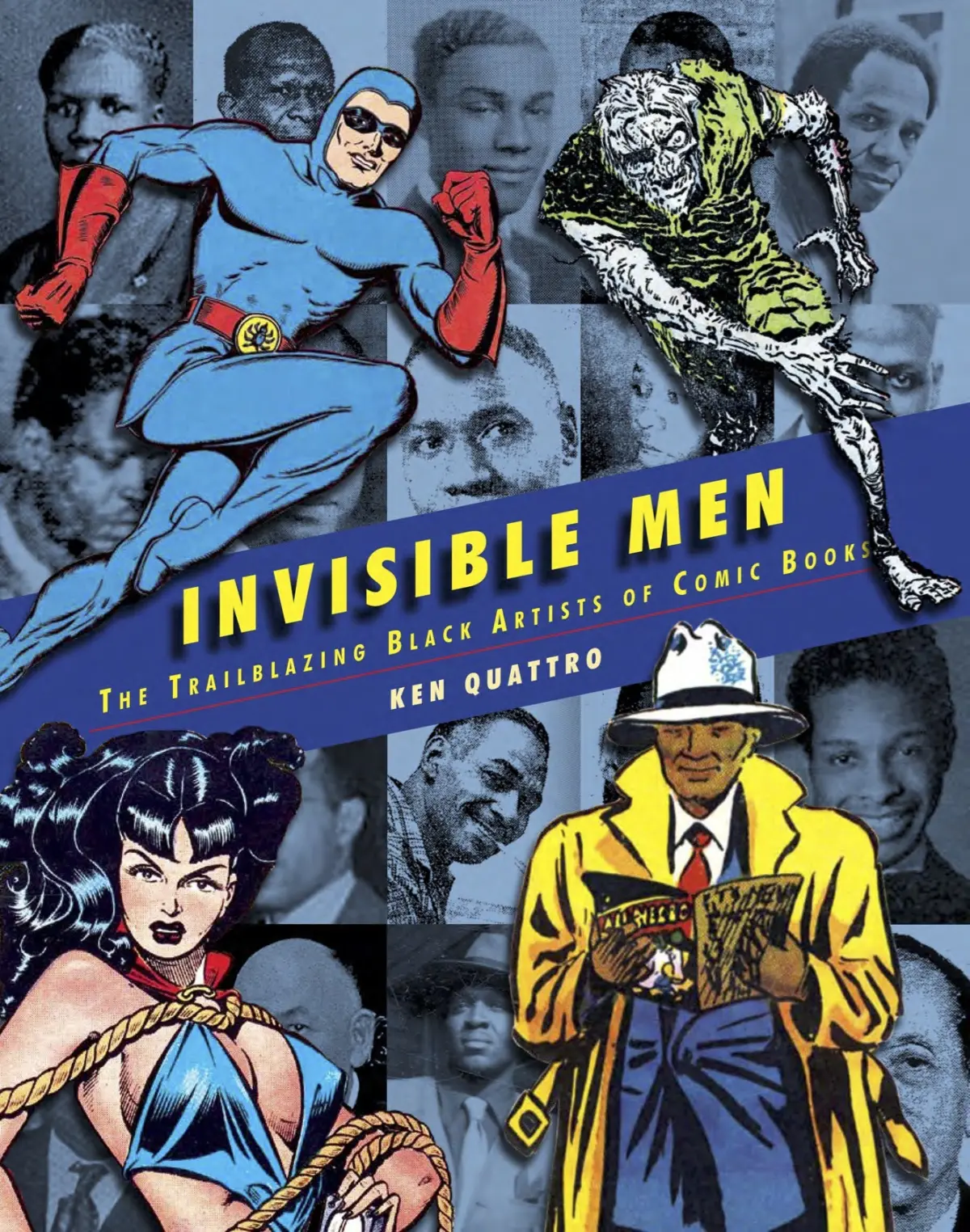
The Golden Age of comic books, spanning approximately from 1938 to 1956, is widely recognized as a foundational and exhilarating era for the medium. During these decades, many iconic characters that continue to battle villains in modern pop culture were brought to life through the strokes of brilliant illustrators. While the broader artistic history of this period has been meticulously documented by historians, journalists, and passionate fans, a significant segment of creators has largely remained in the shadows. Author and researcher Ken Quattro has set out to correct this historical oversight, introducing these pioneering creators to a broader audience in his landmark book, Invisible Men: The Trailblazing Black Artists of Comic Books, published by Yoe Books, an imprint of IDW.

Borrowing thematic elements and pluralizing the title from Ralph Ellison’s iconic 1952 novel addressing race, class, and social alienation, Quattro’s work sheds light on 18 crucial Black comic book artists from the Golden Age. For more than fifteen years, Quattro—a trained journalist and accomplished writer—pursued the intricate stories of these creators. His journey began unexpectedly following a brief conversation with the acclaimed Black comic artist Matt Baker. That single exchange initiated a decade-and-a-half-long archival investigation that ultimately unearthed the remarkable contributions of Black artists who went unrecognized, uncredited, and largely forgotten by mainstream comic history for nearly a century.
To understand the working conditions these artists faced, Quattro examined the unique industrial ecosystem of the era. The booming popularity of the medium created an insatiable demand for content, prompting publishers to establish entities known within the industry as "comic shops." These establishments operated much like assembly lines or factories. Publishers would contract these shops to generate entire comic books, leading studio managers to herd artists into rooms equipped with drawing tables with the expectation of turning out a complete 64-page comic book within a staggering timeframe of just two days.
However, the structural realities of segregation and racial discrimination meant that Black artists experienced this industrial process under profoundly different conditions. While white artists frequently worked collaboratively in shared studio spaces, Black creators were largely excluded from these environments. Instead, they were required to work from home. According to Quattro, a Black artist could rarely walk directly into a publisher’s office and secure a freelance assignment on their own merits. By working through intermediary comic shops, however, they could acquire assignments, take the work home, complete the illustrations within tight deadlines, and return the finished pages without directly confronting the segregated office spaces of the major publishing houses.
The professional backgrounds of these creators often defied contemporary stereotypes and expectations. While some were self-taught talents who honed their craft through sheer dedication, a surprising number possessed formal, classical training in the fine arts. This created a profound irony within a stratified society: men who were highly accomplished artists, respected in certain cultural circles, were treated as practically inconsequential in others.
Among the notable examples highlighted in Quattro’s research is Elton Fox, who was born in Baltimore in 1909 and earned his fine arts degree from Syracuse University in 1931. Similarly, E.C. Stoner, the artistic talent behind the Blue Beetle, received classical training at the prestigious Académie Julian in Paris, France. Another prominent figure is Alvin Hollingsworth, whose career stands out as a shining example of a fine artist who successfully paid the bills by drawing commercial comics while simultaneously producing fine art that remains highly sought after in both the comic book collecting community and the broader fine art market.
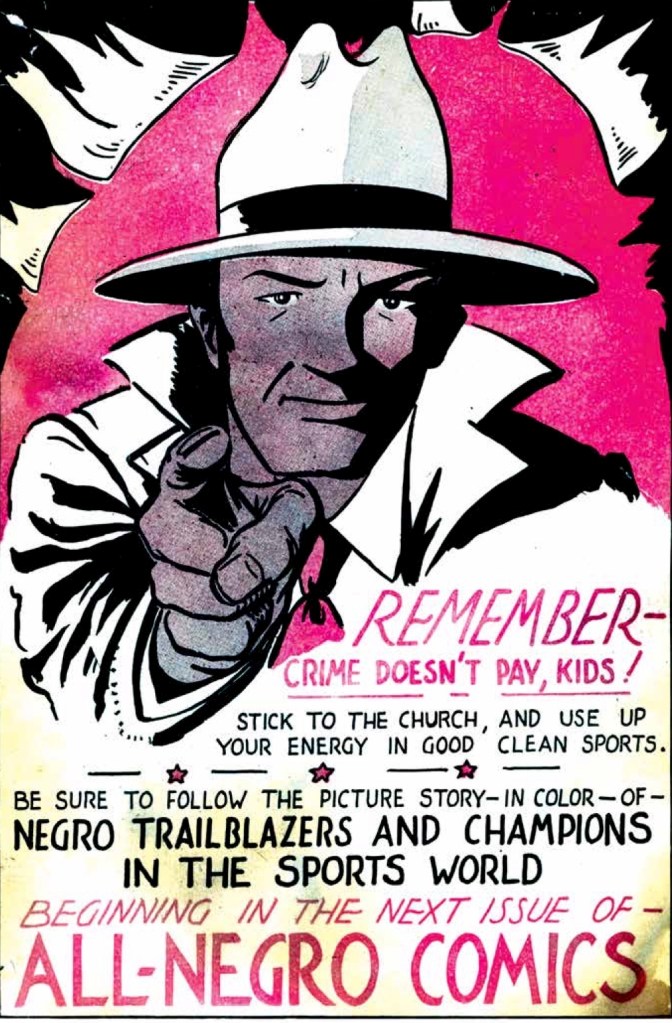
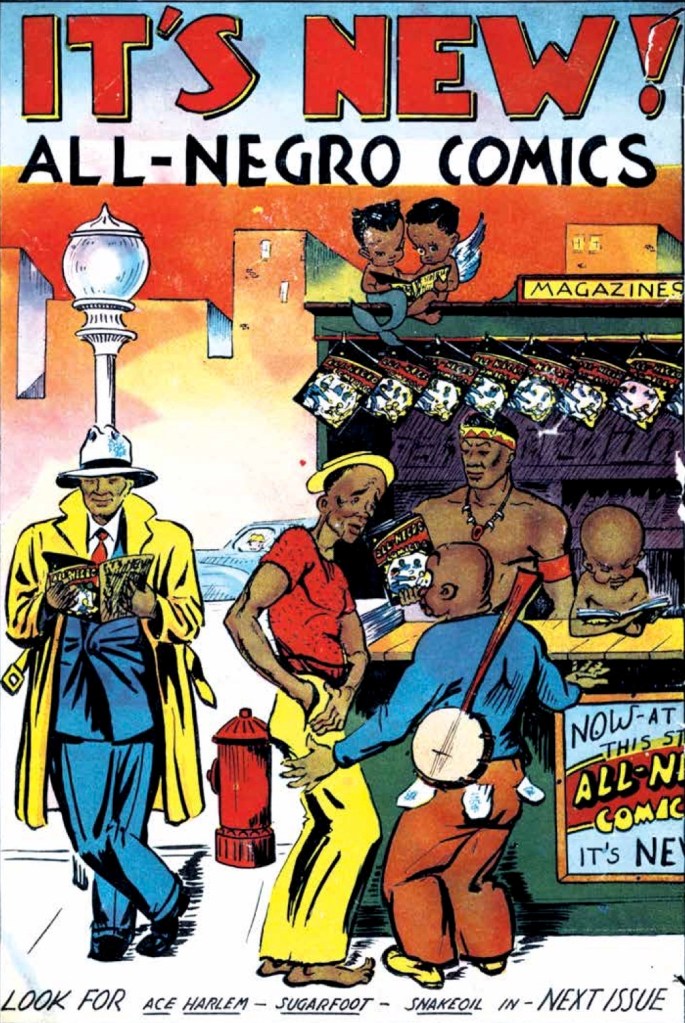
During the Golden Age, nearly all mainstream comic book publishers were owned and operated by white executives. A notable and historically significant exception was All-Negro Comics, an ambitious venture launched in 1947 by journalist, artist, and publisher Orrin Cromwell Evans. Despite its cultural significance, the publication had an extremely brief lifespan due to systemic economic barriers. As Quattro points out, when Evans attempted to secure materials to publish the second issue, white paper suppliers refused to sell him the necessary paper stock, effectively halting the enterprise. Today, an original surviving copy of the first and only issue of All-Negro Comics commands tens of thousands of dollars among high-end collectors, regardless of its condition.
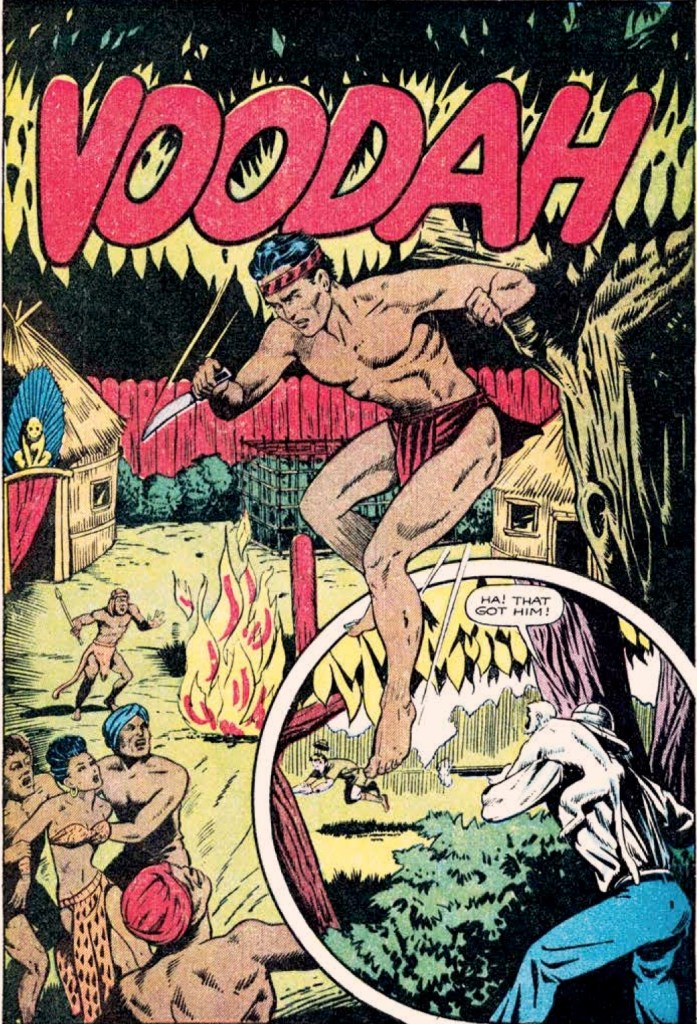
Quattro’s research also prompts a reexamination of conventional comic book history regarding representation and milestones. It is a common assumption among many modern fans that the first Black comic book superhero debuted with the appearance of Marvel’s Black Panther in 1969. However, Quattro points to earlier precedents, such as the character "Voodah," created by Matt Baker for Crown Comics in 1945. Voodah was conceptualized as a Black hero operating in a jungle adventure format. Yet, the realities of the American marketplace dictated how the character was presented to the public. While Voodah was clearly depicted as Black on the interior story pages, the publishers altered his appearance on the covers, coloring him white. This editorial decision was driven by commercial censorship; publishers knew that comic books portraying a Black character in a heroic, positive light would face boycotts and distribution bans across newsstands in the American South.
Although these pioneering figures may never become household names, their body of work grants them an undeniable place alongside the legendary creators of the Golden Age. The roster of talent uncovered by Quattro includes figures such as Ezra Clyde Jackson, whose daughter later became a member of the U.S. Congress, and Owen Middleton, who rebuilt his life and found a sustainable creative career in comic books after serving a life sentence in prison. The history also encompasses Orrin C. Evans, who dared to establish the first independent Black comic book publishing company, and E.C. Stoner, a primary artistic voice of the Harlem Renaissance who lent his exceptional talent to the adventures of the iconic, Nazi-punching Blue Beetle.
Invisible Men: The Trailblazing Black Artists of Comic Books is widely available through major retailers, including Amazon. However, Quattro encourages enthusiasts to seek out the book at their local independent comic book shops, suggesting that readers take the opportunity to explore and purchase works by Black comic creators while browsing. Further information regarding Ken Quattro and his ongoing historical investigations through his "Comics Detective" project can be found on his official website.